Is Your Well Water Safe to Drink? Testing Costs, Common Contaminants and What to Check
Private well water may look clear, taste fresh, and seem perfectly clean, but appearance alone cannot tell you whether it is safe to drink. Bacteria, nitrates, arsenic, lead, and other contaminants can exist without producing noticeable changes in the water. For homeowners who rely on private wells, regular testing is one of the most important ways to protect household health. This guide explains typical well water testing costs, common contaminants, recommended tests, and the warning signs that indicate when additional testing may be necessary.
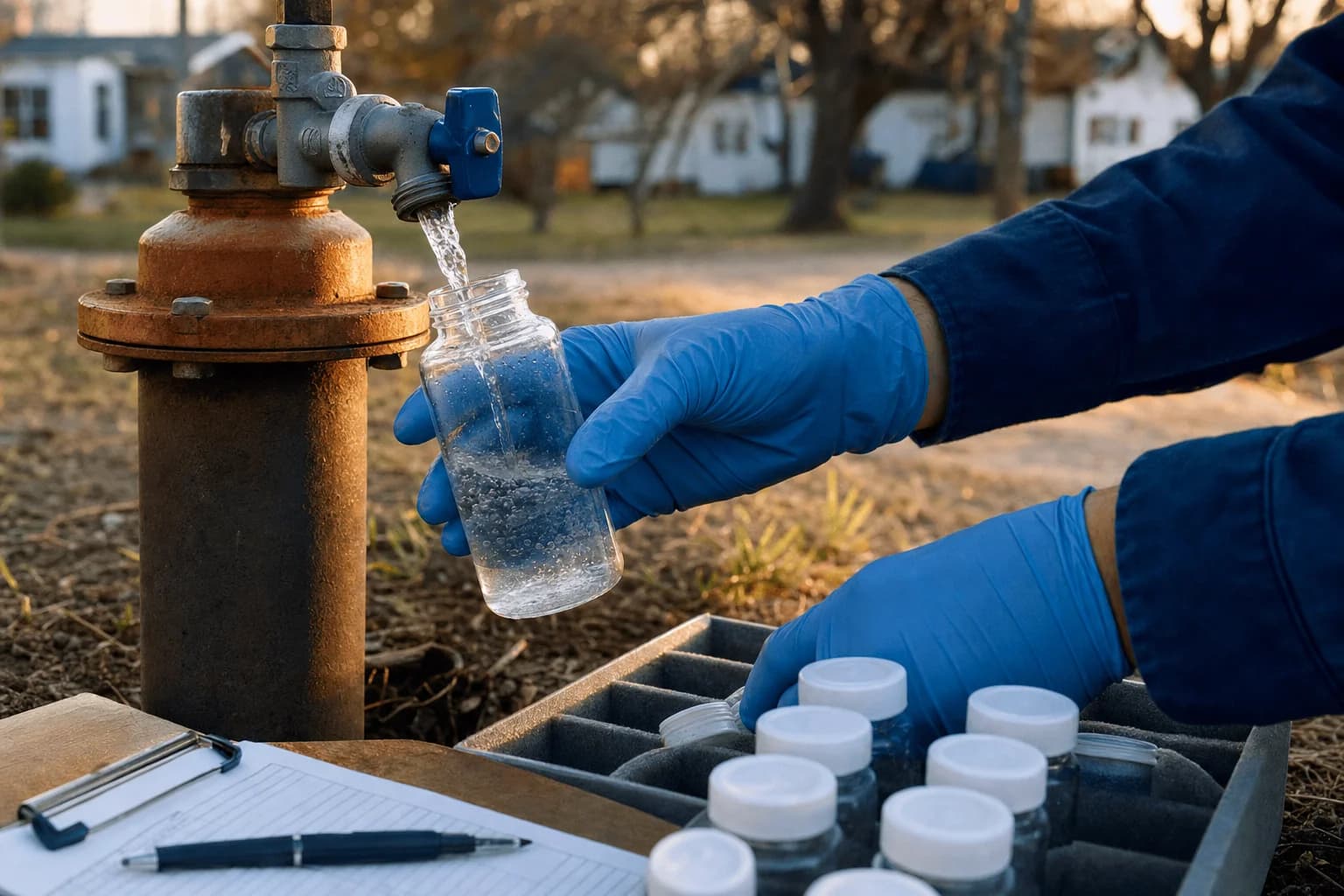
1. Is Private Well Water Safe to Drink?
Private well water can be safe to drink, but its quality depends on the groundwater source, well construction, surrounding environment, and maintenance.
Unlike public water systems, private household wells are generally not covered by the federal Safe Drinking Water Act. This means homeowners are responsible for monitoring their water quality and arranging appropriate testing.
The CDC reports that approximately one in eight U.S. residents gets drinking water from a private well. Its 2026 public health information also notes that about one in five sampled private wells had at least one chemical contaminant at levels that could affect health.
Even if your water has no unusual smell, color, or taste, testing is still necessary. Some harmful substances cannot be detected through sight, smell, or taste.
2. How Much Does Well Water Testing Cost?
Well water testing costs depend on the contaminants being analyzed, the laboratory, and whether you collect the sample yourself.
Typical U.S. price ranges include:
These are general budgeting estimates rather than standardized national prices. Actual laboratory fees vary by location and test method.
What Affects the Final Price?
Several factors can increase the total cost:
- Number of contaminants: A test for bacteria alone costs less than a panel covering metals, pesticides, and industrial chemicals.
- Laboratory location: State, university, county, and private laboratories may charge different prices.
- Sample collection: Professional collection may involve an additional service fee.
- Shipping: Mail-in testing kits may require return shipping or special handling.
- Follow-up testing: A suspicious or positive result may require confirmation.
Before ordering, request a detailed price list and confirm exactly which contaminants are included.
3. Common Well Water Contaminants You Should Know About
Different contaminants enter groundwater through natural geological processes, agricultural activity, plumbing systems, and industrial pollution.
Understanding the most common risks can help you choose the right tests.
Bacteria and E. coli
Bacteria can enter private wells through damaged well casings, flooding, septic system failures, or animal waste.
Total coliform bacteria are commonly used as indicators of possible contamination. A positive E. coli result is particularly concerning because it can indicate fecal contamination.
Possible warning signs include gastrointestinal illness, but contaminated water may not produce any obvious changes in appearance or taste.
Nitrates and Nitrites
Nitrates can enter groundwater through:
- Agricultural fertilizers
- Animal manure
- Septic systems
- Wastewater
- Contaminated surface runoff
High nitrate levels are especially dangerous for infants because they can interfere with the blood's ability to carry oxygen.
Households with babies should take nitrate testing seriously and follow public health guidance if elevated levels are detected.
Arsenic
Arsenic can occur naturally in groundwater depending on the surrounding rock and soil.
Long-term exposure to elevated arsenic levels through drinking water can increase the risk of serious health problems. Because arsenic has no reliable taste or smell, laboratory testing is necessary.
Lead
Lead may enter drinking water through plumbing materials, pipes, solder, or fixtures.
It is particularly concerning for children because exposure can affect brain and nervous system development. Testing at the tap may be necessary because water quality can change as it passes through household plumbing.
CDC+1
Pesticides and Industrial Chemicals
Agricultural and industrial activities can introduce chemicals into groundwater.
Depending on local conditions, testing may include:
- Pesticides and herbicides
- Volatile organic compounds (VOCs)
- Benzene
- Industrial solvents
- Petroleum-related chemicals
- PFAS
These specialized tests can be more expensive, so local contamination information is useful when deciding which analyses to order.
Iron, Manganese, and Other Minerals
Iron and manganese can occur naturally in groundwater.
They may cause rusty or dark stains, metallic tastes, discoloration, and deposits in plumbing fixtures. These substances can affect water quality even when they are not the primary health concern.
4. What Should You Test for in Your Well Water?
The CDC recommends that private well owners test their water at least once a year for four important indicators:
The CDC also recommends consulting your local health department to identify additional contaminants that may be common in your area.
CDC+1
Depending on your location and property, you may also need to test for arsenic, lead, mercury, radium, uranium, pesticides, or VOCs.
There is no single test that confirms water is free from every possible contaminant. Each laboratory analysis only identifies the substances included in the requested testing package.
5. Warning Signs That Your Well Water May Need Testing
Some water quality problems produce visible changes, while others remain completely undetectable without laboratory analysis.
Pay attention to these potential warning signs:
- Cloudy or discolored water: Could indicate sediment, corrosion, or other water quality problems.
- Unusual odors: A fuel-like, chemical, or sewage-like smell may indicate contamination.
- Metallic taste: May be associated with dissolved metals or changes in water chemistry.
- Rust-colored stains: Can indicate elevated iron levels.
- Black stains or deposits: May be associated with manganese.
- Sudden changes after flooding: Floodwater can introduce microorganisms and other contaminants into a well.
However, normal-looking water does not necessarily mean safe water. Annual testing remains important even when there are no obvious warning signs.
6. When Should You Test Your Well Water?
Annual testing is a useful baseline, but certain events call for additional testing.
Consider arranging a water test when:
You move into a home with a private well. A recent water quality report can help establish the condition of the water before regular household use.
Your well has experienced flooding. Floodwater may carry bacteria, sewage, chemicals, and sediment into the well system.
You repair or replace well equipment. Maintenance work can introduce contamination or affect the integrity of the system.
Nearby land use changes. New construction, agricultural activity, industrial operations, or waste disposal sites may affect groundwater conditions.
Your water changes suddenly. New odors, tastes, or discoloration should be investigated.
A baby or pregnant person joins the household. Additional testing may be appropriate because certain contaminants can pose greater risks during pregnancy and infancy.
The CDC and EPA both identify these situations as reasons to consider testing beyond routine annual monitoring.
CDC+1
7. DIY Water Testing Kits vs. Certified Laboratories
Homeowners can choose between convenient home testing kits and professional laboratory analysis.
DIY kits may be useful for basic checks, but they do not all test for the same substances or provide equivalent detection limits.
For important drinking water decisions, use a state-certified laboratory. Your local health department can help identify laboratories that are approved to test for specific contaminants.
The EPA also provides information about certified drinking water laboratories and private well testing.
US EPA+1
8. What to Do If Your Well Water Test Shows Contamination
A positive test result does not automatically mean every contaminant requires the same treatment.
Your next steps should depend on the substance detected, its concentration, and the potential source.
- Review the laboratory report: Check the measured concentration and the applicable health-based guidance or drinking water standard.
- Contact your health department: Ask for help interpreting the results and identifying appropriate actions.
- Use a safe alternative water source when advised: If harmful contamination is suspected or confirmed, follow public health instructions about drinking and cooking water.
- Identify the contamination source: Problems may involve the well structure, nearby septic systems, groundwater conditions, or household plumbing.
- Choose appropriate treatment: Depending on the contaminant, options may include disinfection, filtration, reverse osmosis, or another specialized system.
- Retest the water: Confirm that corrective measures have worked before relying on the treated supply.
Different contaminants require different treatment methods. A filtration system designed for sediment, for example, may not remove dissolved arsenic or nitrate.
The EPA recommends contacting local public health authorities when test results show contaminants above relevant health standards.
Conclusion
Private well water can be a reliable drinking water source, but its safety should never be judged by appearance or taste alone. Bacteria, nitrates, arsenic, lead, and other contaminants may be present without obvious warning signs.
For most U.S. private well owners, annual testing for total coliform bacteria, nitrates, total dissolved solids, and pH provides an important starting point. Additional testing should reflect local groundwater conditions, nearby contamination sources, and changes in water quality.
Using a certified laboratory, understanding your test results, and responding promptly to potential contamination can help protect your household and maintain a safer drinking water supply.