How Much Does Well Water Testing Really Cost? Hidden Fees, Test Types and What to Expect
If your home relies on a private well, regular water testing is essential for understanding what is coming out of your tap. This guide breaks down typical costs, common test types, potential hidden fees, and what homeowners should expect before ordering a test.
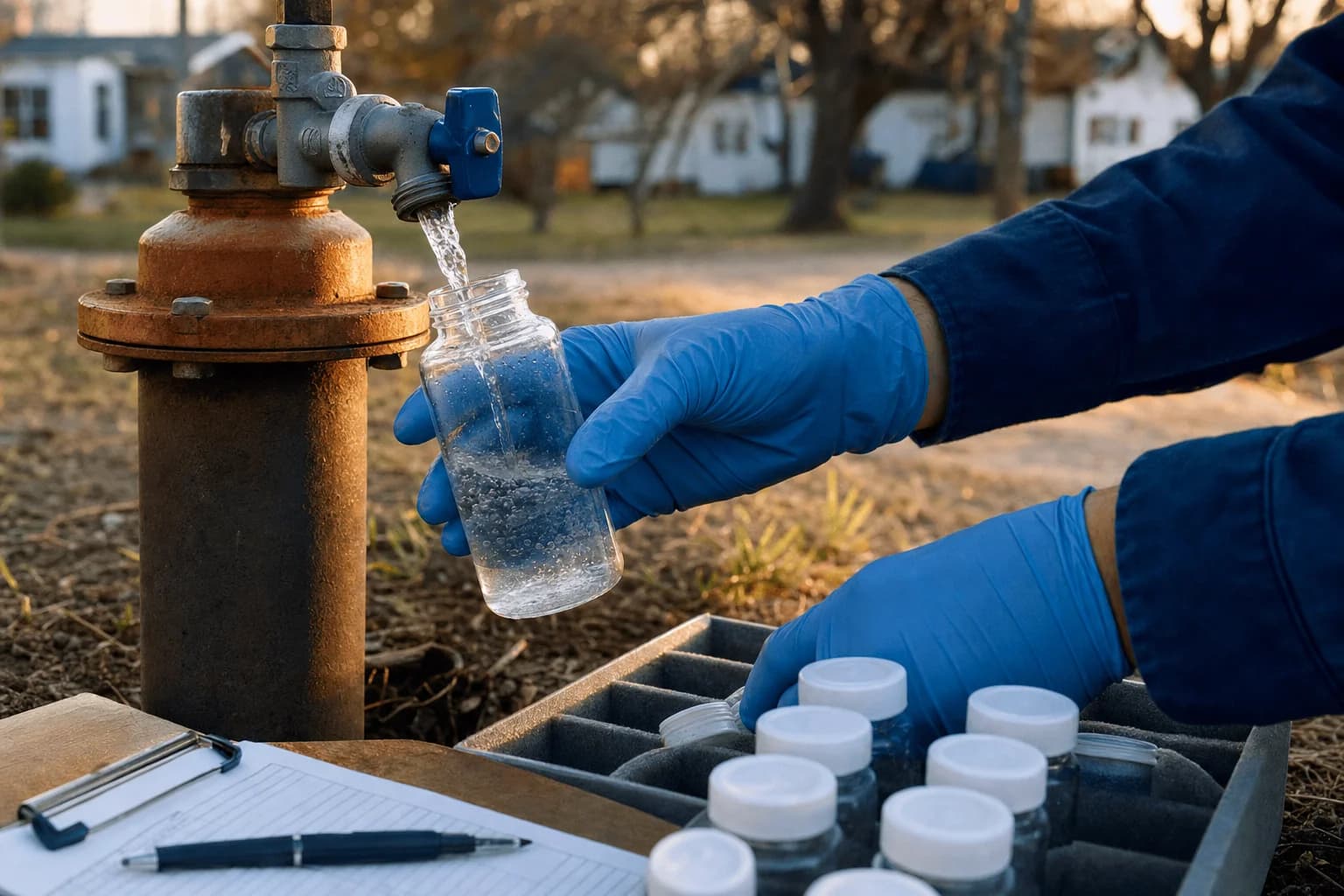
1. How Much Does Well Water Testing Cost?
In the United States, well water testing costs vary considerably depending on the number of contaminants included and whether you collect the sample yourself.
Here are some general price ranges:
These are approximate ranges, not fixed national prices. For example, published prices from Wisconsin public laboratories include individual bacteria and nitrate tests for around $35 each, while a homeowner package covering a broader range of contaminants can cost approximately $450. Some county health departments also provide free or subsidized testing.
HomeGuide+2
For most homeowners, the best starting point is not necessarily the most expensive package. It is choosing tests that cover routine water quality concerns and any additional risks specific to the property's location.
2. What Types of Well Water Tests Are Available?
Different tests identify different problems. A basic bacteria test cannot tell you whether your water contains arsenic, pesticides, or industrial chemicals.
Bacteria Testing
Typical cost: $10–$70
Bacteria testing commonly checks for total coliform bacteria and E. coli.
These indicators can help identify possible contamination from sewage, animal waste, or other sources. A positive result may require follow-up testing and corrective action.
Nitrate and Nitrite Testing
Typical cost: $10–$60 per test
Nitrates can enter groundwater through agricultural fertilizers, septic systems, animal waste, and contaminated runoff.
Testing is especially important for households with infants because high nitrate levels can pose serious health risks to babies.
Metals and Minerals Testing
Typical cost: $50–$350
This category may include:
- Arsenic
- Lead
- Iron
- Manganese
- Mercury
- Copper
- Fluoride
Some substances occur naturally in groundwater, while others may enter drinking water through plumbing or environmental contamination.
Volatile Organic Compounds (VOCs)
Typical cost: $150–$350
VOCs include certain industrial solvents and fuel-related chemicals. Testing may be appropriate if your well is near industrial facilities, fuel storage, gas stations, or other potential contamination sources.
PFAS and Other Specialized Testing
Typical cost: Several hundred dollars or more
PFAS, sometimes called forever chemicals, are a group of persistent synthetic chemicals that may contaminate groundwater.
Other specialized tests may examine pesticides, herbicides, petroleum compounds, radon, uranium, or other radioactive substances.
Not every household needs every specialized test. Local groundwater conditions and potential contamination sources should guide your selection.
3. Hidden Fees That Can Increase Your Testing Bill
The advertised price of a water test does not always represent the final amount you will pay.
Before ordering, check whether the following costs are included.
Sample Collection Fees
Some laboratories allow homeowners to collect samples themselves, while others offer professional sampling.
Professional collection can add a service charge. For example, one New England laboratory lists a licensed sampler fee of $150, separate from its analytical charges.
NEW Drinking Water Pckgs
Shipping and Handling
Mail-in testing kits may require return shipping, expedited delivery, or special handling.
This matters particularly for bacteria testing, because samples often need to reach the laboratory within a limited time.
Additional Laboratory Charges
A basic package may exclude certain contaminants, even when its description sounds comprehensive.
You may need to pay separately for arsenic, lead, VOCs, or other specialized tests.
Retesting Fees
If a test detects bacteria or another potential problem, you may need another sample to confirm the result.
Follow-up testing can increase your overall cost, particularly if treatment or well repairs have already been performed.
Water Quality Consultation
Some laboratories provide only test results, while others offer additional interpretation or consultation services.
Ask whether the quoted price includes an explanation of the results and whether follow-up advice costs extra.
4. What Should You Test for in a Private Well?
For routine household monitoring, the CDC recommends testing private well water at least once a year for:
- Total coliform bacteria
- Nitrates
- Total dissolved solids (TDS)
- pH
You may also need additional tests depending on local groundwater conditions, nearby agricultural or industrial activity, and the age or condition of your plumbing.
Testing is particularly important after flooding, well repairs, nearby land disturbances, or noticeable changes in water taste, color, or smell.
CDC+1
If you have never tested your well before, consider discussing a broader initial analysis with your local health department or a certified laboratory.
5. DIY Water Testing Kits vs. Professional Laboratory Testing
Homeowners generally have two options: collecting samples with a DIY kit or arranging testing through a laboratory.
DIY kits can be useful for preliminary checks, but not all kits test for the same contaminants or provide the same level of accuracy.
For drinking water decisions, use a state-certified laboratory with appropriate testing methods. The EPA provides information on finding certified drinking water laboratories through state certification programs.
California State Water Resources Control Board+1
6. What to Expect During the Well Water Testing Process
Knowing the process beforehand can help you avoid rejected samples and unexpected expenses.
Step 1: Identify your testing needs. Determine whether you need routine annual testing, a first-time comprehensive analysis, or testing for a specific suspected contaminant.
Step 2: Contact a certified laboratory. Ask for its current price list, sample collection instructions, turnaround time, and any additional fees.
Step 3: Collect the sample correctly. Follow the laboratory's instructions carefully. Different tests may require different containers, collection procedures, and delivery times.
Step 4: Submit the sample. Deliver or ship the sample according to the laboratory's requirements. Some bacteria samples have particularly strict handling deadlines.
Step 5: Review the results. Check the measured contaminant levels against relevant drinking water health guidance. Contact your local health department if you need help interpreting the findings.
Step 6: Arrange follow-up testing if necessary. If a result indicates a potential problem, ask about confirmation testing and appropriate next steps before choosing a treatment system.
7. How to Save Money on Well Water Testing
You can reduce unnecessary expenses without compromising the quality of your testing.
- Contact your county health department first: Some local agencies offer free or discounted private well testing.
- Compare public and private laboratories: State and university laboratories may offer lower prices than commercial providers.
- Choose tests based on local risks: Avoid paying for an extensive panel without understanding which contaminants are relevant.
- Check package contents: Compare the actual contaminants included rather than choosing the cheapest advertised package.
- Ask about sample collection: Self-collection may reduce costs when the laboratory permits it.
- Plan routine testing: Annual monitoring can help identify changes before they become more serious problems.
The CDC and EPA both recommend working with local health authorities to determine which additional contaminants may be important in your area.
CDC+1
Conclusion
Well water testing can cost as little as a few dollars for individual laboratory analyses or several hundred dollars for a comprehensive contaminant panel. The biggest factors affecting your final bill are the type of tests, sample collection method, laboratory fees, and shipping or follow-up expenses.
For most private well owners, annual testing for bacteria, nitrates, pH, and total dissolved solids is an important starting point. If your well has never been tested or your property has specific contamination risks, consider a broader analysis. Comparing certified laboratories and checking for local testing programs can help you protect your household's water quality without paying for unnecessary services.