Sell My Car Online: Where to Get an Offer and How to Avoid Scams
Selling your car online offers options including instant offers, private buyers, and dealership marketplaces. The right choice depends on your desired price, timeline, and willingness to handle inquiries, negotiations, and paperwork. Understanding where to find buyers, how to compare offers, and transaction safeguards can help make the process more manageable.
1. What Is the Best Way to Sell a Car Online?
There is no single best method for every seller. The right option depends on your priorities.
Sell to an Online Car Buyer
Online car-buying companies allow you to enter your vehicle information and receive an offer without creating a public listing.
Examples include:
- Carvana
- CarMax
- Kelley Blue Book Instant Cash Offer
The process generally involves entering your vehicle identification number (VIN), mileage, features, and condition. Depending on the company, you may need to upload photos or bring the car to a location for inspection.
This option is useful if you want a relatively straightforward transaction and do not want to negotiate with multiple private buyers.
Sell Your Car Privately Online
A private sale means you advertise your vehicle online and negotiate directly with potential buyers.
Popular platforms include:
- Facebook Marketplace
- Craigslist
- Autotrader
- Kelley Blue Book Private Seller Exchange
Private selling may allow you to receive more money because you are selling directly to the person who wants the vehicle. However, you must handle inquiries, test drives, negotiations, payment verification, and paperwork.
Sell Through a Dealer Marketplace
Some online platforms connect sellers with participating dealerships.
You submit your vehicle information, and interested dealers may provide offers. This can help you compare prices without contacting dealerships individually.
It is worth checking more than one platform because different buyers may value the same vehicle differently.
2. Where Can You Sell Your Car Online?
Choosing the right platform can affect both your final price and how quickly you find a buyer.
Before choosing a platform, check whether it charges listing or transaction fees, whether it purchases vehicles directly, and how payment and vehicle pickup are handled.
Do not assume that every website displaying an estimated value is actually buying your car. Some platforms provide valuations or connect you with dealers rather than purchasing the vehicle themselves.
3. How to Sell Your Car Online Step by Step
A successful sale starts with accurate information and a realistic asking price.
Step 1: Find Out What Your Car Is Worth
Before accepting an offer, research your vehicle's current market value.
Useful information includes:
- Year, make, and model
- Current mileage
- Trim level and optional features
- Accident and damage history
- Mechanical condition
- Maintenance records
- Local demand for similar vehicles
You can use Kelley Blue Book to check estimated private-party, trade-in, and other vehicle values.
Do not rely on just one estimate. Compare several online offers to understand what buyers may actually pay.
Step 2: Gather Your Vehicle Information
Most online buyers will ask for basic details before providing an offer.
Prepare:
- VIN
- License plate number, if requested
- Current odometer reading
- Vehicle year, make, and model
- Trim and installed options
- Ownership and accident history
- Information about existing loans or liens
Providing accurate information helps reduce the risk of a lower offer after inspection.
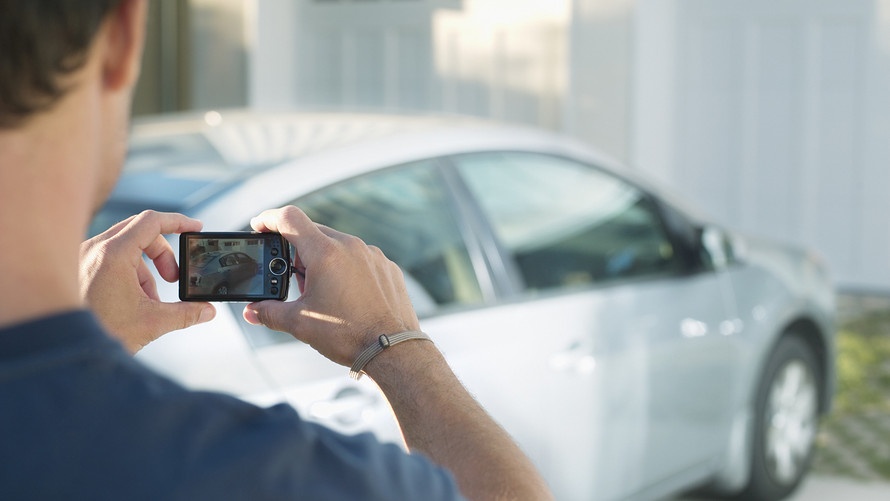
Step 3: Clean Your Car and Take Good Photos
If you are selling privately, good photos can help attract serious buyers.
Take clear pictures of:
- Front and rear exterior
- Both sides of the vehicle
- Interior and dashboard
- Front and rear seats
- Tires and wheels
- Odometer
- Engine compartment
- Any visible scratches, dents, or damage
Clean the interior, remove personal belongings, and wash the exterior before taking pictures.
You do not necessarily need expensive detailing. A clean, well-presented vehicle with honest photos is usually a better starting point than an expensive advertising campaign.
Step 4: Get Multiple Offers
One of the biggest mistakes sellers make is accepting the first offer they receive.
Request quotes from several online buyers and compare them with private-sale estimates.
Look beyond the headline price. Check:
- Whether the offer is guaranteed or subject to inspection
- How long the offer remains valid
- Whether pickup is included
- Whether there are service or processing fees
- How and when payment is issued
- Whether the buyer handles an outstanding loan
An online offer can also serve as a benchmark. If you list privately, you will know approximately how much a buyer needs to offer before the extra effort is worthwhile.
Step 5: Review the Offer and Complete the Inspection
If you accept an offer from a company or dealership, the vehicle may need an in-person inspection.
The buyer may check mileage, condition, accident damage, equipment, and whether the information you submitted was accurate.
If the vehicle's actual condition differs from your description, the final offer may change.
Read the final paperwork carefully before agreeing to the transaction.
Step 6: Receive Payment and Transfer Ownership
Never hand over your vehicle or sign away ownership based solely on a payment screenshot or a buyer's promise.
Confirm that the payment has actually cleared through a verified payment method. Follow the buyer's official transaction process and complete the title transfer according to your state's requirements.
If you still have an auto loan, contact your lender to obtain the payoff amount and confirm how the buyer will settle the outstanding balance.
4. How to Get the Most Money When Selling a Car Online
Getting a high offer is not just about choosing the platform with the largest advertised price.
Several factors can influence your final sale amount.
Price Your Car Based on the Market
Research vehicles with similar mileage, model years, trim levels, and condition.
If you are selling privately, you may choose an asking price slightly above your minimum acceptable amount to leave room for reasonable negotiation. Avoid pricing far above comparable vehicles, as this can discourage serious buyers.
Be Honest About Vehicle Condition
Do not hide accident damage, mechanical problems, warning lights, or title issues.
Buyers may discover these problems during inspection. Inaccurate descriptions can lead to renegotiation, canceled transactions, or disputes.
Keep Maintenance Records
Service records can help demonstrate that the vehicle has been maintained.
Useful documents include oil-change records, tire replacements, brake service, repair invoices, and manufacturer maintenance records.
Compare the Final Amount, Not Just the Initial Offer
A company may advertise a convenient process, but the final amount depends on its inspection, fees, and payment terms.
Compare the actual amount you will receive after any outstanding loan payoff and applicable charges.
5. Can You Sell a Car Online If You Still Owe Money?
Yes, in many cases you can sell a vehicle that has an outstanding auto loan.
However, the lender generally has a lien on the vehicle until the loan is paid off.
First, contact your lender and request a current payoff quote. Then compare the payoff amount with the buyer's offer.
There are two common situations:
If the car is worth more than the loan balance:
The buyer's payment can be used to pay off the loan, and you may receive the remaining equity.
If the car is worth less than the loan balance:
You have negative equity. You will generally need to cover the difference to complete the sale, depending on the transaction and lender requirements.
Some established online car buyers and dealerships can coordinate the payoff process with your lender. Confirm the exact procedure before accepting an offer.
6. How to Avoid Scams When Selling a Car Online
Private vehicle sales can attract scammers. Protect yourself before sharing sensitive information or handing over your keys.
Watch for these warning signs:
- A buyer offers to pay more than your asking price without seeing the car.
- Someone sends a suspicious payment confirmation or an overpayment check.
- A buyer asks you to pay a delivery, inspection, or escrow fee upfront.
- Someone insists on using an unfamiliar payment or escrow website.
- A buyer asks for personal or banking information unrelated to the transaction.
- Someone pressures you to transfer the title before payment is verified.
For private sales, meet in a safe public location, verify the buyer's identity, and accompany them during any test drive. Do not leave the vehicle or original title documents with an unverified buyer.
Use a reputable payment process and verify funds directly with your financial institution. Be especially careful with cashier's checks because fraudulent checks can appear legitimate before being rejected.
7. What Documents Do You Need to Sell a Car?
Requirements vary by state, but sellers commonly need:
- Vehicle title
- Valid identification
- Bill of sale, if required
- Odometer disclosure, where applicable
- Lien release or lender payoff information, if financed
- Maintenance and service records, if available
Some states also require emissions or safety documentation, specific title forms, or a report of sale.
Check your state motor vehicle agency's requirements before completing the transaction. Keep copies of the signed documents and confirmation that the sale has been reported.
Frequently Asked Questions
Can I sell my car online without visiting a dealership?
Yes. Some online buyers offer home pickup or a largely online process. Private-sale platforms also allow you to advertise your vehicle and arrange a transaction directly with a buyer.
How quickly can I sell my car online?
An online buyer may provide an offer within minutes, but the final sale depends on inspection, paperwork, payment, and vehicle pickup. Private sales can take days or weeks depending on the vehicle and asking price.
Is it better to sell my car privately or to Carvana?
A private sale may produce a higher price, but it requires more time and effort. Carvana and similar companies may offer a more convenient process. The best choice is to compare actual offers before deciding.
Can I sell a car online without a title?
It depends on your state and the buyer's requirements. If you have lost your title, contact your state's motor vehicle agency about obtaining a replacement. If the vehicle has a lien, contact the lender about the title and payoff process.
Should I repair my car before selling it?
Not always. Small, inexpensive repairs may improve buyer confidence, but major repairs may cost more than the value they add. Compare repair estimates with the offers you can already receive for the vehicle in its current condition.
Final Thoughts
Selling a car online can be faster and more convenient than relying entirely on traditional classified advertising. You can compare instant offers, contact dealerships, or find private buyers without limiting yourself to one selling method.
If convenience is your priority, start by requesting offers from established online car buyers. If maximizing the sale price matters more, compare those offers with private-sale listings for similar vehicles.
The most important step is to compare the final amount you will receive, verify payment, and complete the ownership transfer correctly. A little preparation can help you avoid unnecessary delays, reduce the risk of scams, and sell your car with greater confidence.