Waist Trainer for Women: Does It Really Work?
Waist trainers temporarily compress the midsection for a slimmer appearance and smoother fit under clothing. Styles differ in compression and torso coverage. An unsuitable size or design can cause discomfort and restrict movement. Understanding their effects, choosing an appropriate fit, and learning safe wearing practices can help guide your purchase.
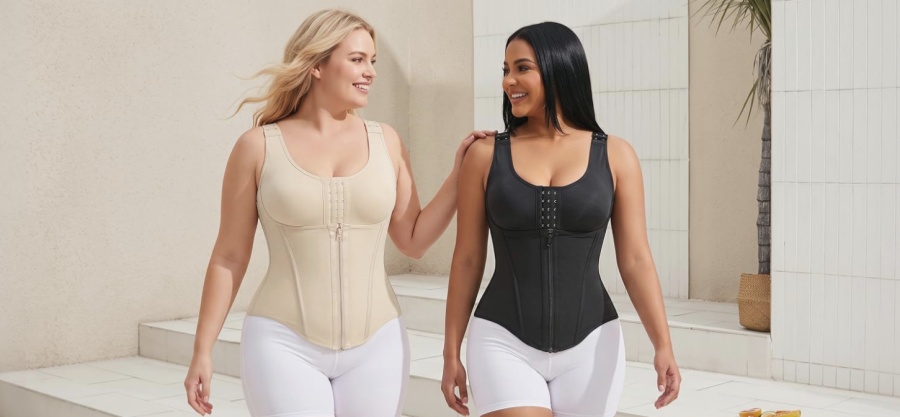
What Is a Waist Trainer for Women?
A waist trainer is a compression garment designed to fit around the waist and abdomen. It uses elastic materials, firm fabric, hooks, zippers, or structured panels to create a tighter-looking waistline.
Unlike ordinary underwear, many waist trainers provide stronger compression and are designed to shape the midsection underneath clothing.
Women commonly use waist trainers for:
- Creating a more defined waistline under dresses and fitted outfits
- Smoothing the appearance of the abdomen
- Achieving a temporary hourglass silhouette
- Adding compression around the midsection
- Improving the appearance of clothing fit
However, a waist trainer does not permanently reshape the body or directly burn abdominal fat. Its main effect is temporary external compression.
Do Waist Trainers Actually Work?
The answer depends on what you expect from the product.
If your goal is to make your waist look smaller while wearing fitted clothing, a properly sized waist trainer may help. Compression can temporarily change the appearance of your midsection and create a more defined silhouette.
However, if you expect a waist trainer to permanently reduce your waist size or eliminate belly fat, the results will likely disappoint you.
What Waist Trainers Can Do
A waist trainer may provide several cosmetic benefits:
- Temporary waist shaping: Compression can make the waist appear more defined while the garment is worn.
- Smoother clothing fit: Some designs help reduce visible folds under fitted clothing.
- Outfit support: A waist trainer can create a more structured silhouette for certain dresses and outfits.
- Adjustable compression: Hook-and-eye designs allow some users to adjust the tightness.
What Waist Trainers Cannot Do
A waist trainer cannot selectively burn belly fat, permanently change your natural body shape, or replace exercise and balanced nutrition.
Sweating more while wearing a compression garment does not mean you are losing more body fat. Any immediate reduction in waist measurement is generally related to compression rather than lasting fat loss.
Types of Waist Trainers for Women
Different waist trainers serve different purposes. Choosing the right style is often more important than choosing the tightest product.
Latex Waist Trainers
Latex waist trainers are popular because they provide relatively firm compression. Many models feature multiple rows of hooks, allowing users to adjust the fit.
They may be suitable for women who want a more defined waistline under clothing. However, latex can feel warm and may irritate people with latex sensitivity.
Waist Cinchers
A waist cincher is usually shorter than a traditional waist trainer. It focuses mainly on the waist instead of covering most of the abdomen.
This style may work well under certain dresses, tops, and fitted outfits. It is also a practical option for women who do not want a garment covering their entire torso.
Neoprene Waist Trainers
Neoprene designs are often marketed for workouts and sweating. They typically have a flexible structure and can feel less rigid than some traditional corsets.
However, increased sweating does not produce targeted fat loss. During exercise, restrictive compression can also interfere with comfortable breathing and movement.
High-Waist Shapewear
High-waist shaping garments cover more of the abdomen and may extend toward the hips or chest.
They are often a better choice for women who want a smoother appearance across a larger area rather than strong compression around one narrow section of the waist.
How to Choose the Best Waist Trainer for Women
The best waist trainer is not necessarily the one with the strongest compression. Comfort, sizing, material, and intended use should determine your choice.
1. Choose the Right Size
Sizing is one of the most important factors.
A waist trainer that is too small may cause discomfort, pressure, skin irritation, or difficulty breathing. Buying a smaller size does not guarantee better shaping results.
Before ordering:
- Measure your natural waist according to the manufacturer's instructions.
- Compare your measurements with the product's size chart.
- Check whether the garment is designed to stretch.
- Review the return and exchange policy.
- Avoid choosing a size based only on your usual clothing size.
If your measurements fall between sizes, check the manufacturer's guidance rather than automatically choosing the smaller option.
2. Consider the Material
The material affects comfort, flexibility, and breathability.
- Latex: Firm compression, but may feel warm.
- Cotton blends: Often softer against the skin.
- Neoprene: Flexible and commonly used in workout-oriented designs.
- Powernet: Frequently used in shaping garments for structured compression.
- Mesh panels: May improve ventilation in some designs.
If you plan to wear a waist trainer underneath clothing, look for smooth seams and materials that do not create visible lines.
3. Check the Closure System
Most waist trainers use hooks, zippers, or adjustable straps.
Hook-and-eye closures provide multiple adjustment positions. Zippers are convenient, but the garment must fit correctly before being fastened. Adjustable straps may provide additional flexibility.
A secure closure should not require excessive force.
4. Match the Style to Your Outfit
Different garments work better with different clothing styles.
For example:
- Under fitted dresses: Consider a smooth waist cincher or seamless shaper.
- Under everyday clothing: Look for lightweight, flexible materials.
- For full abdominal coverage: Consider high-waist shapewear.
- For a structured fashion look: A corset-style design may be more appropriate.
The goal is to find a product that works with your clothing without creating discomfort.
How Much Does a Waist Trainer Cost?
Waist trainer prices vary depending on materials, construction, brand, and design.
A more expensive product is not automatically better. Before paying extra, check the material quality, stitching, closure strength, size range, and customer reviews.
For most first-time buyers, a reasonably priced, adjustable product with a clear size chart is a sensible starting point.
How Long Should You Wear a Waist Trainer?
There is no medically established daily wearing schedule that guarantees better results.
If you choose to wear a waist trainer for cosmetic shaping, prioritize comfort rather than gradually increasing compression to achieve a smaller waist.
Keep these precautions in mind:
- Do not tighten the garment until breathing feels restricted.
- Remove it if you experience pain, numbness, dizziness, or significant discomfort.
- Avoid sleeping in a restrictive waist trainer.
- Do not use it to push through intense exercise.
- Keep the skin clean and dry.
- Stop wearing it if you develop irritation or other skin problems.
Women who are pregnant, recovering from surgery, or managing a medical condition should consult a healthcare professional before using restrictive compression garments.
Waist Trainer vs. Shapewear: Which Is Better?
Although waist trainers and shapewear are sometimes marketed for similar purposes, they are not identical.
If you want a more defined waistline, a waist cincher may be worth considering. If your main concern is smoothing the appearance of your abdomen and hips under clothing, shapewear may be more practical.
Frequently Asked Questions
Can a waist trainer help reduce belly fat?
No. A waist trainer does not directly burn abdominal fat or produce targeted weight loss. It can temporarily compress the midsection and change how your waist looks while wearing it.
Can beginners wear a waist trainer?
Yes, beginners can choose a comfortable, properly sized garment. Start with a design that offers moderate compression and avoid forcing the garment to fit more tightly than your body comfortably allows.
Can I wear a waist trainer every day?
Daily use is not necessary, and prolonged restrictive compression is not recommended. If you experience breathing difficulty, pain, reflux, numbness, or skin irritation, remove the garment.
Are waist trainers safe?
A properly fitted garment used cautiously may be tolerated by some healthy adults. However, excessive compression can cause discomfort and other problems. Waist trainers are not medical treatments for weight loss or abdominal conditions.
What is the best waist trainer for an hourglass shape?
A waist cincher or structured latex waist trainer may create a more defined-looking waist temporarily. The best option depends on your measurements, clothing, and comfort level.
Final Thoughts
A waist trainer for women can be useful when the goal is a temporary, more defined waistline or a smoother appearance under fitted clothing. However, it is important to understand the difference between cosmetic shaping and actual body-fat reduction.
Before purchasing, compare different styles, check the size chart, evaluate the materials, and choose a product that allows comfortable movement and normal breathing.
The best waist trainer is one that fits your body correctly, suits your clothing needs, and does not compromise your comfort or health.