Want an Hourglass Figure? Find the Right Waist Trainer for Your Body
Waist trainers provide temporary midsection compression for a more defined waistline and smoother silhouette under clothing. Options include latex trainers, waist cinchers, compression belts, corset styles, and workout wraps. Understanding their effects, costs, fit, and compression levels helps you compare styles and choose an option suited to your comfort and needs.
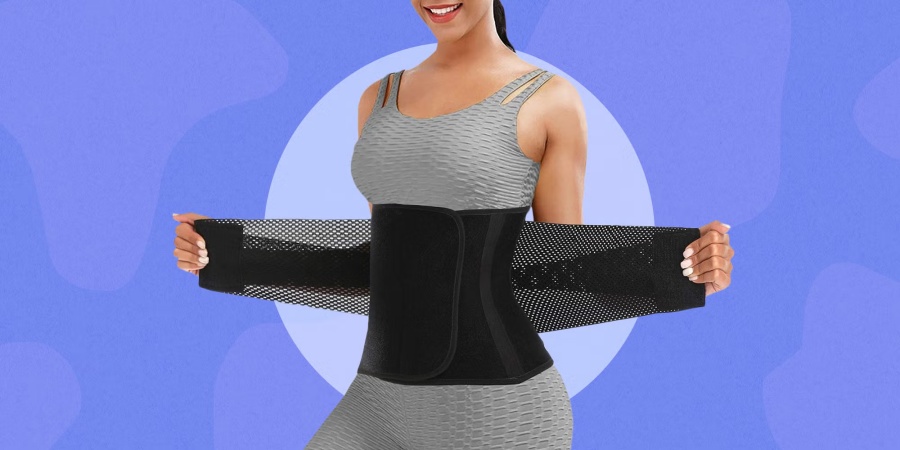
What Is a Waist Trainer for Women?
A waist trainer is a compression garment designed to wrap around the midsection and create a tighter-looking waist while it is being worn.
Most styles use materials such as latex, nylon, spandex, neoprene, or elastic fabrics. Some include adjustable hooks, Velcro closures, zippers, or flexible boning for additional structure.
Women commonly wear waist trainers for:
- Creating a more defined waistline under clothing
- Smoothing the midsection beneath fitted outfits
- Achieving a temporary hourglass silhouette
- Providing light compression and support
- Improving the appearance of the waist in certain outfits
The main effect is temporary. A waist trainer compresses the body while worn, but it does not permanently reshape the waist or burn belly fat.
Best Types of Waist Trainers for Women
Different waist trainers are designed for different needs. Understanding the differences can help you avoid buying a product that feels uncomfortable or does not match your expectations.
1. Latex Waist Trainer
Latex waist trainers are among the most recognizable styles. They typically feature firm compression, multiple hook rows, and a structured design.
Potential advantages:
- Firm midsection compression
- Adjustable fit with multiple hook positions
- Helps create a defined waistline under clothing
- Available in different lengths and designs
Best for: Women looking for a structured waist-cinching garment for short periods.
If you have a latex allergy, choose a latex-free alternative.
2. Waist Cincher
A waist cincher is usually shorter than a traditional corset and focuses on the area around the waist.
It may be easier to wear underneath dresses, shirts, or other fitted clothing because it covers less of the torso.
Potential advantages:
- Compact design
- Less coverage than full-length corsets
- Convenient for certain outfits
- Often available with adjustable closures
Best for: Women who want a defined waist appearance without wearing a full-length garment.
3. Neoprene Waist Trainer
Neoprene waist trainers are commonly marketed for workouts and increased sweating around the midsection.
They often use flexible, thicker material and adjustable straps.
Potential advantages:
- Flexible construction
- Adjustable compression
- Easy to put on and remove
- Suitable for some light, everyday compression uses
Best for: Women who prefer a flexible waist wrap rather than a rigid corset-style design.
Keep in mind that extra sweating does not mean extra fat loss. Any temporary weight change from sweating is mainly water loss.
4. Steel-Boned Corset
Steel-boned corsets provide a more structured shape than most elastic waist trainers.
They generally feature stronger panels, boning, and lace-up or hook closures.
Potential advantages:
- Structured silhouette
- Adjustable fit in some designs
- Traditional corset appearance
- Suitable for fashion styling and special occasions
Best for: Women looking for a structured fashion corset rather than a workout garment.
A corset should never be tightened to the point of pain, restricted breathing, or discomfort.
5. Waist Trainer Vest
A waist trainer vest covers more of the torso, sometimes extending from the chest to the hips.
Some designs include shoulder straps or adjustable compression panels.
Potential advantages:
- Wider coverage
- Smoother appearance beneath certain outfits
- Compression across a larger area
- Different options for upper-body support
Best for: Women who prefer a garment with more coverage than a traditional waist cincher.
How Much Does a Waist Trainer for Women Cost?
Waist trainer prices vary according to material, construction, compression level, brand, and design.
Here are approximate U.S. retail price ranges:
A higher price does not automatically mean a better fit or safer compression.
When comparing products, pay attention to stitching, material quality, adjustability, return policies, and customer reviews.
What Are the Benefits of Wearing a Waist Trainer?
Women choose waist trainers for different reasons. Understanding the realistic benefits can help you decide whether the product is right for you.
Creates a More Defined Waistline
The most immediate effect is a temporarily smaller-looking waist.
Compression pulls in the midsection while the garment is being worn, which can create a more defined silhouette under clothing.
Smooths the Appearance Under Clothes
Some waist trainers help smooth the appearance of the midsection beneath dresses, tops, and fitted outfits.
A properly fitted garment may make certain clothes feel more comfortable to wear.
Provides Temporary Compression
Depending on the design, a waist trainer may provide a feeling of support around the torso.
However, ordinary fashion waist trainers should not be confused with medical abdominal binders prescribed after surgery or for specific medical conditions.
Offers Different Styling Options
From discreet waist cinchers to structured corsets, there are different designs for different outfits.
Some women prefer lightweight styles for occasional use, while others choose more structured garments for special occasions.
Do Waist Trainers Actually Reduce Belly Fat?
This is one of the most important questions to understand before purchasing a waist trainer.
No. Waist trainers do not directly burn belly fat or produce permanent waist reduction.
They compress the midsection and make the waist appear smaller while being worn. They may also cause additional sweating, but sweating does not mean that body fat is being burned.
Once the garment is removed, the temporary compression effect disappears.
If your goal is long-term changes in body composition, sustainable nutrition habits, regular physical activity, and appropriate strength training are more effective approaches.
Be cautious of products promising permanent waist reduction, rapid fat loss, or guaranteed inch loss.
How to Choose the Right Waist Trainer for Your Body
Buying the wrong size or compression level can make a waist trainer uncomfortable and potentially unsafe.
Consider these factors before ordering.
1. Measure Your Waist Correctly
Use a flexible measuring tape to measure your natural waist, usually the narrowest part of your torso.
Compare your measurement with the manufacturer's sizing chart rather than choosing your usual clothing size.
2. Choose the Right Compression Level
Not every woman needs firm compression.
- Light compression: May be more comfortable for occasional wear.
- Medium compression: Provides a firmer fit and more noticeable shaping.
- Firm compression: Creates stronger compression but may be less comfortable and more restrictive.
A waist trainer should never make it difficult to breathe, sit, or move normally.
3. Consider the Material
Look for materials that feel comfortable against your skin and are suitable for the intended use.
If you have sensitive skin or a latex allergy, check the product's material information carefully.
4. Check the Closure Design
Common closure options include hooks, zippers, Velcro, and lace-up systems.
Adjustable closures can make it easier to find a comfortable fit, but they should not be used to force the waist into an excessively tight shape.
5. Read Reviews and Check Return Policies
Look for feedback about sizing accuracy, stitching, comfort, material quality, and durability.
A clear return policy is particularly important when ordering compression garments online.
How to Wear a Waist Trainer Safely
Although some women use waist trainers for temporary shaping, wearing one too tightly or for extended periods may cause problems.
Keep these precautions in mind:
- Start with a comfortable fit rather than maximum compression.
- Avoid wearing it while sleeping.
- Do not use restrictive waist trainers during workouts.
- Remove it if you experience pain, numbness, heartburn, or breathing difficulties.
- Keep the skin clean and dry to reduce irritation.
- Avoid wearing it over irritated or damaged skin.
If you have a medical condition, are pregnant, or have recently undergone abdominal surgery, consult a healthcare professional before using compression garments.
A waist trainer should never be used as a substitute for medical treatment or a weight-management plan.
Waist Trainer vs. Shapewear: What's the Difference?
Although these products may look similar, they serve somewhat different purposes.
If your main goal is to create a smoother appearance under a dress, traditional shapewear may be a more comfortable choice.
If you prefer a more defined waist silhouette, a waist cincher or structured waist trainer may better match your styling preferences.
Frequently Asked Questions
Can I wear a waist trainer every day?
Regular, prolonged use is not recommended. Extended compression may interfere with breathing and digestion and can cause discomfort. Occasional, short-term use is a more cautious approach.
Can a waist trainer make my waist permanently smaller?
No. A waist trainer provides temporary compression, not permanent fat loss or lasting body reshaping.
Can I sleep in a waist trainer?
No. Sleeping in a restrictive waist trainer is not recommended because prolonged compression can cause discomfort and interfere with normal breathing.
Should I wear a waist trainer while exercising?
Restrictive waist trainers should not be worn during workouts. They may limit breathing and movement. Choose comfortable workout clothing that allows your body to move freely.
How do I know if my waist trainer is too tight?
If you experience difficulty breathing, pain, numbness, acid reflux, dizziness, or significant skin irritation, remove it immediately.
Find the Right Waist Trainer for Your Needs
Choosing a waist trainer for women is not just about finding the tightest garment or the most expensive brand. The right product should fit your measurements, feel comfortable, and match the purpose for which you intend to wear it.
Compare different styles, check the materials, review sizing information, and avoid products promising unrealistic weight-loss results.
Whether you prefer a latex waist trainer, a lightweight cincher, or a structured corset, prioritize fit and comfort over maximum compression.
Looking for a more defined silhouette? Start by comparing waist trainers designed for your body measurements and choose a style that supports your appearance without restricting your health.