Diabetic Neuropathy Treatment: How to Relieve Nerve Pain and Numbness
Diabetic neuropathy may cause burning, tingling, numbness, or sharp pain, particularly in the feet and legs, sometimes disrupting sleep. Treatments can help manage pain and protect foot health. Although existing nerve damage generally cannot be fully reversed, early care may help prevent further complications and improve quality of life.
What Is Diabetic Neuropathy?
Diabetic neuropathy is nerve damage caused by diabetes. Over time, high blood sugar and other metabolic factors can damage nerves and the small blood vessels that supply them.
The most common form is diabetic peripheral neuropathy, which usually affects the feet and legs first. It can also affect the hands and arms.
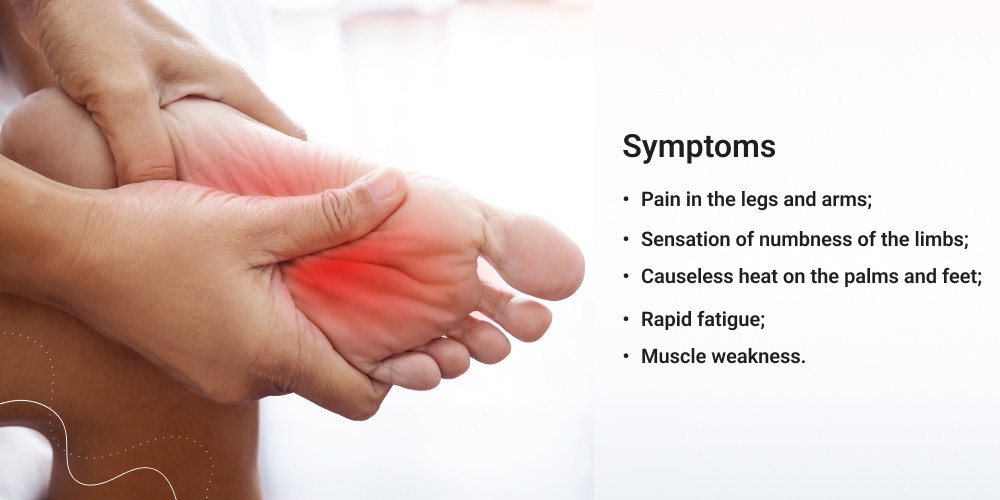
Common symptoms include:
- Burning or painful sensations in the feet
- Tingling or pins-and-needles feelings
- Numbness in the toes or soles
- Sharp, shooting, or electric-like nerve pain
- Increased sensitivity to touch
- Muscle weakness and balance problems
- Reduced ability to feel temperature or injuries
Symptoms may become more noticeable at night and can interfere with sleep and everyday activities.
What Is the Best Treatment for Diabetic Neuropathy?
There is no single treatment that works for everyone. Treatment usually combines blood sugar management, prescription medications, lifestyle changes, and regular foot care.
The main goals are to relieve pain, slow further nerve damage, and prevent serious foot complications.
1. Prescription Medications for Nerve Pain
Medication is one of the main treatment options for painful diabetic neuropathy.
Doctors may recommend different medicines depending on the severity of symptoms, medical history, and possible side effects.
Pregabalin (Lyrica)
Pregabalin is commonly prescribed for nerve pain associated with diabetic peripheral neuropathy. It can help reduce burning, tingling, and shooting pain.
Possible side effects include dizziness, sleepiness, and swelling.
Duloxetine (Cymbalta)
Duloxetine is an antidepressant medication that is also used to treat diabetic nerve pain. It may help reduce persistent burning and painful sensations.
Some people experience nausea, dry mouth, dizziness, or sleep changes.
Gabapentin (Neurontin)
Gabapentin is another medication used to manage neuropathic pain. It may be considered when other treatments are unsuitable or do not provide enough relief.
Common side effects include drowsiness and dizziness.
Amitriptyline
Amitriptyline belongs to a group of medicines called tricyclic antidepressants. It may help reduce nerve pain, particularly when discomfort interferes with sleep.
However, it can cause dry mouth, constipation, and drowsiness. It may not be suitable for everyone.
These medications do not repair damaged nerves. They are intended to manage symptoms, and the right choice should be made with a healthcare professional.
2. Topical Treatments for Burning Feet
Some people prefer treatments applied directly to the skin, particularly when pain is concentrated in certain areas.
Options may include:
- Capsaicin: Available in topical formulations, including a prescription-strength 8% patch used for diabetic peripheral neuropathic pain in the feet.
- Lidocaine: Creams or patches may provide localized pain relief in selected cases.
Topical treatments can have side effects, including skin irritation or burning. The prescription-strength capsaicin patch should be administered by a qualified healthcare professional.
Do not apply topical products to open wounds or damaged skin unless specifically directed by your clinician.
3. Improve Blood Sugar Management
Managing blood glucose is essential for protecting nerve health.
Consistently high blood sugar can contribute to nerve damage and increase the risk of further complications.
Your diabetes care plan may include:
- Monitoring blood glucose regularly
- Taking prescribed diabetes medications
- Following an appropriate meal plan
- Staying physically active
- Managing blood pressure and cholesterol
- Maintaining a healthy weight
Better glucose management can help prevent or delay neuropathy and slow its progression, particularly when started early.
However, controlling blood sugar alone does not necessarily relieve existing nerve pain.
4. Physical Therapy and Exercise
Physical activity may help people with diabetic neuropathy maintain strength, mobility, and balance.
Depending on your condition, a physical therapist may recommend:
- Gentle walking
- Balance exercises
- Strength training
- Flexibility exercises
- Low-impact activities
If you have numbness or reduced sensation in your feet, choose appropriate footwear and avoid activities that could cause unnoticed injuries.
Ask your healthcare provider which exercises are safe for your condition.
How to Protect Your Feet With Diabetic Neuropathy
Foot care is especially important because numbness can prevent you from noticing cuts, blisters, burns, or infections.
A small injury can become a serious problem if it is not detected early.
Follow these daily precautions:
- Check the tops, bottoms, and areas between your toes every day.
- Look for cuts, redness, swelling, blisters, or unusual skin changes.
- Wash your feet with lukewarm water and dry them carefully.
- Apply moisturizer to dry skin, but avoid applying it between the toes.
- Wear comfortable, properly fitted shoes and clean socks.
- Avoid walking barefoot, even indoors.
- Never use heating pads or hot water bottles on numb feet.
- Have regular professional foot examinations.
If you notice a wound, infection, unusual swelling, or a foot that becomes red and warm, contact a healthcare professional promptly. A diabetic foot wound may require urgent assessment.
Can Diabetic Neuropathy Be Reversed?
This is one of the most common questions among people experiencing diabetic nerve pain.
Unfortunately, there is currently no established treatment that reliably reverses existing diabetic nerve damage.
However, this does not mean that treatment is ineffective.
Appropriate care can:
- Reduce burning and shooting pain
- Improve sleep and daily comfort
- Help prevent additional nerve damage
- Protect the feet from ulcers and infections
- Improve mobility and quality of life
The earlier neuropathy is identified, the sooner you can begin managing the condition and reducing the risk of complications.
How Is Diabetic Neuropathy Diagnosed?
If you experience persistent numbness, tingling, or burning in your feet, arrange an appointment with your healthcare provider.
Diagnosis may involve:
Medical History: Your doctor will review your diabetes history, symptoms, medications, and other health conditions.
Foot Examination: The examination may include checking sensation, reflexes, circulation, skin condition, and muscle strength.
Monofilament Testing: A small flexible instrument may be used to assess whether you can feel pressure in different areas of your feet.
Blood Tests: Your doctor may check blood glucose control and consider other possible causes of nerve symptoms, such as vitamin B12 deficiency.
Nerve Conduction Studies: These tests may be recommended when the diagnosis is uncertain or another nerve condition is suspected.
Not all patients need every test. The evaluation depends on the symptoms and clinical findings.
When Should You See a Doctor?
Do not ignore persistent burning, tingling, or numbness, especially if you have diabetes.
Seek prompt medical attention if you notice:
- A foot wound that is not healing
- Redness, warmth, swelling, or drainage
- Sudden or rapidly worsening numbness
- New weakness or difficulty walking
- Signs of infection or changes in foot color
A sudden neurological problem, such as new one-sided weakness or difficulty speaking, requires emergency medical attention.
Early assessment can help identify complications before they become more serious.
Frequently Asked Questions
What is the most effective medication for diabetic neuropathy?
There is no universally best medication. Pregabalin, duloxetine, gabapentin, and certain tricyclic antidepressants are among the commonly used options. Your doctor can help determine which is most appropriate.
Does diabetic neuropathy cause burning feet at night?
Yes. Burning, tingling, and shooting pain may become more noticeable at night and interfere with sleep.
Can walking help diabetic neuropathy?
Appropriate physical activity may improve strength, mobility, and balance. However, exercise does not directly reverse established nerve damage. People with reduced foot sensation should take precautions against injuries.
Are vitamins effective for diabetic nerve damage?
Vitamin deficiencies, particularly vitamin B12 deficiency, can contribute to nerve problems. Testing and treating a confirmed deficiency may be helpful. However, vitamin supplements are not a proven cure for diabetic neuropathy, and unnecessary supplementation may carry risks.
How long does diabetic neuropathy treatment take to work?
The response depends on the treatment and individual circumstances. Some pain medications may begin helping within several weeks, while finding the right treatment combination can take longer. Follow-up appointments are important to evaluate benefits and side effects.
Find the Right Diabetic Neuropathy Treatment
Persistent nerve pain, burning feet, and numbness can affect nearly every part of daily life. But you do not have to ignore these symptoms or rely on temporary relief alone.
Start by discussing your symptoms with a healthcare professional. Ask about appropriate nerve pain medications, blood sugar management, foot examinations, and other treatment options.
The most important step is to identify nerve damage early, manage your diabetes, and protect your feet before minor problems become serious complications.