Is Dishwashing Worth It? Discover the Pay, Challenges and Daily Routine
Dishwashing is one of the most accessible entry-level jobs in the restaurant industry. It usually requires little previous experience or formal education, making it an option for people looking for immediate employment. However, the work can be physically demanding, repetitive, and fast-paced. So, is dishwashing worth it? The answer depends on your income expectations, working preferences, and whether you see the position as a temporary job or a starting point for a longer career in food service.
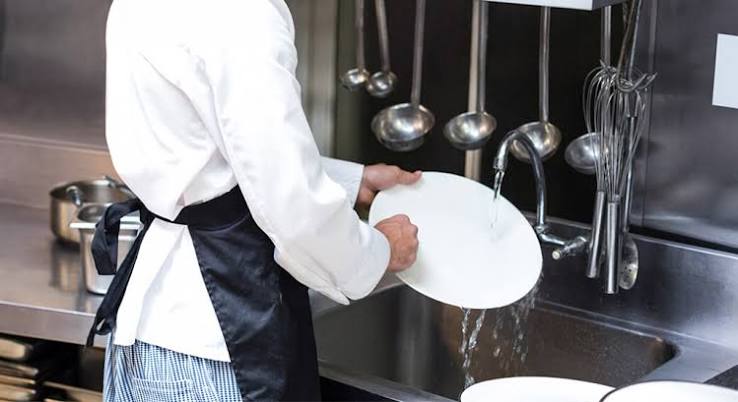
How Much Can You Earn as a Dishwasher?
Dishwasher pay varies depending on the employer, location, experience, and working schedule.
According to U.S. Bureau of Labor Statistics data for May 2025, the median annual wage for dishwashers was $34,810, equivalent to approximately $16.73 per hour. Actual earnings can be lower or higher depending on the local job market.
2025 A01 Results+1
Here are some factors that influence earnings:
- Location: Restaurants in areas with higher living costs may offer higher hourly wages.
- Experience: Experienced workers may qualify for better-paying positions or additional responsibilities.
- Working hours: Full-time schedules generally provide more consistent income than occasional shifts.
- Employer: Hotels, large restaurants, catering companies, and institutional kitchens may have different pay structures.
- Overtime: Some employers offer additional pay for eligible overtime hours, depending on applicable labor laws.
Some workplaces also provide staff meals, uniforms, or other benefits. However, these extras vary by employer and should not be assumed.
What Does a Typical Dishwasher Shift Look Like?
Dishwashing involves more than cleaning plates. Workers help maintain an organized kitchen and make sure other employees have the equipment they need.
A typical shift can be divided into three stages.
Before the restaurant gets busy
Workers prepare the dishwashing station, check equipment, organize cleaning supplies, and make sure sinks and work surfaces are ready.
During lunch or dinner service
This is usually the busiest part of the shift. Dishwashers collect dirty dishes, remove leftover food, load commercial machines, wash cookware, and return clean items to storage areas.
After service ends
Workers finish remaining dishes, clean the dishwashing machines, wipe down surfaces, remove garbage, and sweep or mop floors.
Depending on the workplace, they may also help restock kitchen supplies or prepare equipment for the next shift.
Dishwashers
The Main Challenges of Working as a Dishwasher
Although the job does not usually require advanced technical skills, it can be physically demanding.
1. Standing for long periods
Dishwashers spend most of their shifts standing and moving between sinks, machines, storage areas, and kitchen stations.
2. Repetitive work
Washing, sorting, lifting, and stacking dishes are repeated throughout the day. This can become tiring, particularly during longer shifts.
3. Hot and humid conditions
Commercial dishwashing areas often involve hot water, steam, and cleaning equipment. The environment can feel uncomfortable during busy periods.
4. Fast-paced workloads
During lunch and dinner rushes, dirty dishes can accumulate quickly. Workers need to maintain a steady pace without compromising cleanliness.
5. Evening and weekend schedules
Restaurants often need dishwashers during evenings, weekends, and holidays. This may make scheduling less convenient for people who prefer traditional working hours.
Understanding these challenges before accepting a position can help you decide whether the job suits your physical abilities and lifestyle.
What Skills Do You Need?
Most dishwasher jobs do not require a college degree or extensive professional experience. Employers generally provide short-term training on equipment, cleaning procedures, and workplace expectations.
Bureau of Labor Statistics+1
The most useful skills include:
- Reliability: Arriving on time and completing assigned tasks.
- Physical stamina: Handling standing, lifting, and repetitive movements.
- Time management: Keeping the dishwashing area organized during busy periods.
- Attention to detail: Ensuring dishes and equipment are properly cleaned.
- Teamwork: Communicating effectively with cooks, servers, and other kitchen employees.
Previous experience in restaurants, cleaning, or food service can be helpful, but many employers are willing to train beginners.
Is Dishwashing a Good Job for Beginners?
Dishwashing can be a practical option for people entering the workforce, changing industries, or looking for a job without complicated entry requirements.
Some potential advantages include:
- Relatively low barriers to entry.
- Opportunities to gain restaurant experience.
- On-the-job training in kitchen operations and sanitation.
- Potential access to full-time or part-time schedules.
- Opportunities to develop transferable workplace skills.
However, the job may be less suitable for people who dislike repetitive physical work, prefer quiet environments, or need predictable daytime schedules.
Can You Build a Career from Dishwashing?
A dishwasher position can be a starting point for other food-service roles.
With experience, training, and interest, workers may move into positions such as:
- Kitchen assistant
- Food preparation worker
- Prep cook
- Line cook
- Kitchen supervisor
Moving into these roles may require additional skills, employer training, or demonstrated experience. Asking to learn basic food preparation and kitchen procedures can help create opportunities for advancement.
How to Find Dishwasher Jobs
If you want to explore available positions, start by checking local job boards and restaurant career pages.
Search using different job titles, including dishwasher, dish machine operator, kitchen helper, and kitchen steward. Some employers may advertise similar responsibilities under different titles.
Before accepting an offer, ask about:
- Hourly pay and payment schedule
- Expected weekly working hours
- Shift times and overtime policies
- Breaks and employee meals
- Training and protective equipment
- Opportunities for additional responsibilities
Comparing several offers can help you find a position with better pay and working conditions.
Final Thoughts: Is Dishwashing Worth It?
Dishwashing can be worth considering if you want an accessible job, steady work experience, and an opportunity to enter the restaurant industry. Its main advantages are relatively simple entry requirements and the possibility of learning additional kitchen skills.
On the other hand, the physical workload, repetitive tasks, and demanding schedules are important factors to consider.
Ultimately, whether dishwashing is worth it depends on the pay offered, the working environment, and your personal goals. If you view it as a way to earn income while gaining experience and exploring future kitchen opportunities, it can be a useful starting point.