Inside a Dishwasher’s Daily Routine: Earnings, Tasks and What to Expect
A dishwasher plays an important role in keeping a restaurant kitchen running smoothly. Although the job is often considered an entry-level position, it involves more than simply washing plates. Dishwashers help maintain cleanliness, organize kitchen equipment, support food preparation, and ensure that clean dishes are always available during busy service hours. If you are considering a dishwasher job, understanding the daily routine, typical earnings, working conditions, and basic requirements can help you decide whether this role is right for you.
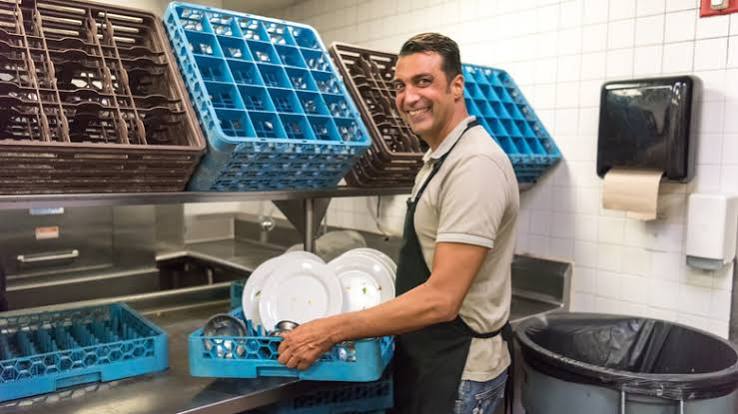
What Does a Dishwasher Do Every Day?
A dishwasher is responsible for cleaning dishes, utensils, cookware, and kitchen equipment. The exact duties depend on the size and type of workplace, but most positions involve several regular tasks.
Common responsibilities include:
- Washing dishes: Cleaning plates, glasses, silverware, pots, and pans by hand or with commercial dishwashing machines.
- Sorting and organizing: Separating dirty dishes, loading them into washing machines, and putting clean items back in their designated storage areas.
- Cleaning kitchen surfaces: Wiping counters, sinks, equipment, and food preparation areas.
- Maintaining floors: Sweeping and mopping floors to keep the kitchen clean and safe.
- Handling waste: Collecting garbage, replacing trash bags, and cleaning waste containers.
- Supporting kitchen staff: Restocking supplies, moving equipment, and occasionally helping with basic food preparation.
These responsibilities may expand during busy periods, especially in restaurants with large dining areas or high customer turnover.
Dishwashers+1
A Typical Dishwasher’s Daily Routine
The workday usually follows the restaurant's service schedule. A dishwasher may work morning, afternoon, evening, or late-night shifts.
Before service begins
At the start of a shift, workers typically prepare the dishwashing station. This may include checking the machine, preparing cleaning supplies, organizing racks, and making sure the sink and surrounding areas are clean.
During busy service hours
As customers finish their meals, dirty dishes arrive continuously from the dining area and kitchen. Dishwashers sort items, remove leftover food, load machines, wash items that require hand cleaning, and return clean dishes to the appropriate areas.
Speed and organization are particularly important during lunch and dinner rushes. Kitchen staff rely on a steady supply of clean plates, pans, and utensils.
After service
Once the busiest period has passed, dishwashers usually handle remaining dishes, clean the machines and work surfaces, remove garbage, and mop the floors. Some workplaces also require workers to organize supplies and prepare the station for the next shift.
How Much Do Dishwashers Earn?
Dishwasher earnings depend on location, employer, experience, working hours, and whether the position is full-time or part-time.
In the United States, the Bureau of Labor Statistics reported a median annual wage of approximately $34,310 in May 2025, equivalent to about $16.49 per hour. The mean hourly wage was $16.73.
2025 A01 Results+1
Actual earnings can vary considerably:
- Entry-level positions: Often offer wages near the local minimum wage or the employer's starting rate.
- Experienced workers: May earn more through higher hourly rates or additional responsibilities.
- Full-time positions: Can provide more consistent weekly income than occasional or seasonal shifts.
- Part-time positions: May suit people looking for flexible schedules or supplemental income.
Some restaurants provide employee meals, uniforms, or other benefits. Tips are not guaranteed and depend on the employer's tip-sharing policy.
What Is the Working Environment Like?
Dishwashing is generally a hands-on job in the back of a restaurant, hotel, cafeteria, or institutional kitchen.
Workers spend much of their shifts standing, walking, lifting, bending, and handling dishes. The dishwashing area can become hot, humid, noisy, and crowded, particularly during peak service periods.
Other conditions to consider include:
- Repetitive movements involving hands, arms, and shoulders.
- Contact with hot water, cleaning products, and wet surfaces.
- Frequent handling of heavy cookware and dish racks.
- Pressure to keep up with a continuous flow of dirty dishes.
- Evening, weekend, and holiday shifts.
Protective gloves and suitable non-slip footwear can help reduce some workplace risks. Following cleaning procedures and handling equipment carefully are also important.
Skills and Requirements for Dishwasher Jobs
Many dishwasher positions do not require previous restaurant experience or a specialized qualification. Employers commonly provide basic training on equipment, cleaning procedures, and workplace expectations.
Useful qualities include:
- Physical stamina: Being able to stand for extended periods and handle repetitive tasks.
- Time management: Keeping dishes moving efficiently during busy shifts.
- Attention to detail: Making sure dishes and equipment are properly cleaned.
- Reliability: Arriving on time and completing assigned duties.
- Teamwork: Communicating with cooks, servers, and other kitchen employees.
Some employers may also require food-handler training or other local workplace certifications, depending on the location and job responsibilities.
How to Find a Dishwasher Job
Dishwasher vacancies are commonly advertised by restaurants, hotels, catering companies, hospitals, schools, and other food-service businesses.
To begin your search:
- Check job platforms such as Indeed and local employment websites.
- Search for terms such as dishwasher, dish machine operator, kitchen helper, or kitchen steward.
- Contact nearby restaurants and ask whether they are hiring.
- Prepare a simple resume highlighting reliability, availability, teamwork, and any relevant experience.
- Ask about hourly pay, shift schedules, overtime, breaks, and employee benefits before accepting an offer.
Even without direct experience, showing that you are dependable and willing to learn can help you stand out.
Can Dishwasher Jobs Lead to Other Opportunities?
A dishwasher position can provide an entry point into the food-service industry. Workers who gain experience and demonstrate strong performance may have opportunities to take on additional responsibilities.
Possible career paths include:
- Kitchen assistant or kitchen porter
- Food preparation worker
- Prep cook
- Line cook
- Kitchen supervisor
Progression is not automatic, but learning food safety practices, understanding kitchen operations, and developing communication skills can support future opportunities.
Final Thoughts
Working as a dishwasher involves steady physical activity, repetitive cleaning tasks, and the ability to keep pace with a busy kitchen. In return, it can offer an accessible way to enter the restaurant industry, gain workplace experience, and potentially move into other kitchen roles.
Before applying, compare local wages, shift expectations, physical requirements, and employment benefits. Understanding what the job involves can help you decide whether it matches your schedule, experience, and career goals.