Basement Leaking? Find the Right Waterproofing Company Before Repairs Get Expensive!
Discover how to find a reliable basement waterproofing company, compare contractor quotes, understand repair costs, and choose the right solution for leaks, foundation cracks, drainage problems, and basement moisture.
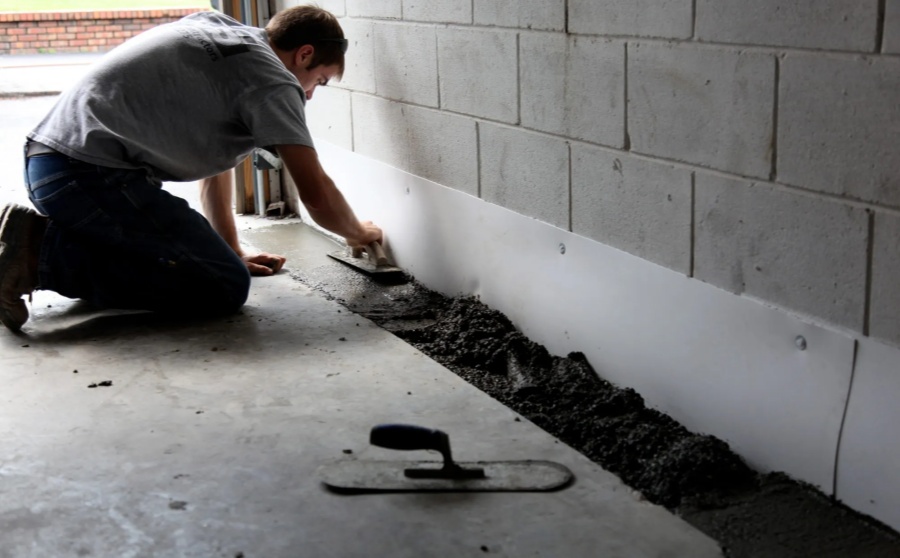
Why Do Basements Develop Water Problems?
Basement moisture can originate from several sources. Identifying the cause is essential because different problems require different repair methods.
Foundation Wall Leaks
Cracks in concrete or masonry foundation walls can allow groundwater to enter the basement.
These cracks may develop because of concrete shrinkage, soil pressure, settlement, or structural movement.
Common warning signs include:
- Damp areas along foundation walls.
- Water stains after heavy rainfall.
- White mineral deposits on concrete.
- Visible cracks with moisture around them.
- Peeling paint or damaged drywall.
Small nonstructural cracks may be repaired through professional injection methods. Larger cracks or those associated with foundation movement require further structural evaluation.
Poor Exterior Drainage
Water collecting around the foundation can increase moisture pressure against basement walls.
Common drainage problems include:
- Clogged gutters.
- Downspouts discharging too close to the house.
- Soil sloping toward the foundation.
- Blocked exterior drainage systems.
- Poorly maintained yard drains.
Correcting these problems may reduce basement moisture without requiring an extensive waterproofing project.
Groundwater Pressure
In some properties, groundwater levels rise during rainy seasons or after snowmelt.
When water pressure builds around the foundation, moisture may enter through wall cracks, floor joints, or porous concrete.
An interior drainage system or exterior waterproofing solution may be recommended depending on the property's conditions.
What Services Do Basement Waterproofing Companies Offer?
Professional contractors provide different solutions depending on the source and severity of the water problem.
A dependable contractor should explain which services are necessary and why. Homeowners should be cautious about companies that recommend expensive installations without first identifying the source of water.
How Much Does Basement Waterproofing Cost?
The cost of hiring a basement waterproofing contractor depends on the size of the property, foundation condition, water intrusion severity, materials, and labor requirements.
The following figures are general U.S. budgeting estimates, not guaranteed contractor quotes.
Average Basement Waterproofing Costs
Actual costs can be higher when excavation, structural repairs, difficult access, or extensive landscaping restoration is required.
Factors That Affect Contractor Quotes
Basement Size
Larger basements generally require more drainage materials, waterproofing products, and labor.
Foundation Condition
Damaged concrete, deteriorating masonry, and structural movement can increase repair costs.
Water Intrusion Severity
A small isolated leak may require limited repairs, while repeated flooding may require a complete drainage and pumping system.
Property Accessibility
Driveways, patios, landscaping, retaining walls, and underground utilities can make exterior excavation more complicated.
Local Labor Costs
Contractor prices vary by location, project complexity, and availability of qualified specialists.
For an accurate estimate, homeowners should request an on-site inspection and a detailed written proposal.
Interior vs. Exterior Waterproofing: Which Is Better?
Two common basement waterproofing approaches are interior and exterior systems. Both can help manage moisture, but they work differently.
Interior Basement Waterproofing
Interior systems collect water entering the basement and redirect it toward a drainage outlet or sump pump.
Typical components include:
- Perimeter drainage channels.
- Drain pipes beneath sections of the basement floor.
- A sump basin.
- A sump pump.
- Water discharge piping.
Advantages
- Usually requires less exterior excavation.
- Can be installed in many existing homes.
- Helps manage recurring groundwater intrusion.
- Causes less disruption to landscaping.
Disadvantages
- Does not necessarily prevent exterior foundation walls from becoming wet.
- Requires proper drainage and pump maintenance.
- May involve removing portions of basement flooring.
- Cannot resolve every structural foundation problem.
Exterior Basement Waterproofing
Exterior waterproofing focuses on preventing water from reaching the foundation walls.
Contractors may excavate around the foundation, repair cracks, apply waterproof membranes, install drainage boards, and improve soil conditions.
Advantages
- Addresses moisture penetration from outside.
- Protects foundation walls from direct groundwater exposure.
- Can be suitable for persistent exterior seepage.
- May be combined with foundation repairs.
Disadvantages
- Usually more expensive.
- Requires excavation around the property.
- May disturb landscaping, patios, and walkways.
- Limited equipment access can increase labor costs.
The right approach depends on the source of water, foundation condition, and property layout. A contractor should explain the benefits and limitations of each recommended method.
How to Choose the Right Basement Waterproofing Company
Choosing a contractor requires more than comparing advertised prices. Homeowners should evaluate experience, inspection quality, written estimates, insurance, and warranty coverage.
Verify Licensing and Insurance
Contractor licensing requirements vary by state and municipality.
Before signing an agreement, ask whether the company has:
- Required local or state contractor licenses.
- General liability insurance.
- Workers' compensation insurance.
- Experience with foundation waterproofing.
- Qualified personnel for specialized structural work.
These qualifications help reduce potential risks during installation.
Compare at Least Three Contractor Quotes
Obtaining multiple estimates can help homeowners understand local pricing and identify differences in proposed solutions.
Each estimate should include:
- Description of the moisture problem.
- Recommended waterproofing method.
- Materials and equipment.
- Labor and installation costs.
- Additional construction work.
- Cleanup and disposal.
- Warranty coverage.
- Payment schedule.
A significantly lower estimate may exclude important services or use a different installation method. Always compare the complete scope of work.
Check Previous Projects and Reviews
Look for contractors with experience handling similar basement conditions.
Review customer feedback for recurring complaints involving:
- Unexpected price increases.
- Incomplete repairs.
- Delayed installation.
- Poor communication.
- Warranty disputes.
Ask for examples of completed projects and references when appropriate.
Understand the Warranty
Waterproofing warranties differ between companies.
Before signing, confirm:
- How long the warranty lasts.
- Whether labor and materials are covered.
- Which parts of the system are included.
- Whether sump pumps have separate warranties.
- Whether the warranty transfers to a new homeowner.
- Which conditions may void coverage.
A long warranty is not automatically better if it contains extensive exclusions.
Questions to Ask Before Hiring a Contractor
Before approving a waterproofing project, homeowners should ask several practical questions.
What Is Causing the Water Problem?
The contractor should explain whether the moisture comes from groundwater, surface runoff, foundation cracks, condensation, or plumbing leaks.
Is the Recommended Solution Necessary?
Ask whether a smaller repair or drainage improvement could address the problem before committing to a complete waterproofing system.
What Is Included in the Final Price?
Confirm whether excavation, materials, labor, pump installation, cleanup, and restoration are included.
How Long Will Installation Take?
Ask for an estimated start date, project duration, and procedures for unexpected construction conditions.
What Happens If the Problem Returns?
Understand the warranty process, inspection requirements, and potential repair expenses.
Common Mistakes When Comparing Waterproofing Companies
Homeowners can avoid unnecessary expenses by watching for several common problems.
Choosing the Lowest Quote Automatically
A low estimate may exclude excavation, drainage materials, or important installation work.
Compare the complete project rather than the initial price.
Ignoring Exterior Drainage
Clogged gutters and poorly positioned downspouts can direct water toward the foundation.
Correcting these conditions may reduce moisture problems and prevent unnecessary construction.
Paying Too Much Upfront
Review the payment schedule carefully. Payments should correspond to agreed project milestones rather than requiring full payment before the work begins.
Accepting Verbal Promises
Important details should appear in the written contract, including installation methods, materials, costs, warranty terms, and additional work procedures.
Ignoring Maintenance
Sump pumps, drainage outlets, and other mechanical components require periodic inspection. Homeowners should understand how to maintain the installed system.
Frequently Asked Questions
How much does it cost to hire a basement waterproofing company?
Minor crack repairs may cost several hundred dollars, while comprehensive waterproofing projects can cost several thousand to tens of thousands of dollars. The final price depends on the property, water conditions, and installation method.
How long does basement waterproofing take?
Small repairs may take several hours. Interior drainage systems often require several days, while extensive exterior excavation can take a week or longer.
Does homeowners insurance cover basement waterproofing?
Standard homeowners insurance generally does not cover routine maintenance or gradual groundwater seepage. Coverage for sudden water damage depends on the policy, the source of water, and applicable exclusions.
Is interior or exterior waterproofing more affordable?
Interior waterproofing is often less expensive because it generally requires less excavation. However, the best solution depends on the actual source of water.
Can a waterproofing system increase home value?
A professionally installed system may make a property more attractive to buyers by addressing moisture concerns and documenting previous repairs. However, it does not guarantee a specific increase in market value.
How often should a sump pump be inspected?
Sump pumps should be tested periodically, particularly before rainy seasons. Check the pump, float switch, discharge line, and backup power arrangements.
Should I hire a waterproofing contractor or a foundation repair specialist?
Water intrusion and drainage problems may require a waterproofing contractor. Bowing walls, significant foundation cracks, or structural movement may also require evaluation by a qualified foundation repair specialist or structural engineer.
Conclusion
Hiring the right basement waterproofing company starts with understanding the source of moisture and choosing a solution that addresses the actual problem.
Some properties need simple crack repairs or drainage improvements, while others require interior drainage systems, exterior waterproofing, or sump pump installations.
Before making a decision, compare multiple written estimates, review contractor qualifications, understand warranty exclusions, and confirm the complete project cost.
A properly selected waterproofing solution can help reduce recurring moisture problems, protect basement materials, and support the long-term condition of your home.