Musty Basement Smell or Mold Problems? Get Professional Basement Waterproofing Help
Basement waterproofing companies identify water intrusion sources and offer solutions such as crack repairs, drainage systems, sump pumps, and waterproof membranes. The right approach depends on the property’s underlying moisture problem. Understanding methods, costs, contractor qualifications, and warranties helps homeowners compare proposals and choose suitable protection against water damage.
Common Signs Your Basement Needs Waterproofing
Basement water problems do not always begin with obvious flooding. Some warning signs appear gradually and become more expensive to fix over time.
1. Water Seeping Through Basement Walls
If you notice wet spots, water stains, or damp patches on foundation walls, groundwater may be entering through cracks or porous concrete.
The problem may become worse during heavy rain or when snow melts. Repeated moisture exposure can damage wall finishes and stored belongings.
2. Musty Smells and Mold Growth
A persistent musty smell may indicate excessive moisture, even when you cannot see standing water.
Mold can develop on drywall, wood, carpeting, and other damp materials. If the smell keeps returning after cleaning, the moisture source may still be present.
3. Cracks in Foundation Walls
Small foundation cracks can sometimes allow water to enter. Larger cracks, widening gaps, or cracks accompanied by water leakage deserve professional evaluation.
A waterproofing contractor can help determine whether crack sealing is sufficient or whether additional drainage or foundation work is necessary.
4. Water on the Basement Floor After Rain
If your basement repeatedly develops puddles after storms, the issue may involve groundwater pressure, poor exterior drainage, clogged gutters, or an inadequate drainage system.
Simply removing the water does not prevent another incident. Identifying the entry point is essential.
5. Peeling Paint and Damaged Flooring
Bubbling paint, warped flooring, damp carpets, and deteriorating baseboards can all indicate ongoing moisture exposure.
These problems may affect finished basements and increase the cost of restoring the space.
What Causes Basement Water Problems?
Understanding the cause helps homeowners avoid paying for the wrong repair.
Common causes include:
- Poor yard grading: Ground slopes toward the foundation, directing rainwater toward the basement.
- Clogged or short downspouts: Roof runoff collects near foundation walls.
- Foundation cracks: Water enters through openings in concrete or masonry.
- Hydrostatic pressure: Groundwater pressure pushes moisture through basement walls or floors.
- Failed drainage systems: Existing drains may be blocked, damaged, or improperly installed.
- High groundwater levels: Seasonal groundwater changes can increase basement moisture.
A reliable basement waterproofing company should investigate these conditions before recommending an expensive system.
How Much Does Basement Waterproofing Cost?
The cost depends on the size of the basement, the severity of the water problem, the repair method, accessibility, and local labor rates.
The following figures are general U.S. planning estimates. Actual contractor quotes can vary considerably.
What Affects the Final Price?
Several factors can increase the total project cost:
- Basement size and wall length
- Number and severity of foundation cracks
- Excavation and soil removal requirements
- Installation of drainage pipes or sump pumps
- Removal and replacement of damaged flooring or drywall
- Local permits and labor costs
For example, sealing one small crack is usually less expensive than excavating around an entire foundation to install an exterior waterproofing membrane.
Ask contractors to separate labor, materials, drainage work, and additional repairs in their written estimates.
Common Basement Waterproofing Solutions
Not every basement needs the same waterproofing system. The right method depends on how water enters the property.
Interior Waterproofing Systems
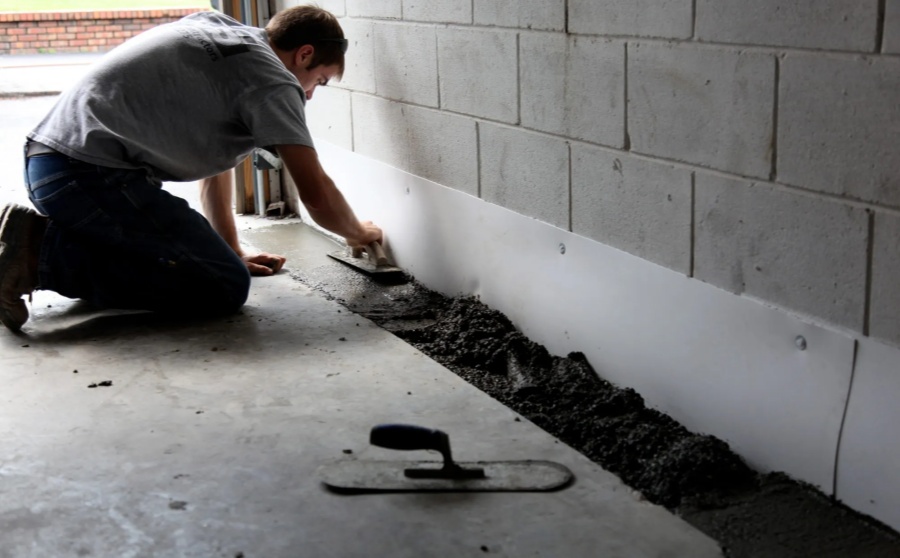
Interior waterproofing may include drainage channels installed along basement walls or beneath the floor.
These systems collect water and direct it toward a sump pump or another suitable discharge point.
Best for: Basements with recurring seepage or water entering along wall-floor joints.
Exterior Waterproofing
Exterior waterproofing typically involves excavating around foundation walls, applying a waterproof membrane, and improving drainage.
It can address water entry from outside the foundation, but excavation makes it a more involved project.
Best for: Properties with persistent exterior water intrusion or significant foundation moisture issues.
Foundation Crack Repair
Contractors may use specialized injection materials or other repair methods to seal certain foundation cracks.
The correct approach depends on the crack's size, location, and cause.
Best for: Localized leaks entering through identifiable cracks.
Sump Pump Installation
A sump pump collects water in a basin and pumps it away from the home through a discharge line.
It is often used with an interior drainage system to manage groundwater accumulation.
Best for: Basements with recurring groundwater intrusion or water collection.
Exterior Drainage Improvements
Gutters, downspouts, drain extensions, and proper yard grading can reduce the amount of water collecting near the foundation.
These improvements may be sufficient for some minor moisture problems, although they cannot solve every foundation leak.
Best for: Water problems related to roof runoff or poor surface drainage.
How to Choose the Right Basement Waterproofing Company
Hiring an inexperienced contractor can result in unnecessary repairs, incomplete work, and additional expenses.
Before signing a contract, compare several companies and evaluate the following factors.
1. Ask for a Detailed Inspection
A contractor should investigate the source of moisture rather than immediately recommend the most expensive system.
Ask what is causing the water intrusion and why the proposed repair is appropriate.
2. Compare Multiple Written Estimates
Request estimates from at least two or three qualified contractors when practical.
Compare:
- Scope of work
- Materials and equipment
- Labor costs
- Drainage and pump installation
- Additional repair charges
- Project timeline
A significantly cheaper quote may leave out important work.
3. Verify Licensing and Insurance
Licensing requirements vary by state and municipality. Check the applicable local requirements and verify that the contractor carries appropriate liability insurance and workers' compensation coverage where required.
4. Check Reviews and Previous Projects
Look for customer feedback about similar basement problems.
Pay attention to comments about communication, project completion, cleanup, unexpected costs, and whether the repair solved the original issue.
5. Understand the Warranty
Ask whether the warranty covers labor, materials, water intrusion, or specific installed systems.
Also confirm how long the warranty lasts, what exclusions apply, and whether it can transfer to a future homeowner.
Questions to Ask Before Hiring a Contractor
Before approving a waterproofing project, ask:
- What is the actual source of my basement water problem?
- Is interior or exterior waterproofing more appropriate?
- Will the proposed repair address the cause or only the symptoms?
- Are permits required for this project?
- What costs are not included in the estimate?
- How long will the work take?
- What warranty is provided?
- What happens if water continues entering after the repair?
Clear answers can help you avoid unnecessary expenses and understand exactly what you are paying for.
Is Basement Waterproofing Worth the Investment?
For homeowners experiencing recurring leaks, basement waterproofing can help protect the property from ongoing moisture damage.
It may help reduce the risk of:
- Repeated basement flooding
- Mold and moisture-related damage
- Deteriorating drywall and flooring
- Damage to stored furniture and personal belongings
- Costly repairs caused by prolonged water exposure
However, waterproofing is not automatically necessary for every basement. The best investment is a repair that matches the actual source and severity of the problem.
Find a Reliable Basement Waterproofing Company
If your basement smells musty, walls are damp, or water appears after every heavy rain, waiting may allow the damage to spread.
Start by arranging a professional inspection and comparing written estimates from qualified basement waterproofing companies.
Focus on contractors who explain the source of the problem, provide a clear repair plan, and offer transparent pricing and warranty terms.
Do not pay for a waterproofing system before understanding why your basement is leaking. Fixing the source of the water is the most important step toward protecting your home.