Waist Trainer for Women: Does It Work and Is It Worth Buying?
Waist trainers temporarily compress the midsection for a more defined waistline and smoother silhouette under clothing. Styles vary in materials, length, adjustability, and support. Choosing one depends on measurements, intended use, and comfort. They do not burn belly fat or permanently reshape the body, making realistic expectations and fit important.
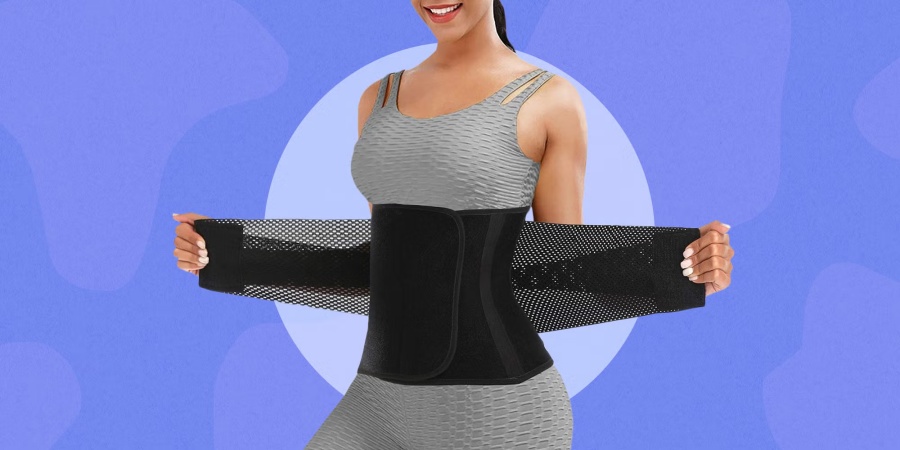
What Is a Waist Trainer for Women?
A waist trainer is a fitted garment worn around the abdomen and waist. It uses compression to create a tighter, more defined appearance around the midsection.
Most women's waist trainers are made from materials such as latex, nylon, spandex, neoprene, or compression mesh. Depending on the design, they may use hook-and-eye closures, adjustable straps, zippers, or back lacing.
Common features include:
- Adjustable compression levels
- Flexible or reinforced support panels
- Hook-and-eye fastening systems
- Stretchable fabrics
- Different torso lengths
- Smooth designs for wearing under clothing
Unlike ordinary shapewear, which is primarily designed to smooth the body's appearance, some waist trainers provide firmer compression and a more structured waistline.
The visible shaping effect is temporary and generally disappears after the garment is removed.
Popular Types of Waist Trainers for Women
Different waist trainers are designed for different preferences and occasions. Understanding their construction can help you select a style that suits your needs.
1. Latex Waist Trainer
Latex waist trainers are among the most recognizable styles. They usually feature a latex exterior, a fabric lining, and multiple rows of hook-and-eye closures.
Key features:
- Firm compression
- Adjustable fastening
- Structured waist support
- Available in different lengths
- Often designed for a defined silhouette
Latex styles may feel warmer and less breathable than fabric alternatives. Women with latex allergies should avoid products containing natural rubber latex.
2. Powernet Waist Trainer
Powernet waist trainers use a strong, stretchable mesh fabric designed to provide compression while allowing more airflow than some latex products.
Key features:
- Flexible construction
- Stretchable compression
- Lightweight feel
- Multiple closure options
- Suitable for occasional under-clothing wear
This style may appeal to women who prefer a softer feel rather than a rigid, heavily structured garment.
3. Neoprene Waist Trainer
Neoprene waist trainers are commonly marketed as sweat-enhancing waist wraps or workout accessories.
Key features:
- Thick compression material
- Adjustable hook-and-loop closures
- Flexible construction
- Often wider than traditional waist cinchers
These products can trap heat and increase sweating around the abdomen. Increased sweating does not mean increased belly-fat loss, and wearing restrictive compression during exercise may interfere with breathing and movement.
4. Steel-Boned Waist Trainer
Steel-boned waist trainers are structured garments with vertical support elements that help maintain their shape.
Key features:
- More rigid construction
- Defined waistline appearance
- Back-lacing or hook closures
- Structured support panels
- Traditional corset-inspired design
This type may be preferred for occasional styling or fashion purposes. Proper fitting is especially important because excessive tightening can cause discomfort and restrict normal movement.
5. Waist Cincher
A waist cincher is usually shorter than a full-length waist trainer and focuses on the waist area.
Key features:
- Compact design
- Easier to conceal under some outfits
- Adjustable compression
- Available in latex and fabric styles
Women who want a less bulky garment under dresses, tops, or fitted clothing may prefer a waist cincher.
6. High-Compression Waist Trainer Vest
A waist trainer vest covers more of the torso than a traditional waist belt. Some designs extend over the upper abdomen, back, or chest.
Key features:
- Wider torso coverage
- Multiple closure points
- Smooth silhouette under selected outfits
- Different levels of compression
The larger coverage area can make fit especially important. A vest should not interfere with normal breathing, arm movement, or comfortable sitting.
Waist Trainer vs. Waist Cincher vs. Shapewear
These products are often marketed toward similar customers, but they are not identical.
For women who mainly want clothing to fit more smoothly, conventional shapewear may be more comfortable than a heavily structured waist trainer.
For a more defined temporary waistline, a waist trainer or cincher may offer a firmer appearance while worn.
Potential Benefits of Wearing a Waist Trainer
Waist trainers have several appearance-related features that may appeal to women. However, their benefits should be distinguished from the weight-loss claims commonly used in advertising.
1. Temporary Waist Shaping
The main function of a waist trainer is to compress the midsection.
When properly fitted, it can create a temporarily narrower-looking waistline and a more defined silhouette under clothing.
This effect is cosmetic rather than permanent.
2. A Smoother Appearance Under Clothing
Some women prefer wearing compression garments beneath fitted dresses, tops, or formal outfits.
A suitable waist trainer may help smooth the appearance of the midsection, although a lighter shapewear garment may be more comfortable for extended use.
3. Adjustable Compression
Many waist trainers include multiple hook rows, adjustable straps, or lacing systems.
These features allow the wearer to change the fit within the product's intended sizing range.
Adjustability should not be used to force the waist into an uncomfortable level of compression.
4. Different Styles for Different Outfits
Waist trainers come in different lengths, colors, and constructions.
A shorter cincher may work better under certain tops, while a longer garment may provide broader coverage beneath selected outfits.
The right design depends on clothing, body proportions, and personal comfort.
Do Waist Trainers Help Women Lose Belly Fat?
No. Wearing a waist trainer does not directly burn belly fat or produce permanent weight loss.
Compression can temporarily change the appearance of the waist, but it does not selectively remove fat from the abdomen.
Some waist trainers are marketed as products that increase sweating and accelerate fat loss. However, sweating primarily causes temporary fluid loss. Rehydrating replaces that fluid.
A waist trainer should therefore not be treated as a weight-loss device, a substitute for exercise, or a method of permanently reducing waist measurements.
For long-term changes in body composition, sustainable nutrition habits, physical activity, and appropriate strength training are more reliable approaches.
How to Choose the Right Waist Trainer for Women
Selecting the right waist trainer involves more than choosing a color or style. Fit, construction, material, and comfort are important considerations.
1. Measure Your Natural Waist
Use a flexible measuring tape to measure your natural waist.
A common measurement point is around the narrowest part of your torso, often slightly above the belly button.
Stand naturally and breathe normally. Do not pull the measuring tape too tightly or suck in your stomach.
Compare the measurement with the specific manufacturer's sizing chart.
2. Choose the Correct Size
Do not automatically order a smaller size to achieve stronger compression.
A waist trainer that is too small may cause:
- Difficulty breathing
- Abdominal discomfort
- Skin irritation
- Restricted movement
- Excessive pressure when sitting
If your measurements fall between two sizes, follow the manufacturer's recommendations rather than assuming that the smaller option will provide better results.
3. Consider Torso Length
Waist trainers are available in short, standard, and long designs.
The correct length depends on the distance between your rib cage and hips.
A garment that is too long may dig into the ribs or roll when sitting. A garment that is too short may not provide the coverage you expect.
4. Compare Materials
Different materials offer different levels of compression and breathability.
Women with sensitive skin may prefer a soft lining and breathable construction.
5. Check the Closure System
Common closure systems include hook-and-eye fasteners, zippers, adjustable straps, and laces.
Hook-and-eye designs offer multiple fastening positions, while zippers can make garments easier to put on and remove.
Lacing systems provide adjustable tension but require careful adjustment to avoid excessive compression.
6. Look for Comfortable Construction
Before buying, check the product's stitching, seams, support panels, lining, and closure quality.
A well-designed garment should stay in place without digging into the skin or restricting ordinary movement.
How Much Does a Waist Trainer for Women Cost?
The price of a waist trainer varies according to material, construction, brand, and design.
The following are broad retail budgeting ranges rather than verified prices for specific products.
A higher price does not automatically mean better comfort or quality.
Before purchasing, compare the fabric composition, sizing information, return policy, customer feedback, and warranty terms.
Where to Buy Waist Trainers for Women
Women can find waist trainers through online retailers, shapewear brands, lingerie stores, and specialty clothing shops.
When comparing products, consider the following factors.
Online Retailers
Online marketplaces offer a wide range of styles, sizes, and price points.
They can be useful for comparing multiple designs, but product descriptions and sizing charts should be checked carefully.
Shapewear Brands
Specialized shapewear brands may offer more detailed product information, including compression levels, material composition, garment length, and fit recommendations.
Check whether the brand provides a clear return or exchange policy.
Lingerie and Clothing Stores
Physical stores allow customers to examine materials and construction before purchasing.
Where fitting is available, this can help identify whether a garment feels comfortable and fits properly.
Safety Tips for Wearing a Waist Trainer
A waist trainer should never be tightened to the point of pain or restricted breathing.
Medical experts have raised concerns about prolonged or excessive compression, including possible breathing difficulties, digestive discomfort, skin irritation, and nerve-related symptoms.
For cosmetic use, consider these precautions:
- Choose a size that allows normal breathing and movement.
- Avoid excessive tightening.
- Do not sleep in a waist trainer.
- Avoid wearing restrictive waist trainers during exercise.
- Remove the garment if you experience pain, numbness, tingling, heartburn, or shortness of breath.
- Keep the skin clean and dry.
- Stop using the product if it causes persistent irritation.
- Consult a healthcare professional if you have a medical condition, recent surgery, or pregnancy-related concerns.
Postoperative abdominal binders and medically prescribed compression garments are different from cosmetic waist trainers. Follow your healthcare professional's instructions if you need compression for a medical reason.
Frequently Asked Questions About Waist Trainers for Women
Can a waist trainer make your waist permanently smaller?
There is no reliable evidence that cosmetic waist trainers permanently reduce waist size. They create a temporary compressed appearance while being worn.
Can women wear waist trainers every day?
Long periods of restrictive compression are not recommended. Frequent or prolonged use may cause discomfort and other health concerns. For cosmetic use, occasional short-term wear is a more cautious approach.
Can you sleep in a waist trainer?
No. Sleeping in a restrictive waist trainer is not recommended because it can maintain unnecessary pressure on the abdomen and interfere with comfortable breathing.
Should you wear a waist trainer while exercising?
Restrictive waist trainers are not recommended during workouts. They can interfere with normal breathing, movement, and exercise comfort. Increased sweating around the abdomen does not mean increased fat loss.
What is the difference between a waist trainer and a postpartum belly wrap?
A cosmetic waist trainer is designed primarily for temporary shaping. A postpartum abdominal binder is a different type of garment that may be recommended for specific recovery needs.
Women recovering from childbirth or surgery should consult their healthcare provider before using compression garments.
How do you know if a waist trainer is too tight?
Warning signs include pain, difficulty breathing, numbness, tingling, reflux, skin irritation, or discomfort when sitting or moving.
A properly fitted garment should not produce these symptoms. Remove it if any occur.
Final Thoughts
A waist trainer for women can provide a temporary hourglass appearance, smooth the midsection under selected outfits, and offer different styling options depending on its construction.
Latex, Powernet, neoprene, steel-boned corsets, and waist cinchers each offer different materials and compression characteristics.
The best choice depends on your measurements, clothing preferences, desired appearance, and comfort requirements.
Before purchasing, compare sizing charts, material quality, closure systems, and customer reviews. Most importantly, treat a waist trainer as a temporary shaping garment rather than a product for permanent fat loss or body transformation.