How to Find $300 Senior Apartments: Eligibility & Application Guide
Discover how to find $300 senior apartments through HUD programs, public housing agencies, and affordable rental communities. Compare eligibility, application steps, waiting lists, and housing assistance options.
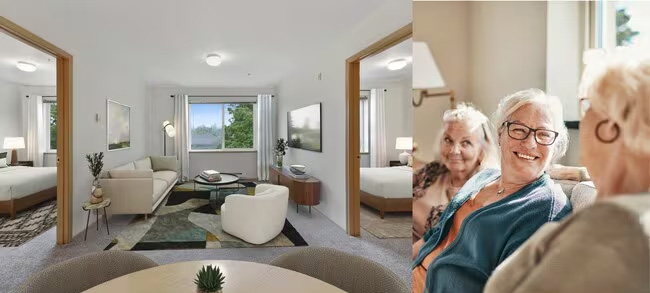
Introduction to $300 Senior Apartments
Older adults living on retirement income or limited monthly benefits may search for senior apartments with rent around $300. These housing opportunities may involve subsidized communities, public housing, income-restricted apartments, or rental assistance programs.
However, $300 is not a standard rental rate. Actual tenant payments depend on household income, program eligibility, utility arrangements, and property availability.
Understanding where to search and how housing applications work can help narrow available options.
Where to Find $300 Senior Apartments
1. HUD Housing Resources
The Department of Housing and Urban Development provides information about subsidized and affordable rental properties.
Housing searches may include:
- Section 202 senior housing
- Income-restricted apartments
- Affordable senior communities
- Properties accepting rental assistance
Online housing resources do not always display current vacancies or waiting-list openings. Property management should be contacted directly to verify availability.
2. Local Public Housing Agencies
Public Housing Agencies administer public housing and Housing Choice Voucher applications.
Local agencies can provide information about:
- Senior-designated housing
- Income eligibility
- Application procedures
- Waiting-list status
- Rental assistance programs
Availability and application requirements vary by agency.
3. Nonprofit Housing Organizations
Nonprofit organizations may develop or manage affordable housing communities for older adults.
Some properties offer income-restricted rentals or participate in government-supported housing programs. Age requirements, rental calculations, and available services should be confirmed directly.
Housing Programs to Compare
Section 202 Supportive Housing
Section 202 supports rental housing for very low-income older adults. Eligible households generally need at least one member aged 62 or older and must meet applicable income requirements.
Some communities provide access to voluntary supportive services, such as service coordination and connections to local resources.
Housing Choice Vouchers
Housing Choice Vouchers help eligible households rent privately owned housing. The tenant contributes an amount calculated under program rules, while the housing agency provides an approved subsidy.
The property must meet program requirements and accept the voucher arrangement.
Low-Income Housing Tax Credit Properties
The Low-Income Housing Tax Credit (LIHTC) program supports affordable rental housing.
Participating properties apply income and rent restrictions. Rent is generally based on designated income and unit limits rather than automatically calculated from each resident's actual monthly income.
How to Check Eligibility
Age and Household Requirements
Some senior housing developments use 55-plus occupancy rules, while others require residents to be at least 62.
The property's written admission policy should be reviewed before applying.
Income Requirements
Housing programs may consider household size, annual income, and applicable financial information.
Common income sources include:
- Social Security retirement benefits
- Supplemental Security Income (SSI)
- Pension payments
- Employment income
- Other qualifying recurring income
Income limits vary by location and household size.
Common Application Documents
Additional documentation may be requested by the housing provider.
How to Apply for $300 Senior Apartments
Step 1: Search Available Properties
Use official housing resources and local agency directories to identify properties matching age and budget requirements.
Step 2: Contact Property Management
Ask whether applications are open and whether income-based or subsidized apartments are available.
Important questions include:
- Is the waiting list open?
- What age requirements apply?
- What income limits are used?
- How is monthly rent calculated?
- Which utilities are included?
Step 3: Prepare and Submit an Application
Complete the required forms and provide accurate household and financial information. Some properties accept applications directly, while others use housing agency procedures.
Step 4: Follow Up on Waiting Lists
Keep application confirmation details and update contact information when necessary. Waiting-list placement does not guarantee immediate occupancy.
Step 5: Review the Lease
Before accepting a unit, confirm monthly rent, utilities, deposits, renewal terms, and additional charges.
What Does a $300 Housing Budget Include?
A $300 tenant rent contribution does not necessarily cover all household expenses.
Review the lease and utility allowance information to understand the complete monthly cost.
Tips for Comparing Affordable Senior Apartments
Location: Consider access to healthcare facilities, grocery stores, pharmacies, and public transportation.
Accessibility: Review entrances, elevators, bathrooms, lighting, and building layouts.
Property Management: Check maintenance arrangements and communication procedures.
Community Features: Compare laundry facilities, common areas, transportation, and optional activities.
Financial Conditions: Evaluate rent, utilities, deposits, and additional service charges.
A property should be evaluated according to both affordability and everyday residential needs.
Frequently Asked Questions (FAQ)
1. How Can $300 Senior Apartments Be Found?
Search HUD housing resources, contact local Public Housing Agencies, and review nonprofit housing providers. Confirm rental calculations and vacancies directly with each property.
2. Are $300 Apartments Available for Seniors on Social Security?
Some income-based arrangements may result in tenant payments around $300, depending on benefit income, deductions, and program calculations.
3. What Is the Minimum Age for Senior Apartments?
Requirements vary. Some communities follow 55-plus housing rules, while others are designed for residents aged 62 or older.
4. Is Section 202 the Same as Section 8?
No. Section 202 supports housing developments for very low-income older adults. Section 8 Housing Choice Vouchers provide rental assistance for eligible households renting approved private housing.
5. Are Affordable Senior Apartments Available Without a Waiting List?
Availability varies. Some properties accept applications continuously, while others maintain waiting lists or temporarily close applications.
6. Can Senior Apartments Include Utilities?
Some communities include selected utilities in rent, while others bill residents separately. Confirm these arrangements before signing a lease.
Conclusion: Finding Affordable Senior Housing
Finding $300 senior apartments involves comparing housing programs, checking income requirements, and contacting property managers.
Section 202, public housing, Housing Choice Vouchers, and income-restricted properties offer different approaches to affordable rental housing. Each has separate eligibility rules and application procedures.
Reviewing official resources, preparing financial documents, and comparing complete monthly expenses can help identify suitable housing opportunities.
Official Resources: