Senior Apartments: 55+ vs. 62+ Housing, Costs & Eligibility
Discover senior apartment options, including 55+ and 62+ communities, eligibility requirements, amenities, and application steps. Compare independent living and affordable housing options to evaluate suitable residences.
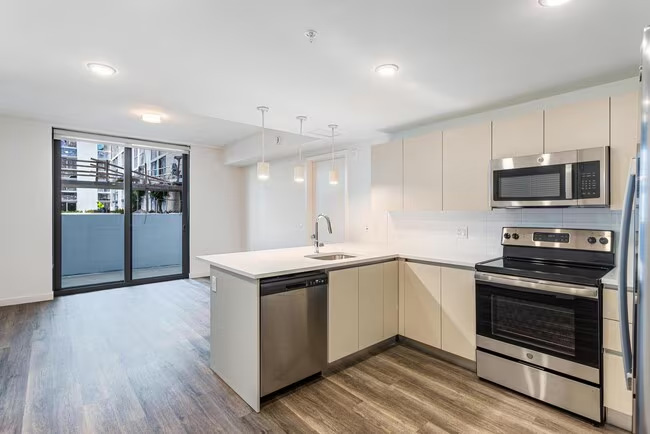
What Are Senior Apartments?
Senior apartments are residential housing options designed for older adults seeking independent living in communities with age-related occupancy requirements.
These properties commonly provide private apartments, shared recreational areas, accessible building features, and opportunities for social interaction.
Housing options range from conventional market-rate rentals to subsidized apartments for income-eligible residents. Some communities offer additional services, while others provide residential space without personal care or medical support.
Understanding the differences between senior housing categories can help identify properties that match residential preferences, financial circumstances, and daily living needs.
Types of Senior Apartments
Senior housing includes several property categories with different services, admission requirements, and pricing arrangements.
1. Independent Senior Apartments
Independent senior apartments are designed for residents who can generally manage daily activities without ongoing personal assistance.
Common features include private living spaces, community facilities, laundry areas, and optional recreational activities.
Some communities provide additional services such as transportation, housekeeping, or meal arrangements. These services may involve separate charges.
2. 55 Plus Apartments
55-plus apartments are age-restricted housing communities intended for older adults.
Under the federal housing-for-older-persons exemption, qualifying 55-plus communities must meet specific requirements, including having at least 80% of occupied units contain at least one resident aged 55 or older.
These communities may offer:
- Private apartments and shared spaces
- Community events and social activities
- Fitness and recreational facilities
- Outdoor gathering areas
- Age-friendly building features
Individual properties establish their own admission procedures and occupancy policies within applicable requirements.
3. 62 Plus Senior Apartments
62-plus apartments are designed for residents who meet the applicable age requirements.
Some properties operate under affordable housing programs, while others use market-based rental arrangements.
Eligibility, apartment availability, income restrictions, and application procedures depend on the specific property and housing program.
4. Affordable Senior Housing
Affordable senior housing includes income-restricted rental properties and government-supported housing options.
HUD Section 202 Supportive Housing for the Elderly is one example. The program supports rental housing for very low-income older adults, generally requiring at least one household member to be aged 62 or older.
Eligible properties may also offer voluntary services such as service coordination and access to community resources.
Senior Apartment Eligibility Requirements
Admission requirements vary by community, housing category, and funding arrangement.
Age Requirements
Some communities use 55-plus occupancy policies, while others require residents to be at least 62 years old.
The exact age rules should be reviewed in the property's written admission policy.
Income Requirements
Market-rate apartments generally use property-specific rental and screening criteria.
Subsidized senior housing may impose income limits based on household size and local area income standards.
Applicants may need to provide financial documentation, including:
- Income statements
- Social Security benefit information
- Pension records
- Bank and asset information
- Other requested financial documents
Additional Application Conditions
Properties may also review rental history, household composition, references, and other lawful screening criteria.
Requirements differ between communities, so eligibility should be confirmed directly with property management.
Senior Apartment Comparison
Assisted living should not be confused with ordinary senior apartments. Assisted living typically involves personal support services, while traditional senior apartments primarily provide residential accommodation.
Amenities and Accessibility Features
Apartment design and community facilities can influence residential convenience and suitability.
Common Senior Apartment Amenities
- Elevators and accessible entrances
- Handrails and well-lit common areas
- Community rooms and activity spaces
- Laundry facilities
- Fitness and recreational areas
- Parking and outdoor spaces
- Maintenance and management services
Accessibility Considerations
During a property visit, evaluate hallway width, bathroom layout, entrance design, lighting, flooring, and elevator access.
For residents with mobility concerns, features such as step-free entrances, accessible bathrooms, and convenient building layouts may deserve particular attention.
Amenities and accessibility features vary by property and should be verified before signing a lease.
How to Find and Apply for Senior Apartments
Finding a suitable apartment generally involves comparing available properties, reviewing admission requirements, and completing an application.
Step 1: Define Housing Preferences
Determine the preferred apartment size, monthly budget, location, accessibility requirements, and desired amenities.
Step 2: Compare Available Properties
Review rental listings, property websites, local housing resources, and community management information.
Step 3: Check Eligibility
Confirm age requirements, income limits, household rules, and application documentation.
Step 4: Arrange a Property Visit
Evaluate apartment condition, building access, common areas, transportation, and nearby services.
Step 5: Review the Lease
Before signing, examine rent, deposits, utilities, renewal terms, maintenance responsibilities, and additional charges.
Step 6: Submit the Application
Complete the required forms and provide supporting documents. Affordable housing properties may have waiting lists or additional verification procedures.
Important Factors When Choosing Senior Apartments
Selecting a property involves more than comparing rent and amenities.
The level of independence supported by the property is also important. Residents who need regular assistance with daily activities may need to compare assisted living or other supportive housing arrangements.
Frequently Asked Questions (FAQ)
1. What Is the Difference Between Senior Apartments and Independent Living?
Senior apartments primarily provide residential accommodation. Independent living communities may also offer optional meals, housekeeping, transportation, and organized activities.
2. What Age Is Required for Senior Apartments?
Age requirements depend on the property. Some communities follow 55-plus housing rules, while others are designed for residents aged 62 or older.
3. Are Senior Apartments Income Restricted?
Some senior apartments use market-rate rents, while affordable housing properties impose income and other eligibility requirements.
4. How Can Affordable Senior Apartments Be Found?
HUD housing resources, local Public Housing Agencies, and property management offices can provide information about subsidized housing options and application procedures.
5. Do Senior Apartments Include Meals and Housekeeping?
Traditional senior apartments generally do not automatically include meals or housekeeping. Some communities offer these services separately.
6. Can Residents Bring Pets?
Pet policies differ between communities. Restrictions, deposits, and additional fees may apply.
7. What Documents Are Needed to Apply?
Common documents include identification, income records, financial statements, rental history, and other materials requested by property management.
Conclusion: Finding Suitable Senior Apartment Options
Senior apartments offer different housing arrangements for older adults seeking independent residential living. Options include independent apartments, age-restricted communities, and income-restricted housing programs.
Comparing age requirements, monthly expenses, amenities, accessibility, and lease conditions can help narrow available choices. Reviewing property-specific policies and visiting potential communities can provide additional information before making a housing decision.