Are Fat-Dissolving Injections Safe?|Side Effects, Risks and Important Precautions
Fat-dissolving injections are often promoted as a non-surgical way to reduce localized fat, especially beneath the chin. Although certain injectable treatments have been approved for specific uses, they are not risk-free. Understanding common side effects, possible complications, product approval and provider qualifications is essential before considering treatment.
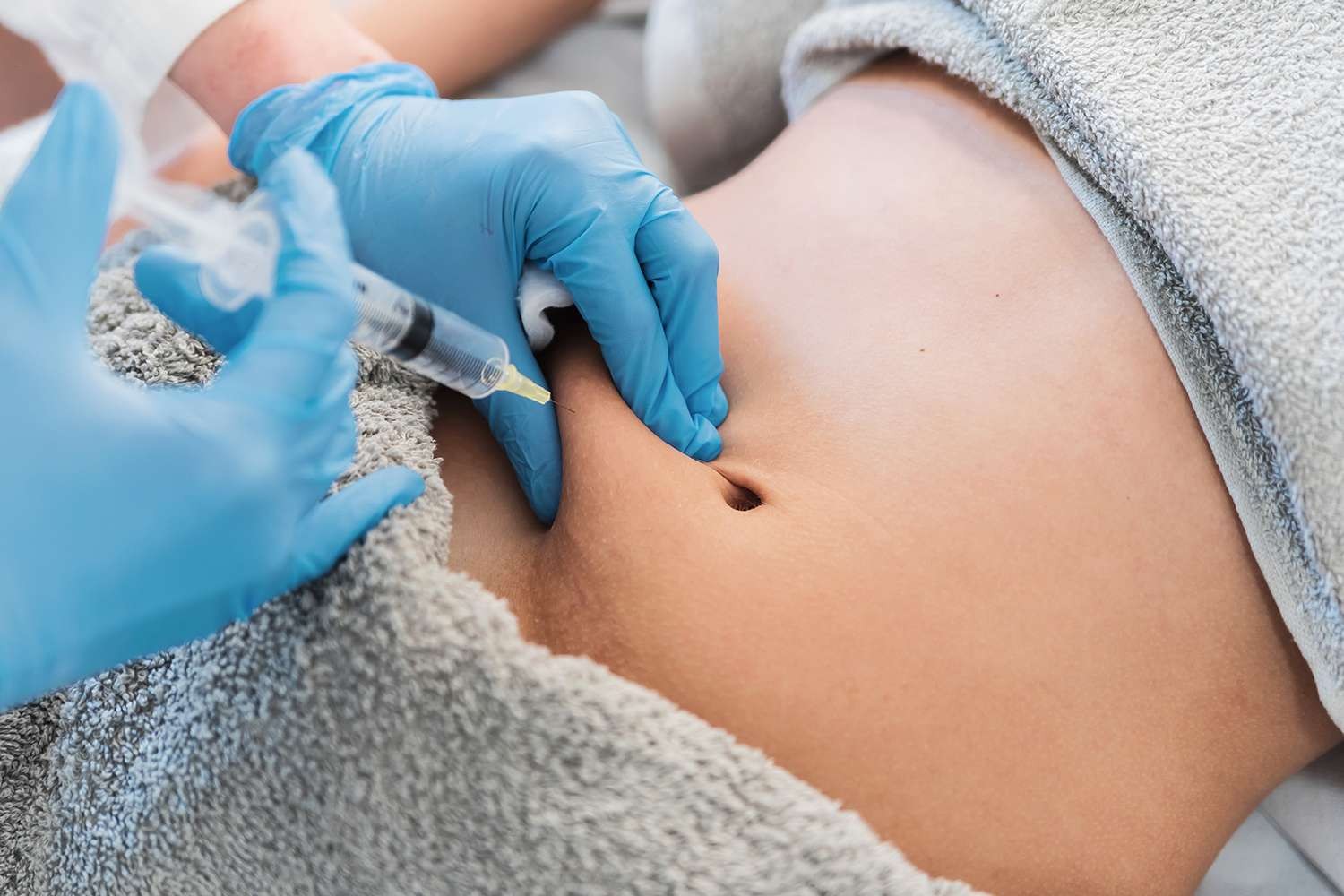
What Are Fat-Dissolving Injections?
Fat-dissolving injections, also known as injection lipolysis, use substances injected into fatty tissue to damage fat cells. The body gradually processes the affected cells after treatment.
In the United States, Kybella is an FDA-approved prescription injectable containing deoxycholic acid. Its approved use is to improve the appearance of moderate to severe fat beneath the chin in adults. This approval does not extend to other body areas or to every product marketed as a fat-dissolving injection.
Are Fat-Dissolving Injections Safe?
The safety of treatment depends on the specific product, the area being treated, the injection technique and the individual's health. An FDA-approved product used for its approved purpose by a qualified healthcare professional has a different safety profile from an unapproved product or an injection performed by an unqualified provider.
Even when treatment is appropriate, side effects can occur. A consultation should include a review of medical history, an explanation of potential complications and a discussion of whether the expected benefits justify the risks.
Common Side Effects
Most side effects occur around the injection area. With Kybella, commonly reported reactions include:
- Swelling and bruising
- Pain or tenderness
- Numbness or tingling
- Redness and skin firmness
- Temporary itching or warmth
Swelling can be noticeable and may last for several days or longer. Some reactions, including numbness and firmness, can persist for weeks. The intensity and duration vary between individuals.
Potential Serious Risks
Although less common, some complications require medical attention. These include:
- Nerve injury: Damage near the lower jaw may cause an uneven smile or temporary facial muscle weakness.
- Difficulty swallowing: Swelling and inflammation around the treatment area can make swallowing uncomfortable or difficult.
- Skin damage: Incorrect injection depth or placement may cause ulceration, tissue death or scarring.
- Infection: Injection sites can become infected and may develop painful lumps, abscesses or other complications.
- Persistent nodules: Firm lumps or masses may remain after treatment and sometimes require medical intervention.
The FDA's September 2026 safety communication also highlighted serious reactions associated with injecting Kybella outside the approved under-chin area, including muscle or nerve injury and vision-related problems.
Are Unapproved Fat-Dissolving Injections Risky?
Not all products advertised as fat-dissolving injections have undergone FDA evaluation. The agency has warned about unapproved products marketed under names such as Aqualyx, Lipodissolve and Lipo Lab.
Reported complications include serious infections, permanent scars, skin deformities, cysts and painful lumps beneath the skin. Online availability or promotion by a clinic does not mean a product has been proven safe or effective.
Who Should Be Careful Before Treatment?
A medical consultation is particularly important for people with an infection near the planned injection site, a history of swallowing difficulties, bleeding problems or previous reactions to injectable products.
People taking blood-thinning or antiplatelet medication should discuss this with their healthcare professional. Do not stop prescribed medication without medical advice. Anyone with relevant medical conditions or concerns should receive an individual assessment before proceeding.
Important Precautions Before and After Treatment
Before treatment, verify the product name, its approval status and the provider's qualifications. Ask whether the proposed treatment area is covered by the product's approved use and request a clear explanation of possible complications.
After treatment, follow the provider's care instructions and avoid additional injections until the treatment area has been assessed. Seek prompt medical attention for worsening pain, spreading redness, fever, unusual skin discoloration, persistent lumps or signs of infection. Facial weakness or difficulty swallowing should also be assessed promptly.
How to Choose a Qualified Provider
Choose a licensed healthcare professional with appropriate training and experience in injectable treatments. A reliable provider should explain the expected benefits and limitations, discuss alternatives and provide clear information about the product being used.
Be cautious of unusually cheap offers, guaranteed results, vague ingredient lists or providers who encourage purchasing products online for self-injection. Treatment should never be performed at home.
Final Thoughts
Fat-dissolving injections may be suitable for certain cosmetic concerns, but their safety depends on product approval, treatment location and professional administration. Even approved treatments can cause side effects, while unapproved products may carry additional risks.
Before making a decision, consult a qualified healthcare professional, confirm the product's regulatory status and understand the potential complications. A careful assessment is more important than choosing treatment based only on price or advertised results.