Fat-Dissolving Injection: How It Works, Treatment Options and What to Consider
Fat-dissolving injections are a non-surgical cosmetic treatment designed to reduce small, localized fat deposits. They are often discussed as an option for improving the appearance of areas such as the double chin. Understanding how the treatment works, its limitations, potential costs and safety considerations can help people make more informed decisions.
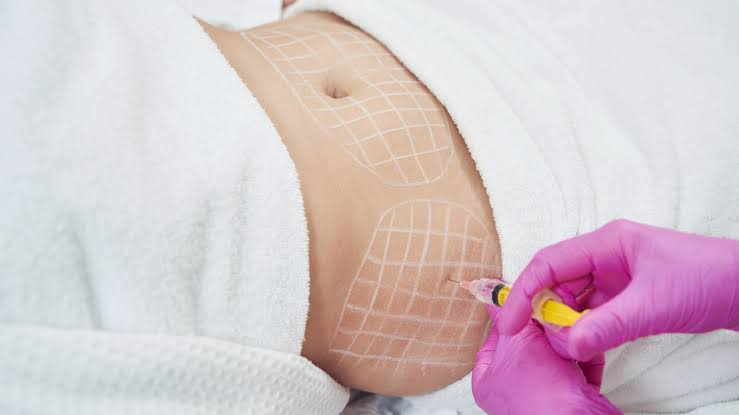
What Are Fat-Dissolving Injections?
Fat-dissolving injections, also known as injection lipolysis, involve injecting substances into fatty tissue to damage fat cells. The body gradually processes the affected cells after treatment.
One well-known prescription option in the United States is Kybella, which contains deoxycholic acid. It is FDA-approved for improving moderate to severe fat beneath the chin in adults. It is not approved for treating fat in other body areas.
How Do Fat-Dissolving Injections Work?
The active ingredient in deoxycholic acid helps break down the membranes of fat cells. After the cells are damaged, the body gradually clears the cellular debris through natural processes.
Results do not usually appear immediately. Swelling and tenderness can occur after treatment, and the visible contour may change gradually over several weeks.
Common Treatment Areas
The most established FDA-approved use is for submental fat, commonly called a double chin. Some clinics advertise injections for areas such as the abdomen, thighs and upper arms, but these uses may involve products or applications that have not been evaluated or approved by the FDA.
It is important to distinguish between a treatment being advertised and a treatment being supported by regulatory approval and clinical evidence.
How Many Treatment Sessions Are Needed?
The number of sessions depends on the treatment area, the amount of fat and the individual's response. For Kybella, eligible adults may receive up to six treatments, with each session scheduled at least one month apart.
Not everyone needs the maximum number of sessions. A qualified healthcare professional should assess the area and discuss realistic expectations before treatment.
What Factors Affect Treatment Costs?
The total cost can vary depending on the clinic, provider experience, treatment area and number of sessions required. Larger treatment areas or multiple sessions may increase the overall expense.
Before proceeding, ask for a complete cost estimate that includes consultation fees, the product used and any follow-up appointments. Comparing prices alone may not reflect differences in product quality or provider qualifications.
Potential Benefits and Limitations
Fat-dissolving injections may appeal to people who want a non-surgical option for a small, localized fat deposit. They generally do not involve the same surgical process as liposuction.
However, they are not a weight-loss treatment and are not designed to address obesity or widespread body fat. Results can also vary, and several sessions may be needed.
Risks and Safety Considerations
Common side effects of Kybella include swelling, bruising, pain, numbness, redness and firmness around the injection area. More serious complications can include nerve injury, difficulty swallowing, tissue damage and persistent lumps or masses.
The FDA has also warned about unapproved fat-dissolving injections marketed online. Reports have included serious infections, permanent scars, skin deformities and painful lumps. Products should never be purchased for self-injection.
How to Choose a Qualified Provider
Before treatment, check the provider's medical qualifications and experience with injectable procedures. Ask which specific product will be used, whether it is approved for the intended treatment area and what risks apply.
A consultation should include an assessment of your suitability, a discussion of realistic outcomes and clear aftercare instructions. Avoid providers who promise guaranteed results or cannot explain the product being injected.
Final Thoughts
Fat-dissolving injections may be an option for certain localized fat concerns, particularly beneath the chin when an approved product is used appropriately. However, treatment suitability, product approval and provider qualifications are essential considerations.
Learning about the procedure, understanding its limitations and discussing individual risks with a qualified healthcare professional can help you make a more informed cosmetic treatment decision.