Guide to Used Convertible Cars: Prices, Models, and Buying Tips
A used convertible can deliver open-air driving without the steep price of a new drop-top, and the market offers everything from affordable roadsters to luxury cruisers. Whether you're drawn to a nimble two-seater or a four-seat muscle car, knowing typical price ranges, which models hold up well, and what to inspect before you buy can make the search much smoother. This guide covers popular used convertible options, realistic pricing, top styles, and the checks that matter most.
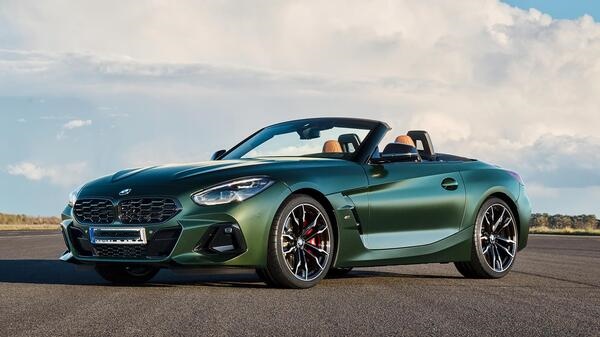
What Used Convertibles Typically Cost
Used convertible prices vary widely based on age, mileage, condition, and brand. As a general picture, older mainstream models such as a well-kept MINI Convertible from the mid-2010s often list under $15,000, while a used Mazda MX-5 Miata from recent model years commonly falls in the $20,000 to $30,000 range. Used Ford Mustang convertibles span a broad band depending on engine and trim, and a late-model BMW 4 Series convertible frequently lists from the high $30,000s into the $40,000s or more.
Convertibles often carry a modest price premium over their coupe equivalents in the used market, and condition plays an outsized role because the roof mechanism and interior weather exposure affect value. Prices also shift by region and season, so treat any figure as a starting point rather than a fixed number.
Popular Used Convertible Models to Consider
Several models show up repeatedly on shoppers' shortlists because they combine reliability, availability, and driving enjoyment. Here is a look at some of the most common options, grouped by character rather than ranked in any strict order.
Mazda MX-5 Miata. The Miata is the benchmark affordable roadster. Recent generations use a 2.0-liter four-cylinder making 181 horsepower, weigh around 2,300 to 2,500 pounds, and return roughly 29 mpg combined. Its simple design and strong reliability record make it one of the safest used-convertible picks, though it seats only two and cargo space is about 4.5 cubic feet.
Ford Mustang Convertible. The Mustang offers four seats and a choice between a turbocharged four-cylinder and a V8 in GT trims. Used examples are plentiful across many model years, which gives buyers flexibility on price and performance.
Chevrolet Camaro Convertible. Chevrolet ended Camaro production after the 2024 model year, so every example is now a used car. That keeps supply steady for now, with V6 and V8 options for drivers who want classic American muscle with the top down.
BMW 4 Series Convertible. For a more premium experience, the 430i pairs a 255-horsepower turbo four-cylinder with a folding soft top and a refined interior, while the M440i steps up to a turbocharged inline-six. Maintenance costs run higher than mainstream brands, so service history matters.
MINI Convertible. The MINI is a fun, city-friendly four-seater that often represents the lowest entry price into relatively modern convertible ownership.
These bands reflect general market patterns rather than guaranteed figures. Mileage, trim, condition, and local demand can move any individual car well above or below them.
Soft Top vs. Retractable Hardtop
One of the first decisions is roof style. A traditional fabric soft top is lighter, simpler, and cheaper to repair, and it usually preserves more trunk space. The tradeoff is more road noise, slightly less security, and fabric that wears, fades, or can be damaged over time.
A retractable hardtop, like the one on the Mazda MX-5 Miata RF, folds a rigid roof away in roughly 13 seconds at the push of a button and offers coupe-like quietness when closed. The downsides are added weight, more complex mechanics, and pricier repairs if the folding system fails. Many modern convertibles, including the current Mustang and BMW 4 Series, have returned to well-insulated soft tops, so a fabric roof no longer means a drafty cabin.
What to Inspect Before Buying
The roof is the single most important area on any used convertible. Operate the top through several full cycles and watch for slow movement, uneven folding, hydraulic fluid stains, or warning lights. On fabric tops, check for tears, shrinking, separating seams, and a cloudy or cracked rear window.
Water intrusion is the other big concern. Look for damp carpets, musty smells, stained headliner edges, and rust in the trunk or under floor mats, since clogged drainage channels around the roof can let water pool inside the car. A few additional checks round out a smart inspection:
- Review service records, especially for the roof mechanism and scheduled maintenance.
- Get a vehicle history report to check for accidents, flood damage, or title issues.
- Have a trusted mechanic perform a pre-purchase inspection, ideally one familiar with the brand.
- Test drive with the top both up and down to listen for rattles, wind leaks, and body flex.
When and Where to Shop
Convertible demand follows the seasons. Prices tend to peak in spring and early summer when warm weather sparks interest, and shoppers who browse in fall and winter often find more motivated sellers and a little extra room to negotiate. Shopping in the off-season takes patience, since selection can thin out, but the savings can be real.
Buyers generally choose between franchised dealerships with certified pre-owned programs, independent used-car lots, online retailers such as Carvana or CarMax, and private sellers. Certified pre-owned cars cost more but typically include an inspection and extended warranty coverage, while private-party purchases often offer the lowest prices with the least protection. Comparing the same model across at least two channels gives you a realistic sense of market value before making an offer.
Ownership Costs to Plan For
The purchase price is only part of the budget. Convertibles can cost a bit more to insure than comparable coupes, and it's worth getting an insurance quote on a specific vehicle before committing. Roof maintenance deserves its own line item: fabric tops benefit from periodic cleaning and protectant, drainage channels need to stay clear, and a replacement soft top can run from several hundred dollars for parts on a simple Miata top to well into four figures installed on premium models.
Performance-oriented models add their own costs. A V8 Mustang or Camaro uses more fuel than a Miata's efficient four-cylinder, premium brands like BMW typically require pricier parts and labor, and some engines recommend premium gasoline. Factoring fuel, insurance, and maintenance alongside the payment gives a clearer picture of what a car truly costs each month.
Putting It All Together
The best used convertible is the one that fits how you'll actually drive. If weekend back-road fun is the goal, a Miata is hard to beat on value and reliability. If you need rear seats or highway comfort, a Mustang, Camaro, or 4 Series makes more sense. Set a realistic total budget, shop in the off-season if you can, inspect the roof carefully, and lean on a pre-purchase inspection for peace of mind. With those boxes checked, top-down driving can be one of the most enjoyable and surprisingly attainable corners of the used-car market.