Laser Lipolysis vs. Traditional Liposuction: What's the Difference?|Compare Treatment Methods, Recovery and Costs
Laser lipolysis and traditional liposuction are both used to improve body contours by addressing localized fat, but they work in different ways. Laser lipolysis uses laser energy to heat and disrupt fat cells, while traditional liposuction physically removes fat through a small tube and suction. Understanding the differences in treatment methods, recovery time, costs, results, and potential risks can help you decide which option may be more appropriate for your body-contouring goals.
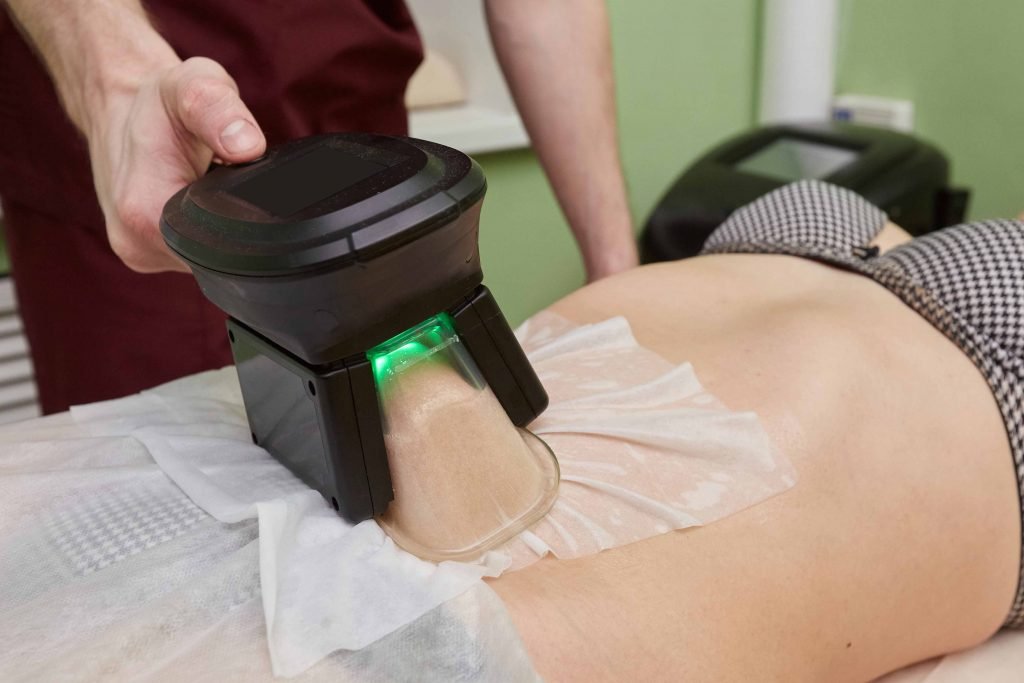
What Is Laser Lipolysis?
Laser lipolysis is a fat-reduction technique that uses laser energy to target localized fat beneath the skin. The heat generated by the laser can disrupt fat cells, allowing the body to gradually process the treated tissue.
There are different types of laser-based fat-reduction procedures. Some use an external applicator without making incisions, while minimally invasive laser-assisted procedures introduce a thin laser fiber beneath the skin through a small opening.
In minimally invasive treatments, laser energy is delivered directly to the targeted fat tissue. Depending on the technique, the treated fat may be removed through suction or left for the body to process naturally.
Certain laser-assisted methods may also stimulate collagen remodeling, potentially improving skin firmness. However, the degree of skin tightening varies, and laser treatment cannot reliably correct significant loose skin.
Laser lipolysis is primarily intended for localized body contouring rather than major weight loss. It is not a treatment for obesity and should not replace a balanced diet or regular physical activity.
What Is Traditional Liposuction?
Traditional liposuction is a surgical procedure that removes unwanted fat using a thin tube called a cannula. The cannula is inserted through small incisions and moved beneath the skin to loosen and suction out fat cells.
It is commonly used to reshape areas such as the abdomen, waist, hips, thighs, upper arms, back, and chin.
Depending on the treatment area and amount of fat being removed, liposuction may be performed under general anesthesia or local anesthesia with sedation.
Because fat is physically removed during surgery, traditional liposuction can produce more noticeable changes in selected areas. However, it involves surgical risks and requires a recovery period.
Like laser lipolysis, traditional liposuction is not designed to treat obesity or remove visceral fat surrounding internal organs.
How Do the Two Procedures Work?
The biggest difference between these procedures is how they treat and remove fat.
Laser Lipolysis: Using Laser Energy
Laser lipolysis uses controlled laser energy to heat targeted fat tissue. This thermal effect can disrupt fat cells, after which the body gradually processes the affected tissue.
In minimally invasive procedures, a small opening is made in the skin, and a laser fiber is inserted beneath it. Some techniques combine laser energy with suction to remove the treated fat.
External laser treatments work differently because they deliver energy through the skin without surgical access.
The potential advantages include smaller incisions in minimally invasive procedures and possible improvements in tissue firmness. However, results depend on the device, technique, treatment area, and individual response.
Traditional Liposuction: Physical Fat Removal
Traditional liposuction uses a cannula connected to a suction system. The surgeon moves the cannula through the targeted area to loosen and remove fat.
Unlike treatments that rely on the body to process disrupted fat cells, liposuction physically extracts fat during the procedure.
The amount removed can be more directly controlled, making it suitable for selected patients seeking more substantial contour changes. However, excessive fat removal can increase the risk of uneven contours and other complications.
Laser Lipolysis vs. Traditional Liposuction: Key Differences
Neither procedure is automatically better. The appropriate choice depends on the patient's body condition, treatment goals, skin elasticity, medical history, and willingness to undergo surgery.
Treatment Areas: Which Areas Can Be Improved?
Both procedures may be used to address localized fat deposits, although suitable areas depend on the technique and medical assessment.
Abdomen and Waist
The abdomen and waist are common treatment areas. Laser lipolysis may be considered for smaller localized deposits, while traditional liposuction can remove larger amounts of subcutaneous fat when appropriate.
However, abdominal fullness is not always caused by fat beneath the skin. Visceral fat, loose skin, and abdominal muscle separation can also affect appearance. Neither procedure directly addresses every cause.
Thighs and Hips
Both techniques may help improve the appearance of localized fat around the thighs and hips. Traditional liposuction generally offers more direct fat removal, while laser-assisted methods may be suitable for selected smaller areas.
Upper Arms
Localized fat around the upper arms may be treated using either approach. Some laser-assisted procedures may provide a degree of tissue contraction, but results are not guaranteed.
When significant loose skin is present, fat reduction alone may not achieve the desired appearance.
Chin and Neck
Small fat deposits beneath the chin may be treated with selected laser-assisted or traditional liposuction techniques. Because this is a delicate area, treatment should be performed by a qualified practitioner experienced in the relevant procedure.
Treatment Process: What Should You Expect?
The treatment experience varies depending on whether laser lipolysis is external or minimally invasive.
Laser Lipolysis Procedure
A typical minimally invasive laser-assisted treatment involves several steps:
- Consultation: The practitioner evaluates fat distribution, skin condition, medical history, and treatment goals.
- Preparation: The treatment area is cleaned and marked. Local anesthesia may be used.
- Laser application: A small opening may be created to introduce a thin laser fiber beneath the skin.
- Fat treatment: Laser energy is delivered to the targeted tissue.
- Fat removal or processing: Depending on the technique, fat may be suctioned out or left for the body to process.
- Aftercare: The practitioner provides instructions regarding compression garments, activity, and follow-up care.
External laser treatments follow a different process and generally do not require incisions or anesthesia.
Traditional Liposuction Procedure
Traditional liposuction generally involves:
- A consultation and preoperative health assessment.
- Marking the treatment areas and planning the procedure.
- Administering the selected anesthesia.
- Making small incisions near the targeted areas.
- Inserting a cannula to loosen and suction out fat.
- Applying dressings or compression garments.
- Providing postoperative care instructions and arranging follow-up appointments.
The procedure duration depends on the number and size of treatment areas and the amount of fat being removed.
Recovery Time: Which Procedure Has Less Downtime?
Recovery is an important consideration when comparing the two treatments.
Recovery After Laser Lipolysis
After minimally invasive laser lipolysis, temporary swelling, bruising, tenderness, redness, and firmness may occur. Small access points also require wound care.
Some patients return to light daily activities relatively quickly, but recovery depends on the treatment area, technique, and individual healing response.
External laser treatments generally involve less downtime, although temporary skin reactions or discomfort may still occur.
Recovery After Traditional Liposuction
Traditional liposuction usually involves more noticeable swelling, bruising, and soreness. Temporary numbness, fluid drainage, and changes in skin sensation may also occur.
Compression garments are commonly recommended to help manage swelling and support the treated area during recovery.
Some patients resume light activities within days, while strenuous exercise may need to be postponed for several weeks or longer. Swelling can take months to fully settle, so final results may not be immediately visible.
It is important to remember that minimally invasive laser lipolysis still involves tissue injury and should not be treated as completely non-invasive.
Costs: How Much Do the Procedures Cost?
The cost of both procedures varies depending on the treatment area, provider, location, equipment, and level of care.
Laser Lipolysis Costs
Laser lipolysis pricing depends on the exact technology and treatment method.
External treatments may be charged per session or offered in packages. Minimally invasive laser-assisted procedures may cost more because they can involve anesthesia, clinical facilities, practitioner fees, and postoperative care.
Before comparing prices, confirm whether the treatment uses an external applicator or a laser fiber inserted beneath the skin. These are different procedures and should not be compared as though they were identical.
Traditional Liposuction Costs
Traditional liposuction costs are influenced by:
- Number and size of treatment areas
- Amount of fat being removed
- Surgeon's professional fees
- Anesthesia and facility charges
- Compression garments and postoperative care
- Medical examinations and follow-up appointments
A lower initial quote may not include all associated expenses. Request an itemized estimate before making a decision.
What Should You Compare?
The cheapest option is not necessarily the most suitable. Provider qualifications, safety standards, and realistic treatment expectations should also influence your decision.
Results: What Changes Can You Expect?
Both procedures aim to improve body contours, but their results develop differently.
Laser Lipolysis Results
Results depend on the specific technology and whether fat is removed during treatment.
When disrupted fat is left for the body to process, changes generally develop gradually over several weeks or months. Some minimally invasive laser-assisted techniques may also produce tissue contraction, although the degree of improvement varies.
Factors such as skin elasticity, treatment area, device settings, and individual healing can influence the final appearance.
Traditional Liposuction Results
Traditional liposuction physically removes fat during surgery, so changes may be noticeable relatively early. However, swelling can initially hide the final contour.
As healing progresses, the treated area becomes more defined. It may take several months for swelling to settle sufficiently to assess the final result.
Removed fat cells do not return in the same way, but remaining fat cells can enlarge with weight gain. Maintaining a stable weight can help preserve the outcome.
Neither procedure guarantees a permanent appearance or a specific amount of fat reduction.
Risks and Potential Side Effects
Both treatments have potential risks, and the exact complications depend on the technique and individual health condition.
Potential Risks of Laser Lipolysis
Possible side effects include:
- Swelling, bruising, and tenderness
- Temporary numbness or altered sensation
- Burns or heat-related tissue injury
- Infection at the access site
- Uneven contours
- Scarring or skin pigmentation changes
External laser treatments have different risk profiles, but redness, discomfort, swelling, and skin injury may still occur depending on the device.
Potential Risks of Traditional Liposuction
Because traditional liposuction is surgery, potential complications include:
- Bleeding and fluid accumulation
- Infection
- Changes in skin sensation
- Uneven contours or asymmetry
- Loose skin
- Anesthesia-related complications
- Blood clots and other serious complications
A qualified medical professional should explain the risks relevant to the patient's health and planned treatment.
Who May Be a Suitable Candidate?
The right treatment depends on body composition, medical history, and expectations.
Laser Lipolysis May Be Considered For:
- People with localized fat deposits
- Individuals seeking a less invasive or minimally invasive approach
- People who do not expect major weight loss
- Patients with realistic expectations about gradual contour changes
People with significant loose skin or expectations of substantial fat removal may need another approach.
Traditional Liposuction May Be Considered For:
- People with localized subcutaneous fat deposits
- Individuals who are medically suitable for surgery
- Patients with relatively stable body weight
- People seeking more noticeable fat removal
- Individuals who understand the recovery process and surgical risks
Good skin elasticity can help the skin adapt to the new contour. When loose skin is a major concern, liposuction alone may not be sufficient.
A professional consultation is necessary before choosing either procedure.
How to Choose Between Laser Lipolysis and Traditional Liposuction
Laser lipolysis may be worth discussing if you want to address a smaller localized area and prefer a less invasive or minimally invasive technique. However, you should confirm whether the proposed treatment is external or involves inserting a laser fiber beneath the skin.
Traditional liposuction may be more appropriate if you want more direct removal of localized fat and are medically suitable for surgery. It offers greater control over the amount of fat physically removed but involves a more involved recovery process.
Before making a decision, ask the provider:
- What exact device and technique will be used?
- Is the procedure external, minimally invasive, or surgical?
- Will the treated fat be removed through suction?
- What results are realistic for my body condition?
- How much recovery time should I expect?
- What complications should I understand?
- What qualifications and experience does the provider have?
- What is included in the total treatment cost?
Final Thoughts
Laser lipolysis and traditional liposuction both aim to improve body contours, but they differ in treatment methods, invasiveness, recovery, and fat removal.
Laser lipolysis uses laser energy to disrupt targeted fat tissue and may involve external treatment or a minimally invasive procedure. Traditional liposuction physically removes fat through a cannula and suction, generally allowing more substantial changes in selected areas.
Laser-assisted procedures may involve less downtime in some circumstances, but they are not automatically safer, cheaper, or more effective. Traditional liposuction offers direct fat removal but requires patients to consider surgical risks and recovery.
Ultimately, the most appropriate option depends on the amount of localized fat, skin elasticity, desired results, medical condition, and willingness to undergo surgery. A consultation with a qualified professional is the best way to compare suitable treatments and establish realistic expectations.