Non-Surgical Laser Fat Reduction|Treatment Process, Expected Results, Benefits and Limitations
Non-surgical laser fat reduction is a body-contouring approach that uses laser or light-based energy to target selected areas of localized fat without traditional surgery. Depending on the device, the treatment may use controlled heat or low-level light to influence fat cells and reduce the appearance of small bulges. Understanding how different laser technologies work, what happens during treatment, and what results are realistic can help you decide whether this option is worth considering.
What Is Non-Surgical Laser Fat Reduction?
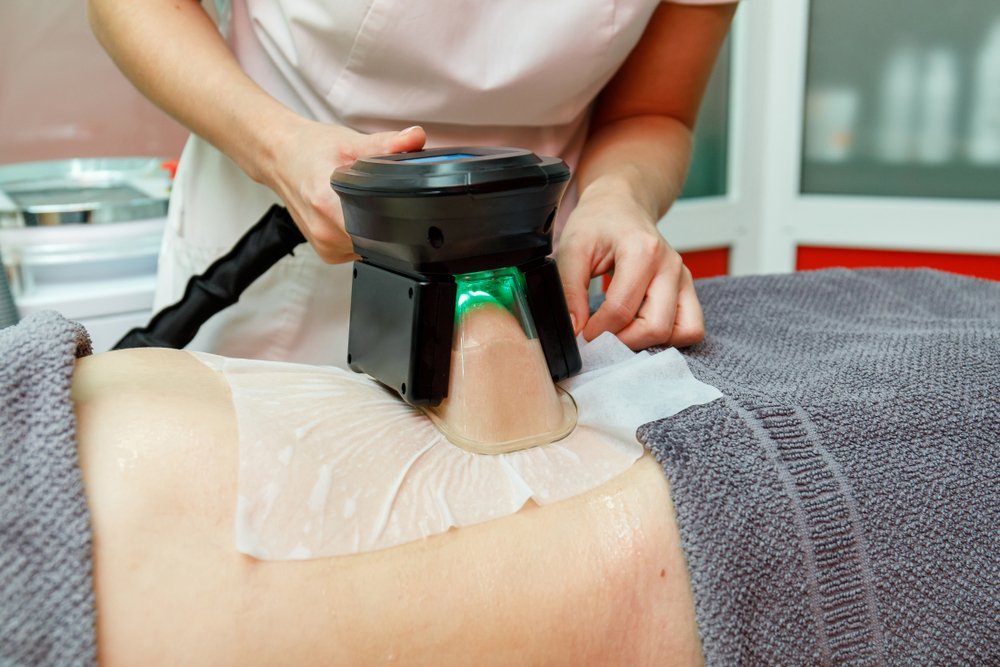
Non-surgical laser fat reduction refers to a group of aesthetic treatments designed to improve body contours without surgically removing fat through incisions. These procedures use light-based energy delivered through an external applicator placed on or near the skin.
The goal is generally to reduce the appearance of localized fat deposits in areas such as:
- Abdomen and waist
- Flanks, often called love handles
- Thighs
- Upper arms
- Back
- Chin and jawline, depending on the device
Unlike liposuction, non-surgical laser treatments do not use a suction cannula to physically extract fat tissue. Instead, different technologies use laser energy or light-based mechanisms to affect the targeted tissue.
It is important to recognize that not all treatments described as laser fat reduction work in the same way. Some use heat to damage fat cells, while others use low-level light without significantly heating the tissue. Their treatment protocols, expected results, and safety considerations can therefore be different.
Non-surgical fat reduction is also not a general weight-loss method. It is intended to address selected areas of body contouring rather than treat obesity or produce substantial changes in overall body weight.
How Does Laser Fat Reduction Work?
The mechanism depends on the type of laser or light-based device being used. Two broad approaches are particularly important: thermal laser treatment and low-level laser therapy.
1. Thermal Laser Fat Reduction
Some laser-based body-contouring systems use controlled heat to target fat beneath the skin.
The device delivers energy to the treatment area, raising the temperature of selected tissue. The intended effect is to damage fat cells while limiting injury to surrounding structures.
Over time, the body processes and clears the affected cells and their contents through natural biological pathways. As the targeted tissue changes, the treated area may gradually appear smaller.
One example of this approach is SculpSure, a non-invasive laser body-contouring system that uses controlled heating. The American Society of Plastic Surgeons describes laser lipolysis as a method that uses laser energy to heat and disrupt targeted fat cells.
ASPS+1
Thermal treatments may also produce temporary sensations of warmth or discomfort during the appointment. The device's cooling system and treatment settings are designed to help protect the skin while delivering energy to the intended tissue.
2. Low-Level Laser Therapy
Other systems use low-level laser or visible light energy rather than substantial heating.
These devices are often described as photobiomodulation treatments. The light is delivered at a relatively low energy level and is intended to influence cellular activity without producing a significant temperature increase.
The proposed mechanism may involve temporary changes in fat-cell membrane permeability, allowing stored lipids to move out of the cells. The body then processes these substances through normal metabolic pathways.
Emerald Laser is an example of a low-level green laser system. It uses light in the approximately 522–542 nanometer range and is intended for non-invasive body-circumference reduction.
However, the proposed mechanism should not be confused with proof of a particular clinical outcome. Results can vary, and the amount of visible change supported by evidence depends on the specific device and treatment protocol.
Thermal Laser vs. Low-Level Laser
The term "laser fat reduction" can therefore describe treatments with quite different mechanisms. Patients should confirm the exact device and technology being offered rather than relying only on the general treatment name.
What Areas Can Non-Surgical Laser Fat Reduction Treat?
The appropriate treatment areas depend on the device's intended use and the individual's anatomy.
Abdomen
The abdomen is one of the most common areas people consider for non-surgical body contouring. Some individuals maintain a stable weight but remain concerned about a small bulge around the stomach.
Laser-based treatments may be considered for selected superficial fat deposits. However, abdominal fullness can have several causes, including visceral fat, loose skin, muscle separation, and digestive factors.
A treatment designed for fat beneath the skin will not necessarily address these other concerns.
Waist and Flanks
The waist and flanks are often targeted by people who want to refine their body outline.
Localized fat around the sides of the waist may remain noticeable even with regular exercise. A provider can assess whether the area is appropriate for a specific laser treatment and explain what degree of contouring may be realistic.
Thighs
Some laser-based body-contouring systems are designed for selected areas of the thighs. The suitability of treatment depends on the amount and distribution of fat, skin condition, and the device's approved treatment areas.
It is important to distinguish localized fat reduction from treatment of cellulite or loose skin, as these concerns may require different approaches.
Upper Arms and Back
Small fat deposits around the upper arms and back may also be considered for body contouring, depending on the technology.
However, if the main concern is loose or sagging skin rather than localized fat, laser fat reduction alone may not provide the desired appearance.
What Happens During a Laser Fat Reduction Treatment?
The treatment process varies according to the device, but a typical non-surgical appointment includes several stages.
1. Initial Consultation
The first step is an assessment with a qualified provider.
The provider reviews the patient's medical history, treatment goals, and areas of concern. They may also evaluate body composition, skin condition, and the thickness of the localized fat deposit.
This assessment helps determine whether the selected technology is suitable. People seeking substantial weight loss or treatment for loose skin may need a different approach.
2. Treatment Area Preparation
Once the provider determines that treatment may be appropriate, the selected area is identified and prepared.
The clinic may mark the treatment area or record baseline measurements. Photographs may also be taken to help compare the appearance before and after treatment.
For some thermal laser systems, the applicator is positioned directly over the selected area. For low-level laser systems, the light-emitting heads may be arranged around or near the treatment area according to the device instructions.
3. Energy Delivery
During treatment, the device delivers laser or light energy to the selected area.
With thermal laser systems, patients may experience intermittent warmth, cooling, tingling, or pressure. Cooling mechanisms may be used to protect the skin during energy delivery.
With low-level laser systems, the treatment is generally designed to avoid significant heating. The patient may experience little sensation during the session.
The length of the appointment depends on the device, treatment area, and number of applicators being used.
4. Post-Treatment Instructions
After a non-surgical laser treatment, extensive surgical recovery is generally not expected.
The provider should explain any temporary reactions, such as redness, tenderness, swelling, or discomfort, and provide device-specific aftercare instructions.
Patients should also follow safety precautions, including wearing protective eyewear when required by the device.
5. Follow-Up Assessment
Some treatment plans involve more than one appointment. Follow-up visits may be used to assess changes in the treated area and determine whether further sessions are appropriate.
Patients should ask when results are expected to become noticeable and how the clinic measures progress. A consistent measurement method is important because changes in posture, hydration, and body weight can influence circumference readings.
What Results Can You Expect?
Expected results depend on the laser technology, treatment area, number of sessions, and individual response.
Non-surgical laser fat reduction is generally intended to improve localized body contours rather than produce major changes in body weight.
Gradual Changes in Body Shape
With thermal laser treatments that damage targeted fat cells, the body needs time to process the affected tissue. Changes may therefore become more noticeable over several weeks or months.
The American Society of Plastic Surgeons notes that results from non-invasive laser lipolysis may begin to appear around six weeks after treatment and become more apparent by approximately three months, although individual outcomes can vary.
ASPS
Low-level laser treatments may follow a different response pattern. Their results should be assessed according to the specific device and supporting clinical evidence rather than assuming that all laser systems produce the same effect.
Changes in Circumference Rather Than Body Weight
A person may notice a difference in the appearance or measurement of a treated area without experiencing a meaningful change on the scale.
This is because body contouring focuses on selected areas rather than overall body weight.
For this reason, progress is often evaluated using photographs, measurements, or physical assessments instead of relying only on body weight.
Results Are Not Guaranteed
Not everyone responds to treatment in the same way. Some people may notice a modest improvement, while others may experience little visible change.
The U.S. Food and Drug Administration emphasizes that non-invasive body-contouring procedures may not produce the desired effect, and results may be temporary. Some people may also need more than one treatment.
FDA
A qualified provider should explain the expected degree of change based on the specific device and the patient's circumstances.
Potential Benefits of Non-Surgical Laser Fat Reduction
Non-surgical laser treatments may appeal to people who want to explore body contouring without undergoing traditional surgery.
No Surgical Incisions
One of the main advantages is that external non-surgical laser treatments do not require surgical incisions or mechanical fat extraction.
This may be attractive to people who prefer to avoid an operation and its associated recovery requirements.
Limited Expected Downtime
Many non-invasive laser procedures allow patients to return to everyday activities relatively soon after treatment.
However, temporary redness, swelling, tenderness, or discomfort may occur. The actual recovery experience depends on the device and individual response.
Targeted Treatment Areas
Laser-based technologies are designed to address selected areas rather than treat the entire body.
This may be useful for people who have a relatively stable weight but remain concerned about a localized bulge around the abdomen, waist, or another suitable area.
No General Anesthesia for Many Non-Invasive Procedures
External non-surgical laser treatments generally do not require general anesthesia.
This distinguishes them from surgical fat-removal procedures. Patients should still discuss any discomfort, device-specific precautions, and suitability requirements with their provider.
Different Technology Options
Laser-based body contouring includes both thermal and low-level light approaches. This gives providers different technologies to consider depending on the treatment area and patient's goals.
However, the availability of different options does not mean they have identical evidence or results. Each device should be evaluated individually.
Limitations: What Laser Fat Reduction Cannot Do
Understanding the limitations is essential before committing to treatment.
It Is Not a Weight-Loss Solution
Non-surgical laser fat reduction is not designed to treat obesity or produce substantial overall weight loss.
The FDA states that non-invasive body-contouring procedures do not treat obesity, do not result in weight loss, and do not provide the health benefits associated with losing weight.
FDA
People seeking significant weight reduction should discuss appropriate medical and lifestyle approaches with a healthcare professional.
Results Are Usually More Subtle Than Liposuction
Non-surgical fat reduction generally produces less dramatic contouring changes than surgical liposuction.
Liposuction physically removes fat tissue, while external non-surgical treatments use energy-based methods to influence selected tissue. These procedures should not be considered interchangeable.
The American Academy of Dermatology describes non-invasive fat removal results as generally more subtle than those achieved with liposuction.
美国皮肤病学会
It Does Not Address Every Type of Fat
There is an important difference between superficial fat beneath the skin and visceral fat located deeper inside the abdomen around internal organs.
External body-contouring devices are generally intended to target selected areas of superficial tissue. They do not remove visceral fat.
Similarly, a bulge caused by loose skin, muscle separation, or another medical issue may not respond to laser fat reduction.
Multiple Sessions May Be Necessary
Depending on the technology and treatment protocol, a patient may need several appointments.
This can increase the total financial commitment and time required. Before starting, ask the clinic for the full recommended schedule and total estimated cost.
Results Can Be Affected by Weight Changes
Even when a treatment successfully affects targeted fat cells, it does not prevent future weight gain.
Remaining fat cells can increase in size as body weight changes. Maintaining a relatively stable weight and healthy lifestyle habits can help preserve body shape over time.
Safety and Possible Side Effects
Non-surgical laser fat reduction avoids many of the risks associated with surgery, but it is still a medical or aesthetic procedure that requires appropriate assessment and safety precautions.
Potential side effects depend on the technology.
With thermal laser treatments, possible temporary reactions may include redness, tenderness, swelling, and discomfort. Excessive heating or incorrect device use can increase the risk of burns or other tissue injury.
The FDA also notes that light-based body-contouring procedures can pose risks to the eyes. Appropriate protective eyewear should be provided when required.
FDA
Low-level light treatments generally use much lower energy levels, but they are not automatically appropriate for everyone. The FDA identifies photosensitivity disorders, pregnancy or planned pregnancy, active implanted electronic devices, certain medications, and active skin conditions at the treatment site as factors that may affect suitability for some photobiomodulation procedures.
Before treatment, patients should discuss:
- Medical history and current medications.
- The specific device and its intended treatment areas.
- Possible side effects and safety precautions.
- Whether protective eyewear is required.
- The provider's qualifications and experience.
- What to do if an unexpected reaction occurs.
A qualified provider should explain the risks associated with the exact technology being offered rather than treating all laser procedures as identical.
Who May Be a Suitable Candidate?
Non-surgical laser fat reduction may be worth discussing with a qualified provider for people who have a relatively stable body weight and are concerned about a small, localized fat deposit.
Potential candidates may include individuals who:
- Have a specific area of localized fat they want to address.
- Maintain relatively stable body weight.
- Prefer a non-surgical approach.
- Understand that results may be modest.
- Do not expect the procedure to replace weight management.
- Are willing to consider multiple sessions if recommended.
The treatment may be less appropriate for people seeking substantial weight loss, those with significant loose skin, or individuals whose abdominal fullness is mainly related to visceral fat or muscle separation.
People who are pregnant or breastfeeding should not undergo non-surgical fat-reduction procedures, according to the American Society of Plastic Surgeons. Individual device instructions and medical guidance should always be reviewed.
American Society of Plastic Surgeons
Laser Fat Reduction Compared With Other Non-Surgical Treatments
Laser technology is only one category of non-surgical body contouring. Other procedures use cooling, radiofrequency, or ultrasound energy.
Each option has different treatment requirements, evidence, and possible side effects.
For example, cryolipolysis uses controlled cooling and typically produces gradual changes as the body clears damaged fat cells. Radiofrequency treatments use heating, while some ultrasound systems deliver sound energy to targeted tissue.
Liposuction is different because it physically removes fat and involves surgery.
The best option depends on the patient's body composition, treatment goals, medical history, and willingness to accept different recovery requirements.
What to Consider Before Booking a Treatment
Before choosing non-surgical laser fat reduction, it is useful to ask the clinic several questions.
Which laser technology will be used? Confirm whether the device uses thermal laser energy or low-level light. The general phrase "laser fat reduction" does not identify a specific treatment mechanism.
What results are realistic? Ask for information about the expected degree of change and the evidence supporting the specific device and treatment protocol.
How many sessions are recommended? Confirm the proposed number of appointments, the interval between sessions, and whether additional treatments may be necessary.
What is the complete cost? Request an estimate that includes consultations, treatment sessions, and follow-up assessments.
What are the possible risks? Ask about device-specific side effects, protective measures, and personal factors that could affect suitability.
Who will perform the procedure? Confirm the provider's qualifications and experience with the particular technology.
Be cautious of claims promising dramatic fat loss, guaranteed inch reductions, or results equivalent to surgical liposuction. A responsible provider should be willing to discuss limitations and alternative options.
Final Thoughts
Non-surgical laser fat reduction offers an alternative to surgical body contouring for people who want to address selected areas of localized fat. Depending on the device, it may use controlled heating to damage fat cells or low-level light to influence cellular activity.
Its main appeal is the non-surgical treatment format and generally limited expected downtime. However, results can vary, changes are usually more subtle than those achieved with liposuction, and the treatment is not intended to produce significant weight loss.
Before making a decision, identify the exact technology being offered, review its supporting evidence, and discuss your goals with a qualified provider. Understanding the treatment process, possible results, costs, and limitations can help you decide whether laser fat reduction is an appropriate option for your body-contouring needs.