Emerald Laser vs. Traditional Liposuction: Key Differences You Should Know|Treatment Process, Recovery, Costs and Results
Emerald Laser and traditional liposuction are two very different approaches to body contouring. Emerald Laser uses low-level green laser light as a non-invasive treatment, while liposuction is a surgical procedure that physically removes fat through small incisions. Understanding their differences in treatment process, recovery, cost, and expected results can help you decide which option is more suitable for your goals.
What Are Emerald Laser and Traditional Liposuction?
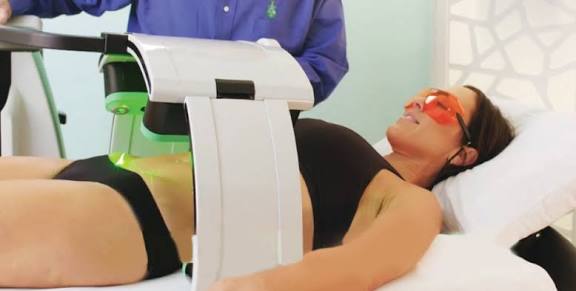
Emerald Laser is a non-invasive body-contouring system developed by Erchonia. It uses low-level green laser light and is intended to reduce body circumference in selected areas. The procedure does not involve surgical incisions or mechanical fat removal.
Traditional liposuction, on the other hand, is a surgical procedure designed to remove localized fat deposits. A surgeon inserts a thin tube called a cannula through small incisions and uses suction to remove fat from targeted areas.
Both treatments are associated with body contouring, but they work in fundamentally different ways. Emerald Laser is a non-surgical option with potentially more modest and less predictable changes, while liposuction physically removes fat and can produce more substantial contouring.
Neither treatment should be confused with a general weight-loss program. They are intended to address body-shape concerns rather than replace healthy lifestyle habits or medical weight management.
How Does Each Treatment Work?
Emerald Laser: Low-Level Green Laser Technology
Emerald Laser uses low-level green light, with a wavelength of approximately 522–542 nanometers. The Erchonia Emerald system is designed to deliver laser energy to selected body areas without cutting the skin or physically extracting fat.
The proposed mechanism involves light interacting with fat cells and potentially affecting their membranes, allowing stored lipids to move out of the cells. The body then processes these substances through its normal metabolic pathways.
However, the proposed mechanism should not be interpreted as proof of a guaranteed or substantial reduction in body fat. The clinical evidence and the size of the results remain important considerations when evaluating the treatment.
The FDA's 510(k) database lists Erchonia Emerald as substantially equivalent to previously marketed devices for its specified intended use: non-invasive reduction of body circumference in individuals with a BMI of up to 40 kg/m². This is not the same as FDA approval as an obesity treatment or a guarantee of specific results.
Traditional Liposuction: Physical Fat Removal
Liposuction works by physically removing fat tissue from selected areas. After making small incisions, the surgeon inserts a cannula beneath the skin and uses suction to remove unwanted fat.
Several liposuction techniques are available, including traditional suction-assisted liposuction, ultrasound-assisted liposuction, and power-assisted liposuction. The exact method depends on the surgeon, treatment area, and patient's needs.
Because fat is physically removed, liposuction can create more noticeable changes in body shape than many non-invasive treatments. However, it is an operation that requires medical assessment, anesthesia or other forms of pain control, and postoperative recovery.
Emerald Laser vs. Liposuction: Key Differences
The most important difference is that Emerald Laser is non-invasive, whereas traditional liposuction is surgery.
These differences are important because the treatments are not interchangeable. Someone seeking a subtle, non-surgical approach may consider Emerald Laser, while someone looking for more substantial fat removal may discuss liposuction with a qualified surgeon.
Treatment Process: What Happens During Each Procedure?
Emerald Laser Treatment Process
Emerald Laser is generally performed in an aesthetic clinic or medical treatment setting. The process usually involves the following stages.
1. Initial Consultation
The provider reviews the patient's health history, body-contouring goals, and areas of concern. They may assess body measurements and determine whether the treatment is appropriate.
2. Treatment Area Preparation
The selected areas are identified before the device is positioned. Some clinics take photographs or record measurements to establish a baseline for later comparison.
3. Laser Application
The device's laser heads are positioned near the selected areas according to the manufacturer's instructions and the clinic's protocol. Low-level green laser light is delivered without surgical incisions or physical extraction of fat.
4. Post-Treatment Guidance
Patients generally do not need extensive recovery after a non-invasive session. The provider should explain any temporary reactions and provide device-specific safety instructions.
5. Follow-Up Appointments
Some clinics recommend a series of sessions rather than a single appointment. The schedule depends on the treatment protocol and individual goals. Patients should ask how results will be assessed and when a decision about additional sessions should be made.
Traditional Liposuction Treatment Process
Liposuction involves more preparation and medical planning because it is a surgical procedure.
1. Surgical Consultation
The surgeon reviews medical history, examines the treatment areas, and discusses the patient's expectations. They also assess skin elasticity, fat distribution, and overall suitability for surgery.
2. Preoperative Preparation
Depending on the procedure, patients may need medical assessments, laboratory tests, medication adjustments, and instructions about eating, drinking, or smoking before surgery.
3. Anesthesia and Fat Removal
The procedure is performed using an appropriate form of anesthesia or pain control. The surgeon makes small incisions and inserts a cannula to remove fat from the selected areas.
4. Compression and Recovery Instructions
After surgery, patients may be advised to wear compression garments to help manage swelling and support the treated areas. The surgeon provides instructions about wound care, movement, medication, and activity restrictions.
5. Follow-Up Visits
Postoperative appointments allow the medical team to monitor healing, check for complications, and assess the developing contour.
The treatment process is therefore considerably more involved than a typical Emerald Laser appointment.
Recovery Time: Which Treatment Requires Less Downtime?
Recovery is one of the biggest differences between the two options.
Recovery After Emerald Laser
Because Emerald Laser does not involve surgical incisions or physical fat removal, extensive recovery is generally not expected.
Many people can return to their usual activities soon after an appointment. However, the exact experience can vary, and temporary reactions may occur depending on the individual and treatment protocol.
Patients should follow the clinic's instructions and report unexpected symptoms to the provider.
Recovery After Liposuction
Liposuction requires a more structured recovery period. Patients may experience swelling, bruising, soreness, and temporary changes in sensation around the treated areas.
A compression garment may be recommended for a period determined by the surgeon. The timing of returning to work, exercise, and other activities depends on the extent of surgery and individual healing.
Some swelling can remain for weeks or months, meaning the final body contour may not be immediately visible. Patients should follow their surgeon's instructions rather than relying on general recovery timelines.
Recovery Comparison
The main advantage of Emerald Laser in this comparison is its non-surgical format. Liposuction offers a different level of fat removal but requires patients to plan for recovery.
How Much Do Emerald Laser and Liposuction Cost?
Cost is another major consideration. The total expense depends on the clinic, geographic location, treatment area, provider qualifications, and number of appointments.
In the United States, Emerald Laser may be priced by individual session or as a treatment package. An illustrative range for some clinic offerings is approximately $200–$600 or more per session. This is not a standardized national price, and actual quotes can vary.
Liposuction is generally more expensive because it involves surgery, medical personnel, anesthesia, and facility costs. An illustrative overall range may be approximately $3,000–$10,000 or more, depending on the number of areas treated and the complexity of the procedure.
These figures are broad budgeting estimates rather than guaranteed prices.
What Is Included in the Emerald Laser Cost?
Before booking, ask whether the quoted price includes:
- Initial consultation
- All recommended treatment sessions
- Additional treatment areas
- Body measurements and progress assessments
- Follow-up appointments
A low price per session may not represent the full cost if several appointments are recommended.
What Is Included in the Liposuction Cost?
A surgical quote may include several separate expenses:
- Surgeon's professional fee
- Anesthesia fees
- Operating facility charges
- Preoperative assessments
- Postoperative garments
- Medications and recovery supplies
- Follow-up appointments
Patients should request an itemized estimate and confirm whether additional medical expenses could arise.
Which Is More Affordable?
Emerald Laser generally has a lower starting cost because it does not involve surgery. However, repeated appointments can increase the total expense.
Liposuction usually requires a larger initial financial commitment, but it is designed to physically remove fat in a single surgical procedure rather than through a routine series of non-invasive sessions.
The better financial comparison is therefore the complete treatment plan, not simply the price of one appointment.
Results: What Can You Realistically Expect?
The expected results are different because the two procedures use different methods.
Emerald Laser Results
Emerald Laser is intended to support a reduction in body circumference in selected areas. Some patients may notice changes in measurements or appearance, while others may experience limited results.
The degree of change can depend on body composition, treatment area, protocol, and individual response.
It is important to understand the limits of the available evidence. The FDA's 510(k) clearance establishes substantial equivalence for the device's specified intended use. It does not guarantee a particular number of inches lost or prove that every patient will achieve a visible reduction in fat.
Patients should be cautious about claims promising dramatic changes after a fixed number of sessions.
Liposuction Results
Liposuction physically removes fat from selected areas, so it can produce more substantial changes in body contour.
However, results still depend on factors such as the amount of fat removed, skin elasticity, surgical technique, and healing.
Swelling can make the treated area look different during the early recovery period. The final contour generally becomes clearer as healing progresses.
Liposuction does not prevent future weight gain. Remaining fat cells can enlarge if body weight increases, and changes in weight can affect the long-term appearance of the treated area.
Results Comparison
Neither procedure should be viewed as a guaranteed solution for every body-shape concern.
Safety and Potential Risks
Although Emerald Laser is non-invasive, it should not automatically be considered risk-free. Patients should ask about device-specific precautions, possible reactions, and whether their medical history affects suitability.
The FDA notes that non-invasive body-contouring technologies can cause complications such as discomfort, redness, swelling, bruising, and nodules. The specific risks differ according to the technology and device.
Liposuction has the additional risks associated with surgery and anesthesia. These may include infection, bleeding, fluid accumulation, contour irregularities, changes in sensation, and complications related to anesthesia. More serious complications are possible, so surgical suitability and risk management should be discussed with a qualified surgeon.
Before either treatment, patients should ask:
- What are the specific risks associated with this device or procedure?
- Who will perform the treatment?
- What qualifications and experience does the provider have?
- What medical conditions could affect suitability?
- What symptoms should prompt medical attention?
- What follow-up care is available?
For liposuction in particular, choosing a qualified surgeon and an appropriately equipped medical facility is essential.
Who May Be a Better Candidate for Each Treatment?
The most suitable option depends on the desired degree of change, personal preferences, medical circumstances, and willingness to undergo surgery.
People Who May Consider Emerald Laser
Emerald Laser may be worth discussing with a qualified provider for individuals who:
- Prefer a non-surgical approach.
- Are interested in localized body-circumference reduction.
- Understand that results may be modest or variable.
- Prefer to avoid surgical incisions and a lengthy recovery.
- Are willing to consider multiple appointments if recommended.
It may not be suitable for someone expecting significant fat removal or substantial weight loss.
People Who May Consider Liposuction
Liposuction may be more appropriate to discuss with a qualified plastic surgeon for individuals who:
- Want more substantial changes in selected body areas.
- Have localized fat deposits that have not responded to lifestyle measures.
- Understand the risks associated with surgery.
- Are prepared for postoperative recovery.
- Have realistic expectations about body contouring and long-term weight maintenance.
A surgeon should assess skin elasticity, general health, fat distribution, and treatment goals before recommending the procedure.
Can Emerald Laser Replace Traditional Liposuction?
Emerald Laser and traditional liposuction serve different purposes, so one should not be considered a direct replacement for the other.
Emerald Laser is a non-invasive option intended to reduce body circumference without physically removing fat. Its main appeal is the treatment format and limited expected downtime.
Liposuction is a surgical fat-removal procedure. It is generally more suitable when a patient is seeking a more noticeable change in body contour and is medically appropriate for surgery.
The FDA describes non-invasive body contouring as different from liposuction because non-invasive procedures do not remove tissue from the body. It also emphasizes that body-contouring treatments are not intended to treat obesity or produce the health benefits associated with weight loss.
If a person is unsure which option is appropriate, a consultation with a qualified medical professional can help clarify the available choices.
Questions to Ask Before Choosing a Treatment
Before making a decision, consider asking the provider several practical questions.
- What specific result is this treatment intended to achieve?
- Is the device or procedure appropriate for my treatment area?
- How much change is realistic based on available clinical evidence?
- How many sessions or procedures may be needed?
- What is the complete estimated cost?
- What are the potential side effects and recovery requirements?
- What alternatives may be more appropriate for my goals?
A reliable provider should be willing to explain both the benefits and limitations of the treatment. Be cautious of guaranteed results, pressure to purchase large packages, or claims that a non-invasive treatment can produce the same outcome as surgery.
Final Thoughts
Emerald Laser and traditional liposuction offer two different approaches to body contouring. Emerald Laser uses low-level green laser light and does not involve surgical fat removal, making it an option for people who prefer a non-invasive treatment with limited expected downtime. Liposuction physically removes fat and can create more substantial changes, but it involves surgery, higher overall costs, and a longer recovery process.
The right choice depends on the degree of contouring desired, medical suitability, budget, and willingness to accept the risks and recovery requirements.
Rather than choosing based only on price or advertising claims, compare the treatment method, available evidence, total cost, and expected results. A professional consultation can help determine which approach, if either, is appropriate for your individual goals.