How Much Does Body Contouring Treatment Really Cost?|Pricing Factors, Treatment Sessions and What to Expect
Body contouring treatments can vary significantly in price depending on the technology, treatment area, number of sessions, and clinic location. From non-invasive procedures such as cryolipolysis and radiofrequency to surgical options like liposuction, the total cost involves more than the advertised price of one appointment. Understanding the main pricing factors and possible additional expenses can help you compare treatments and plan a realistic budget.
What Is Body Contouring Treatment?
Body contouring refers to a range of cosmetic procedures designed to improve the shape or appearance of selected body areas. These treatments may target localized fat deposits, skin laxity, or uneven body contours.
Some procedures are non-invasive and use technologies such as controlled cooling, radiofrequency, ultrasound, or low-level laser energy. Others are minimally invasive or surgical and may involve incisions, anesthesia, and a longer recovery period.
Common treatment areas include:
- Abdomen and waist
- Hips and flanks
- Thighs
- Upper arms
- Back
- Chin and jawline
The purpose of body contouring is generally to refine specific areas rather than produce substantial overall weight loss. It is not a substitute for weight management, regular physical activity, or medical treatment for obesity.
Because different technologies work in different ways, their prices and expected results can vary considerably. Comparing the treatment method, number of sessions, and total cost is more useful than looking at a single advertised price.
How Much Does Body Contouring Treatment Cost?
There is no single standard price for body contouring. In the United States, non-invasive treatments may cost from a few hundred dollars to several thousand dollars for a complete treatment plan. Surgical procedures generally cost more because they involve additional medical services, facility expenses, and recovery care.
The following figures are broad illustrative ranges, not guaranteed quotes. Actual prices depend on the provider, geographic area, device, treatment size, and individual treatment plan.
These ranges are intended to help with initial budgeting. They are not a substitute for a written estimate from a clinic. Some providers advertise introductory prices that apply only to a limited area or a single session, while the recommended treatment plan may require additional appointments.
Non-Invasive Body Contouring
Non-invasive treatments generally do not require surgical incisions. Depending on the technology, they may use cooling, heating, ultrasound, or low-level light to target selected areas.
Their initial prices may be lower than surgical procedures, but multiple sessions can increase the total expense. For example, a treatment advertised at $300 per appointment could cost $1,200 if four sessions are recommended.
The total budget should therefore be based on the complete plan rather than the starting price.
Minimally Invasive Body Contouring
Some procedures use small incisions or specialized instruments to deliver energy beneath the skin. These treatments may be used to address localized fat or improve selected body contours.
Their prices are generally higher than those of many non-invasive appointments because they may involve medical staff, anesthesia or local anesthetic, specialized equipment, and follow-up care.
Patients should confirm exactly what is included in the quoted price.
Surgical Body Contouring
Surgical procedures such as liposuction physically remove fat from selected areas. They can create more substantial contouring changes than many non-invasive treatments, but they also involve greater medical complexity.
The overall price may include the surgeon's fee, anesthesia, operating facility, preoperative assessments, postoperative garments, medications, and follow-up visits.
A low advertised surgical price may not represent the full amount a patient will eventually pay.
What Factors Affect Body Contouring Prices?
Several factors determine how much a body-contouring treatment costs. Understanding them can make it easier to compare quotes from different clinics.
1. Treatment Technology
The technology used is one of the most important pricing factors.
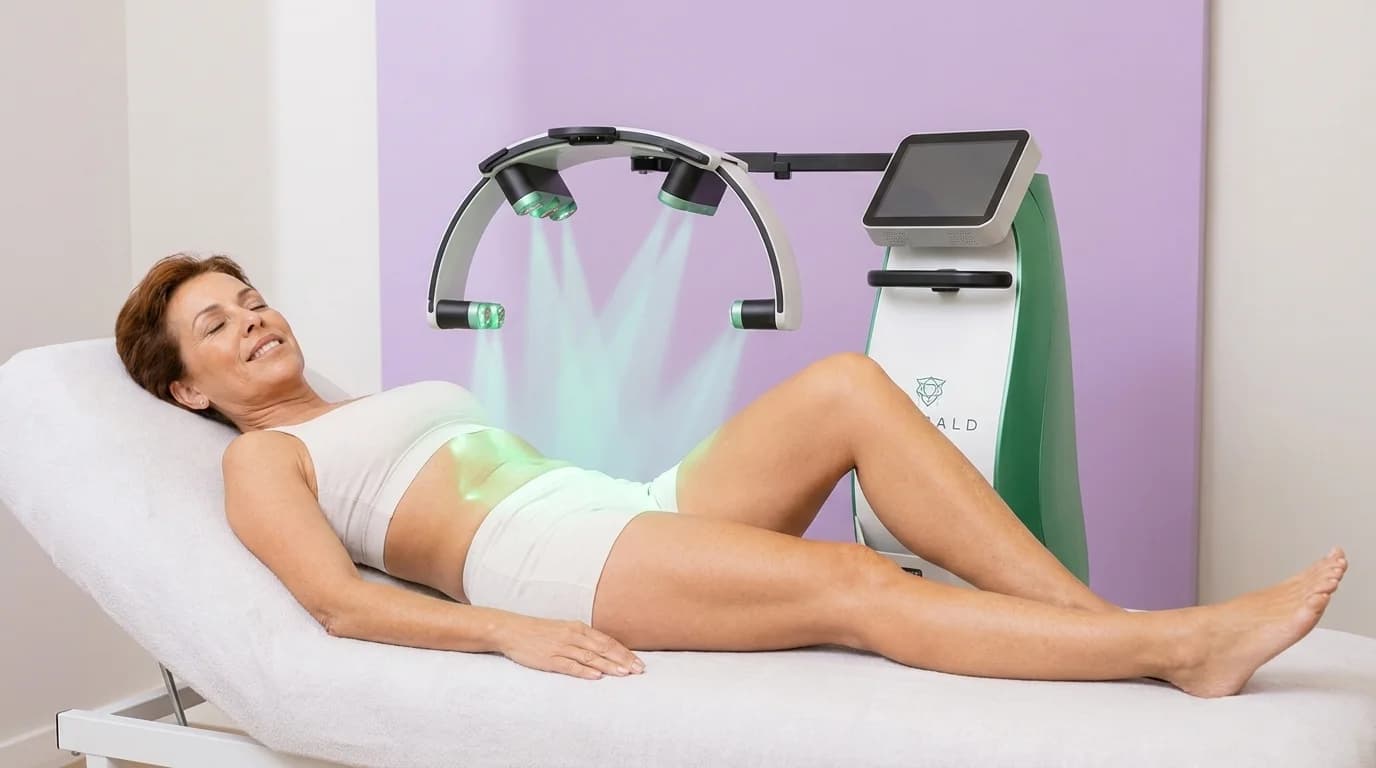
Cryolipolysis, for example, uses controlled cooling to target selected fat deposits. Radiofrequency treatments use energy-based heating, while ultrasound technologies use sound energy. Low-level laser systems use light energy as part of a non-invasive body-contouring approach.
Each technology requires different equipment, treatment procedures, and provider training. The purchase, maintenance, and operating costs of the device can influence the clinic's pricing.
More expensive equipment does not automatically guarantee better results. Patients should consider the device's intended use, available evidence, and suitability for their individual goals.
2. Size of the Treatment Area
The size and number of areas being treated can affect the total price.
A small treatment area may require less time or fewer applicator placements than a larger area. Treating the abdomen and flanks together may cost more than treating one limited area.
Some clinics charge by applicator cycle, while others price treatments by body region or appointment. It is important to understand the clinic's pricing method before comparing offers.
3. Number of Treatment Sessions
Some body-contouring procedures are designed to be performed in one treatment, while others may require a series of appointments.
For example, a clinic may recommend several radiofrequency or low-level laser sessions over a number of weeks. The total cost depends on the number of visits and the price of each appointment.
Before booking, ask:
- How many sessions are being recommended?
- How frequently will appointments take place?
- Is the quoted price for one session or the full course?
- Are follow-up assessments included?
- Will additional sessions create extra charges?
A treatment package may reduce the average price per appointment, but it is only useful if the recommended number of sessions is appropriate for the individual.
4. Clinic Location
Geographic location can have a noticeable impact on cosmetic treatment prices.
Clinics in major metropolitan areas may have higher rent, staffing expenses, and operating costs than facilities in smaller cities. Local demand and competition can also influence pricing.
For this reason, a treatment offered at one price in New York, Los Angeles, or Miami may cost less or more in another region.
However, choosing a clinic based only on price can be risky. Provider qualifications, treatment standards, and the quality of the consultation should also be considered.
5. Provider Qualifications and Experience
The qualifications and experience of the person performing the procedure can influence the price.
A clinic with appropriately trained medical professionals, detailed assessments, and structured follow-up may charge more than a facility offering a basic appointment.
For procedures involving medical risks, it is important to understand who will perform the treatment, what their qualifications are, and who is responsible for managing complications.
A lower price is not necessarily better value if the provider cannot clearly explain the procedure or its limitations.
6. Device Type and Treatment Protocol
Even within the same treatment category, different devices may have different intended uses, treatment settings, and protocols.
For example, two clinics may both advertise radiofrequency body contouring, but the devices and treatment plans may not be identical.
Patients should ask for the specific device name and model, particularly when a clinic uses a branded treatment name. This helps avoid comparing procedures that may use different technologies.
7. Additional Services
Some clinics include consultation, body measurements, photographs, and follow-up appointments in their treatment packages. Others charge for these services separately.
Additional costs may include:
- Initial consultation fees
- Medical assessments
- Additional treatment areas
- Post-treatment garments
- Prescription or over-the-counter products
- Follow-up appointments
- Facility or anesthesia fees for more invasive procedures
A written quote should clearly identify which services are included and which may generate additional charges.
How Many Sessions Are Usually Needed?
The number of sessions depends on the treatment technology, the area being treated, and the individual's goals.
There is no universal session count that applies to all body-contouring procedures.
Cryolipolysis
Cryolipolysis is often performed using one or more applicator cycles on selected areas. Some people may be advised to have additional treatments depending on the initial response and their goals.
Because results develop gradually, patients should ask when the provider recommends assessing the outcome before deciding whether another session is necessary.
Radiofrequency Treatments
Radiofrequency body-contouring treatments commonly involve a series of appointments. The number and frequency depend on the specific device and protocol.
Some treatments are also marketed for improving the appearance of skin laxity, so the provider should explain whether the plan is intended to address fat, skin appearance, or both.
Ultrasound Body Contouring
Ultrasound treatments vary according to the type of technology and the area being treated. Some protocols involve a limited number of sessions, while others recommend repeated appointments.
The clinic should explain the treatment schedule and the evidence supporting its proposed plan.
Low-Level Laser Treatments
Low-level laser body-contouring systems may also be offered as a series of sessions. The exact number depends on the device instructions and the provider's protocol.
Patients should be cautious of claims that a particular number of appointments will guarantee a fixed reduction in body circumference.
Surgical Procedures
Liposuction is generally performed as a surgical procedure rather than a routine series of cosmetic appointments. However, the final result develops during recovery, and follow-up visits are an important part of postoperative care.
Additional procedures may sometimes be discussed, but these involve separate medical decisions and costs.
Example: How to Calculate the Total Treatment Cost
Looking at the cost of one appointment can make a procedure appear less expensive than it actually is. A simple calculation can help illustrate the difference between the advertised session price and the complete treatment budget.
Suppose a clinic offers a non-invasive body-contouring treatment at $350 per session and recommends six appointments.
This is only an illustrative example. It does not represent a standard market price or a recommendation that six sessions are necessary.
For a surgical procedure, the calculation may be different because the quoted amount could include several medical services. Patients should request an itemized estimate covering the entire procedure and recovery period.
What to Expect Before, During and After Treatment
Understanding the treatment process can help patients prepare for the appointment and identify potential additional expenses.
Before Treatment: Consultation and Planning
The process generally begins with an assessment of the patient's body-contouring goals and medical history.
The provider may examine the selected area, discuss skin condition and fat distribution, and explain whether the requested treatment is appropriate.
Patients should use this appointment to ask about the technology, expected results, possible side effects, treatment schedule, and total cost.
For procedures that require surgery or involve greater medical complexity, additional assessments may be necessary.
During Treatment: Procedure and Appointment Time
The treatment experience depends on the technology.
Non-invasive procedures generally do not require surgical incisions, but sensations can vary. Depending on the method, patients may experience cooling, warmth, pressure, vibration, or temporary discomfort.
Surgical treatments involve a different process and may require anesthesia, medical monitoring, and a recovery plan.
The provider should explain what sensations are normal and what symptoms require medical attention.
After Treatment: Recovery and Follow-Up
Recovery requirements vary significantly.
Many non-invasive treatments involve limited downtime, although temporary swelling, redness, tenderness, or bruising may occur depending on the procedure.
Surgical body contouring usually involves a more substantial recovery period. Patients may need to follow activity restrictions, wear compression garments, and attend postoperative appointments.
Results also develop at different speeds. Some non-invasive procedures produce gradual changes over time, while surgical outcomes may take weeks or months to become fully apparent as swelling decreases.
Patients should not assume that a procedure with little downtime will necessarily produce immediate or dramatic results.
Are Body Contouring Packages Worth It?
Many clinics offer packages that include multiple sessions at a discounted rate. These can reduce the average cost per appointment, but the value depends on whether the treatment plan is appropriate.
For example, six sessions priced individually at $350 would cost $2,100. If a package offers the same six appointments for $1,800, the advertised saving is $300.
However, the discount alone does not establish that the package is worthwhile.
Before purchasing, consider the following:
- Is the recommended number of sessions based on an individual assessment?
- Does the package include the exact treatment area discussed?
- Are consultations and follow-up assessments included?
- What happens if the patient cannot complete all appointments?
- Are unused sessions refundable or transferable?
- Are there additional fees for larger treatment areas?
Avoid purchasing a large package simply because the clinic describes it as a limited-time offer. It is reasonable to compare providers and review the treatment plan before making a financial commitment.
How to Compare Body Contouring Clinics
Choosing a clinic involves more than finding the lowest price. A useful comparison should include the provider, device, treatment protocol, and total expected cost.
Confirm the Provider's Qualifications
Ask who will perform the procedure and what training or professional qualifications they have. For treatments involving medical risks, confirm that an appropriately qualified healthcare professional is involved in the assessment and care process.
Ask About the Specific Device
Request the device's name and model. If a clinic advertises a branded treatment, confirm that the actual equipment and protocol match the description.
Different devices can have different intended uses, safety considerations, and supporting evidence.
Request an Itemized Quote
The estimate should identify the treatment area, number of sessions, consultation fees, and any additional services.
For surgical procedures, ask whether the price includes the surgeon, anesthesia, operating facility, medications, garments, and postoperative care.
Discuss Expected Results
A responsible provider should explain what the treatment is intended to achieve and what it cannot do.
Be cautious of guaranteed results, unrealistic before-and-after photographs, or claims that a non-invasive procedure can replace significant weight loss or surgical fat removal.
Understand the Risks
Ask about possible side effects, recovery requirements, and how complications are handled. The provider should also explain whether any personal health factors may affect suitability.
Is Body Contouring Worth the Cost?
Whether body contouring is worth the expense depends on the individual's goals, the treatment method, and the expected outcome.
For someone who wants to address a specific area and understands that the result may be modest, a non-invasive treatment may be worth discussing. However, the cost of repeated sessions can add up, and results are not guaranteed.
For someone seeking a substantial change in body shape, surgical options may offer a different level of contouring, but they involve higher costs, greater medical risks, and more recovery time.
It is also important to consider whether the concern is actually related to localized fat. Loose skin, muscle separation, and visceral fat may require different approaches. Paying for a treatment that does not address the underlying concern can lead to disappointment and unnecessary expense.
The most useful decision is based on a clear understanding of what the procedure can realistically achieve, how much the full treatment plan will cost, and whether the potential benefits justify that expense.
Final Thoughts
Body contouring treatment costs vary according to technology, treatment area, number of sessions, clinic location, and provider qualifications. Non-invasive options may have lower starting prices, but repeated appointments can increase the total budget. Surgical procedures generally involve higher overall costs because of medical, facility, anesthesia, and recovery expenses.
Before booking, compare complete treatment plans rather than individual session prices. Ask for an itemized quote, confirm the device and provider qualifications, and make sure the expected results match your goals.
A well-informed decision should consider not only how much body contouring costs, but also what the treatment can realistically offer, what limitations it has, and whether it is an appropriate option for your individual needs.