Emerald Laser: Does It Really Help Reduce Stubborn Fat?|Treatment Process, Benefits, Limitations and What to Expect
Emerald Laser is a non-invasive body-contouring treatment designed to help reduce the circumference of selected body areas using low-level green laser light. It is often discussed as an option for people concerned about localized fat deposits who prefer to avoid surgery. However, its actual effects, treatment process, and limitations deserve careful consideration before making a decision.
What Is Emerald Laser?
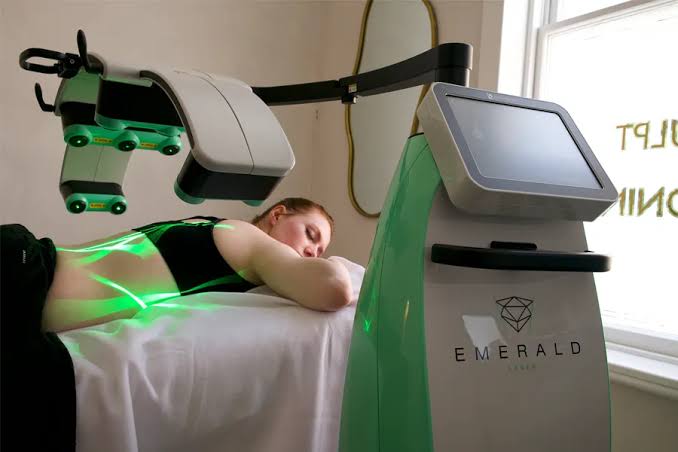
Emerald Laser is a non-invasive body-contouring technology developed by Erchonia. It uses low-level green laser light to target areas of the body where localized fat deposits may affect overall shape and circumference. Unlike traditional liposuction, the procedure does not involve incisions, suction, or surgical removal of fat tissue.
The Erchonia Emerald system uses green laser light with a wavelength of approximately 522–542 nanometers. It is intended for non-invasive dermatological aesthetic treatment to reduce body circumference in individuals with a body mass index (BMI) of up to 40 kg/m².
The treatment is commonly promoted for areas such as the abdomen, waist, hips, and thighs. These areas can sometimes remain difficult to change through exercise and general weight management alone. However, individual results can vary, and the treatment should not be viewed as a substitute for a balanced lifestyle.
It is also important to understand that Emerald Laser is a body-contouring procedure rather than a conventional weight-loss treatment. Its purpose is to address selected areas of body circumference, not to produce substantial overall weight reduction.
How Does Emerald Laser Work?
Emerald Laser uses low-level laser energy rather than the high temperatures associated with some other laser-based body-contouring procedures.
According to the proposed treatment mechanism, green laser light interacts with fat cells and may temporarily affect the permeability of their membranes. This is intended to allow stored lipids to move out of the cells, after which the body processes these substances through its normal metabolic pathways.
This approach differs from treatments that use controlled cooling or heating to damage fat cells. Emerald Laser does not physically remove fat from the body, and it does not involve the same process as surgical liposuction.
However, the proposed mechanism should be distinguished from independently established clinical outcomes. The precise extent to which this process produces meaningful and lasting changes in body circumference remains an important consideration. Marketing descriptions of how the laser interacts with fat cells should not automatically be interpreted as proof of substantial fat reduction.
For this reason, people considering the treatment should focus on the clinical evidence, the specific device being used, and the realistic results that a qualified provider can explain.
Does Emerald Laser Really Help Reduce Stubborn Fat?
Whether Emerald Laser can help reduce stubborn fat is one of the most common questions surrounding the procedure. The treatment is designed to support a reduction in body circumference, but the results should be approached with realistic expectations.
The FDA's 510(k) database lists the Erchonia Emerald device as substantially equivalent to previously marketed devices for its specified intended use. This regulatory clearance does not mean that the FDA guarantees a particular amount of fat loss or recognizes the device as a treatment for obesity.
The regulatory documentation also requires careful interpretation. The 2020 submission for the device did not include a new clinical study of Emerald itself; the substantial-equivalence determination relied on comparison with predicate devices. Therefore, the clearance should not be treated as independent proof that every patient will experience a predictable reduction in fat or body measurements.
In practical terms, the treatment may be considered by people interested in non-surgical body contouring, but it is difficult to promise how much change an individual will notice. Some people may observe differences in measurements or appearance, while others may experience limited or no noticeable changes.
Several factors can influence the outcome:
- Treatment area: The amount and distribution of fat can differ considerably between the abdomen, waist, hips, and thighs.
- Body composition: A person's overall body composition and weight stability may influence the appearance of the treated area.
- Treatment protocol: The recommended number and frequency of sessions can vary depending on the provider's approach.
- Lifestyle habits: Nutrition, physical activity, and changes in body weight can influence body shape over time.
- Individual response: People do not necessarily respond to the same treatment in the same way.
A useful consultation should explain what the available evidence supports, rather than relying on broad promises about inches lost or dramatic changes.
What Areas Can Emerald Laser Treat?
Emerald Laser is generally marketed for selected areas where localized fat deposits may affect body proportions. The specific areas that can be treated depend on the device protocol and the provider's assessment.
Abdomen
The abdomen is one of the most frequently discussed areas for non-invasive body contouring. Some people maintain a relatively stable weight but remain concerned about the appearance of fat around the stomach.
Emerald Laser may be considered as an option for localized abdominal contouring. However, not every type of abdominal fullness is caused by superficial fat. Visceral fat, loose skin, muscle separation, posture, and digestive factors can also influence the appearance of the abdomen.
A treatment intended for localized fat deposits will not necessarily address these other causes.
Waist and Flanks
The waist and flank areas can be concerns for people who want a more defined body outline. Localized fat around the sides of the waist may remain noticeable even when someone exercises regularly.
A provider can assess whether the area is appropriate for a non-invasive treatment and explain what kind of change may be realistic.
Hips and Thighs
The hips and thighs are also commonly associated with localized fat deposits. However, fat distribution in these areas varies according to individual body structure and composition.
Anyone considering treatment should ask whether the device and the clinic's protocol are suitable for the specific area rather than assuming that the same treatment approach works equally well throughout the body.
What Happens During an Emerald Laser Treatment?
The procedure is generally performed in an aesthetic clinic or medical treatment setting. It does not require surgical incisions, and patients remain awake during the session.
Although the exact process can vary, a typical treatment plan includes several stages.
1. Initial Consultation and Assessment
The first step is a consultation with the provider. During this appointment, the clinic may review medical history, discuss the patient's goals, and assess the areas of concern.
The provider should determine whether the concern is related to localized superficial fat or another factor. This distinction is important because body-contouring treatments are not designed to address every cause of changes in body shape.
Patients should also explain any relevant health conditions, previous procedures, or concerns that may affect treatment suitability.
2. Treatment Area Preparation
Once the provider determines that the treatment may be appropriate, the selected areas are identified.
Some clinics record baseline measurements or take photographs before beginning treatment. These records can help compare changes over time, provided that measurements are taken consistently.
Patients should ask how the clinic evaluates results and whether the assessment includes standardized measurement methods.
3. Laser Application
During the procedure, the device's laser heads are positioned near the selected treatment areas according to the manufacturer's instructions and the provider's protocol.
The laser delivers low-level green light without surgically opening the skin or physically extracting fat tissue. Patients generally remain awake, and the procedure does not normally require general anesthesia.
The duration of each session depends on the treatment area and the protocol being followed. It is best to confirm the expected appointment length with the clinic before booking.
4. Post-Treatment Guidance
After treatment, extensive surgical recovery is generally not expected because the procedure is non-invasive.
The provider should explain any temporary reactions that may occur and provide device-specific aftercare instructions. Patients should also follow all safety precautions, including any required eye protection.
It is important not to assume that limited downtime means there are no risks. Any unexpected discomfort or reaction should be discussed with the treating provider.
5. Follow-Up and Results Assessment
If multiple sessions are recommended, the clinic may schedule follow-up appointments to assess the treated areas.
Measurements and photographs can provide a reference for evaluating changes, but results should be interpreted carefully. Normal fluctuations in body weight, hydration, posture, and measurement technique can influence circumference readings.
Patients should ask the provider when results are expected to become noticeable and how long the clinic recommends waiting before making a final assessment.
Potential Benefits of Emerald Laser
Emerald Laser may appeal to people who prefer to explore non-surgical approaches to body contouring. Its potential advantages mainly relate to the treatment format and the absence of surgical fat removal.
Non-Invasive Approach
One of the main features of Emerald Laser is that it does not require incisions or surgical extraction of fat. This may be attractive to individuals who are not interested in undergoing an operation.
However, non-invasive treatment does not automatically mean that the procedure is appropriate for every person. A professional assessment is still necessary.
No General Anesthesia
Unlike surgical liposuction, Emerald Laser generally does not require general anesthesia. Patients remain awake during the procedure, which may make the treatment format more convenient for people who prefer to avoid surgical anesthesia.
Limited Expected Downtime
Non-invasive body-contouring procedures typically involve less recovery time than surgical procedures. Many patients can return to ordinary daily activities relatively soon after treatment.
The actual experience can vary, so patients should confirm the expected recovery requirements and possible temporary reactions with their provider.
Focus on Localized Body Contouring
Emerald Laser is intended for selected areas rather than general weight reduction. This may be relevant to people who are already maintaining a relatively stable weight but remain concerned about localized body circumference.
Nevertheless, the treatment's intended use should not be confused with a guarantee that a specific area will become noticeably smaller.
Limitations: What Emerald Laser Cannot Do
Understanding the limitations is just as important as knowing the potential benefits. Non-invasive body contouring has a different purpose from medical weight management or surgical fat removal.
It Is Not a Weight-Loss Treatment
Emerald Laser is not designed to treat obesity or produce substantial overall weight reduction. The FDA explains that non-invasive body-contouring procedures are not intended to treat obesity or improve overall health.
People seeking significant weight loss should discuss appropriate medical and lifestyle approaches with a healthcare professional. A cosmetic body-contouring procedure should not replace an evidence-based weight-management plan.
Results May Be Subtle or Unpredictable
The extent of any visible change can vary from person to person. Some individuals may notice differences in body measurements or appearance, while others may experience limited results.
There is no basis for assuming that everyone will lose a particular number of inches or achieve a specific body shape after treatment.
Patients should be cautious of advertisements that promise dramatic changes in a short period or present unusually large results as typical outcomes.
It Does Not Physically Remove Fat
Emerald Laser is not equivalent to liposuction. Surgical liposuction physically removes fat tissue from selected areas, whereas Emerald Laser uses low-level light as a non-invasive approach.
The two procedures have different mechanisms, potential results, recovery requirements, and risk profiles. People seeking substantial changes in body shape should discuss the available options with a qualified medical professional.
It Does Not Treat Loose Skin or Every Cause of Abdominal Fullness
A visible bulge around the abdomen does not always indicate excess superficial fat. Loose skin, muscle separation, visceral fat, and other factors can contribute to the appearance of the area.
Emerald Laser should not be expected to correct all of these concerns. An appropriate assessment can help identify whether the treatment matches the actual cause of the body-shape concern.
Multiple Sessions May Be Recommended
Some clinics recommend a series of sessions rather than a single appointment. This can increase the total cost and time commitment.
Before beginning treatment, patients should request a complete plan that explains the recommended number of sessions, the interval between appointments, and the total estimated cost.
Safety and Possible Side Effects
Although Emerald Laser is a non-invasive treatment, patients should still understand the potential risks and precautions.
The FDA notes that non-invasive body-contouring procedures can have side effects, including discomfort, swelling, redness, changes in skin color, burns, and other reactions. These risks vary according to the technology and device being used, so they should not all be assumed to apply equally to Emerald Laser.
Before treatment, patients should ask the provider about:
- The specific device model and its intended use.
- Potential side effects associated with that device.
- Whether protective eyewear is required.
- Any health conditions that may affect treatment suitability.
- The provider's qualifications and experience.
- What to do if an unexpected reaction occurs.
A professional consultation should provide enough information for patients to make an informed decision. It should include a discussion of limitations and possible risks, not just the advertised advantages.
Who May Be a Suitable Candidate?
Emerald Laser may be worth discussing with a qualified provider for people who have relatively stable body weight and are interested in addressing a localized area of body circumference.
Potential candidates may include individuals who:
- Have a specific area of localized fat they would like to discuss.
- Prefer to explore a non-surgical body-contouring option.
- Understand that results may be modest or vary between individuals.
- Are not expecting the treatment to replace weight management.
- Are willing to consider the overall cost and possible need for multiple sessions.
The procedure may be less appropriate for people whose main goal is substantial weight reduction, correction of significant loose skin, or a dramatic change in body shape.
A professional assessment is particularly important when the cause of a body bulge is unclear. The provider can help determine whether the concern involves superficial fat or another factor that may require a different approach.
Emerald Laser Compared With Other Body-Contouring Treatments
Emerald Laser is one of several technologies used in non-surgical body contouring. Different treatments use different mechanisms, and their suitability depends on the patient's goals, treatment area, and medical circumstances.
These procedures should not be treated as interchangeable. Their mechanisms, expected outcomes, recovery requirements, and risks differ.
For example, cryolipolysis uses controlled cooling, while radiofrequency technologies use energy-based heating. Liposuction is a surgical procedure that physically removes fat tissue. Emerald Laser, by contrast, uses low-level green laser light and does not involve mechanical fat removal.
The most appropriate option depends on the individual's body composition, expectations, and health history. A consultation with a qualified dermatologist or appropriately trained medical professional can help clarify the available choices.
What to Consider Before Booking Emerald Laser
Before committing to a treatment plan, it is useful to ask the clinic several practical questions.
First, confirm which device will be used. The name of a treatment alone does not establish that a clinic is using the same device or protocol described in regulatory documentation.
Second, ask what results are realistically supported by clinical evidence. A provider should be able to explain the expected degree of change without guaranteeing a particular outcome.
Third, request a complete cost estimate. The advertised price may refer to one session rather than the full course of treatment. Understanding the total expense can help avoid unexpected costs.
Finally, ask how the clinic measures results. Consistent measurements and photographs can be more informative than relying only on general impressions.
It is also worth comparing Emerald Laser with other approaches before making a decision. A treatment that sounds convenient may not be the most suitable option for a particular body-shape concern.
Final Thoughts
Emerald Laser offers a non-surgical approach to body contouring using low-level green laser light. It is intended to help reduce body circumference in selected areas, but it should not be confused with a proven treatment for obesity or a guaranteed method of substantial fat loss.
For people interested in modest changes to localized body areas, the treatment may be worth discussing with a qualified provider. The decision should be based on realistic expectations, an understanding of the available evidence, and a careful review of the potential costs and risks.
Ultimately, the most important question is not simply whether Emerald Laser works, but whether its intended benefits and limitations match an individual's goals. A well-informed consultation can help determine whether it is a reasonable option or whether another body-contouring approach would be more appropriate.