Stranger Hand Articulated Designer Toy Blind Box: Why This Creepy Collectible Captures Attention
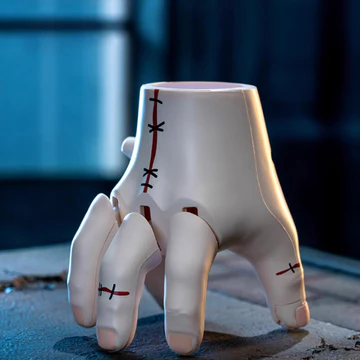
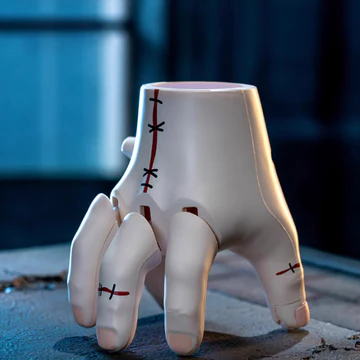
When a TV Prop Becomes a Cultural Object In the U.S., not every popular collectible comes from animation, gaming, or traditional fandoms. Some of the most searched pop culture objects are born from atmosphere, symbolism, and emotional resonance rather than character heroism. One recent example is the sudden popularity of the Stranger Hand Articulated Designer Toy Blind Box, inspired by the iconic disembodied hand from the hit Netflix series Wednesday.
ALL Sale on Extra 20% OFF
Free Shipping on 2 Items
Unlike typical character figures, this collectible does not represent a hero, villain, or mascot. It represents an idea. The hand—known for its silent presence, expressive movements, and unsettling charm—became one of the most recognizable visual elements of the show. For many viewers, it symbolized independence, loyalty, dark humor, and the offbeat tone that made the series resonate with American audiences.
Searches related to this blind box are rarely driven by traditional “toy shopping” behavior. Instead, users search out of curiosity: What is this object? Why does it exist as a collectible? Is it meant to be creepy, artistic, or decorative? This article explores why the Stranger Hand blind box attracts attention, what U.S. users are really looking for when they search for it, and how it fits into modern pop culture collecting.
From Screen Prop to Symbolic Object
In American pop culture, props sometimes outgrow the characters who use them. The Stranger Hand is one of those rare cases. It does not speak, does not fight, and does not follow typical character arcs, yet it communicates emotion through posture and gesture alone.
This is significant because many U.S. viewers connected with the hand not as a horror element, but as a visual metaphor. It felt playful, strange, and oddly comforting at the same time. When users search for “Wednesday hand figure” or “creepy hand collectible,” they are often responding to that emotional memory rather than seeking a conventional souvenir.
The blind box format reinforces this idea. Opening the box mirrors the unpredictability of the character itself. You do not know the exact pose or expression until the moment of reveal, which aligns naturally with the theme of mystery that defines the series.
What Makes the Stranger Hand Designer Toy Different?
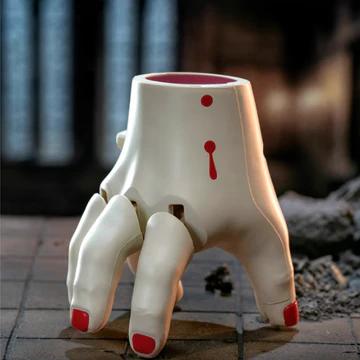
Most blind box figures rely on color, facial expressions, or recognizable costumes. The Stranger Hand figure does none of that. Its appeal is rooted in form and movement.
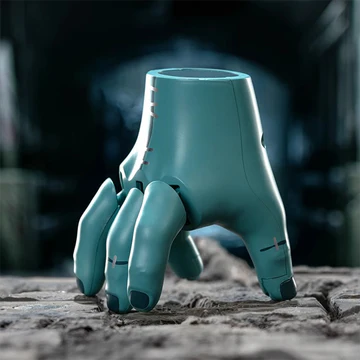
As an articulated designer toy, the hand can be posed in multiple gestures—crawling, pointing, resting, or expressing subtle emotion through finger positioning. For American users, this creates a different kind of engagement. It is not about “owning a character,” but about interacting with an object.
This difference explains why searches often include phrases like “articulated hand figure,” “creepy desk decor,” or “weird collectible.” These users are not necessarily collectors in the traditional sense. Many are looking for something unusual that reflects personal taste, humor, or aesthetic identity.
Free Shipping on 2 Items
ALL Sale on Extra 20% OFF
Emotional Appeal: Cute, Creepy, or Both?
One of the most interesting aspects of the Stranger Hand blind box is how difficult it is to categorize. Is it horror? Comedy? Art?
For U.S. audiences, this ambiguity is a feature, not a flaw. American pop culture has a long tradition of embracing “cute-creepy” objects—items that feel unsettling but charming at the same time. The Stranger Hand fits squarely into this space.
Search behavior reflects this tension. Queries often mix emotional language: “creepy but cute figure,” “weird desk toy,” or “gothic room decor.” Users are not just evaluating quality; they are asking whether the object matches their emotional and aesthetic preferences.
Where and How People Use This Kind of Collectible
Unlike action figures that demand shelves or display cases, the Stranger Hand figure is often imagined in everyday spaces. U.S. users frequently search with context-based intent rather than product-based intent.
Common imagined use cases include:
- Desk decoration in creative or remote work environments
- Shelf accents in themed or gothic rooms
- Conversation-starting décor in shared living spaces
- Photography props for social media or content creation
This explains why many searches include terms like “desk decor,” “room aesthetic,” or “unique home decoration.” The figure functions less as a collectible to complete a set and more as an object that adds personality to a space.
Why the Blind Box Format Works for This Concept
For this specific design, the blind box format is not just a sales mechanism—it is part of the storytelling. Each pose feels like a different mood or personality. The surprise element enhances the sense that the hand is alive in its own way.
American users are already familiar with blind box mechanics through mystery toys and capsule collectibles, but in this case, the randomness aligns especially well with the source material. The lack of certainty reinforces the eerie, playful tone that fans remember from the show.
This is why searches often focus on experience rather than completion, such as “what pose do you get” or “is the blind box experience fun.”
Who Is Actually Searching for This?
Search intent analysis suggests that interest in the Stranger Hand blind box comes from several overlapping audiences.
One group consists of fans of the Wednesday series who want a tangible reminder of the show’s atmosphere rather than a standard character figure.
Another group includes design-forward consumers who enjoy odd, surreal, or unconventional objects, regardless of whether they follow the show closely.
There is also a strong presence of gift-related searches. Phrases like “weird gift ideas,” “goth gift,” or “gift for Wednesday fans” suggest that many users are looking for something unexpected rather than safe or generic.
Importantly, many searchers do not identify as “collectors.” They are browsing for objects that express individuality.
Value Perception and Price Curiosity
When price-related searches appear, they usually reflect caution rather than investment interest. Users ask whether the item feels “worth it” emotionally and aesthetically, not financially.
Based on general U.S. market observation (reference data only), designer blind box toys are often discussed within a moderate collectible price range. These references are illustrative and not guarantees. The perceived value is shaped by design originality, articulation, and how well the object fits into personal space.
Final Thoughts: An Object That Exists Between Categories
The Stranger Hand Articulated Designer Toy Blind Box does not fit neatly into traditional categories like toy, figure, or merchandise. Its appeal lies in its ability to exist between those labels.
For U.S. users, the interest is driven less by fandom completion and more by mood, symbolism, and personal expression. Understanding this helps explain why the object attracts attention across different search intents—from pop culture curiosity to interior décor inspiration.
Rather than asking what the hand represents, many users are simply asking whether it feels like something they want to live with. That question, more than any feature list, defines its appeal.
ALL Sale on Extra 20% OFF
Free Shipping on 2 Items