Mobile Home Overview: Construction, Interiors, and Costs
This article explores Mobile Home living, covering construction, materials, interior design, renovation, pricing, costs, and rental options. It highlights factory-built efficiency, modern layouts, and affordability, helping homeowners, renters, and investors decide if mobile homes meet their long-term housing needs.
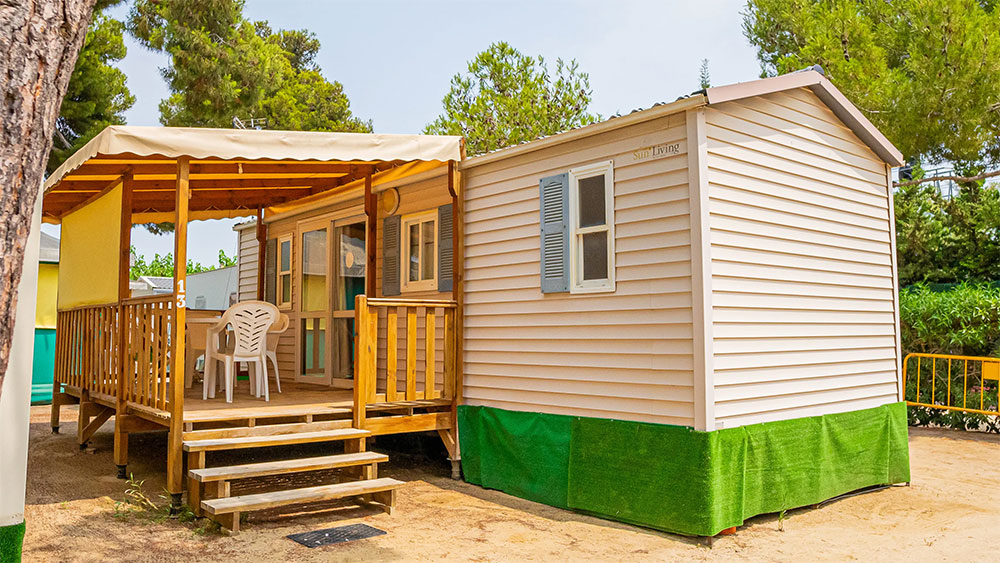
Mobile Home Construction
Factory-Built Homes
Mobile homes are built in controlled factory environments, ensuring quality and efficiency while minimizing material waste. Each home rests on a steel chassis, which supports the structure during transport and installation. Once delivered, homes are installed on piers, blocks, or permanent foundations and connected to utilities.
Construction Standards
Mobile homes follow standardized codes to ensure:
- Structural durability
- Fire resistance
- Proper insulation and ventilation
- Reliable plumbing and electrical systems
These standards make mobile homes safe, comfortable, and long-lasting.
Materials Used in Mobile Homes
Structural Materials
- Steel chassis: Core support for mobility and strength
- Engineered wood framing: Lightweight yet strong
- Reinforced joints and beams: Stability during transport
Exterior Materials
- Vinyl siding: Low maintenance and cost-effective
- Metal siding: Durable and lightweight
- Fiber cement panels: Fire-resistant and aesthetic
- Asphalt or metal roofing for weather protection
- Skirting for insulation and plumbing protection
Interior Materials
- Walls: Drywall or vinyl panels
- Flooring: Laminate, vinyl plank, or engineered wood
- Countertops: Composite or laminated
- Cabinetry: MDF or solid wood
Premium homes may feature quartz countertops, tile flooring, and upgraded trim.
Interior Design
Space Optimization
Mobile homes maximize space with:
- Single-wide homes: Compact and linear
- Double-wide homes: Open-concept layouts
- Multi-section homes: Separate zones for dining, work, and leisure
Vaulted ceilings and large windows enhance spaciousness.
Kitchen Design
Modern kitchens often include:
- Full-size appliances
- Kitchen islands or breakfast bars
- Energy-efficient lighting
- Functional storage
Neutral colors and durable finishes are common.
Bedrooms and Bathrooms
Bedrooms prioritize comfort and storage. Bathrooms may include:
- Walk-in showers or tub combinations
- Water-efficient fixtures
- Modern vanities and lighting
Master bedrooms in larger homes often have private bathrooms.
Renovation and Remodeling
Reasons to Renovate
Renovations improve comfort, increase value, and modernize older homes. Goals include:
- Updating interiors
- Improving energy efficiency
- Expanding living or storage space
- Upgrading kitchens and bathrooms
Common Renovation Projects
- Flooring replacement
- Kitchen and bathroom upgrades
- Window and door replacements
- Insulation and HVAC improvements
- Exterior siding or roof upgrades
Minor updates like paint, lighting, or cabinet refacing can modernize a home affordably.
Renovation Costs
Costs depend on scope, materials, and labor. Minor updates cost a few thousand, while full remodels may be higher. Structural and utility assessments are recommended before major renovations.
Mobile Home Pricing
Average Purchase Prices
- New single-wide: 50,000–80,000
- New double-wide: 90,000–150,000
- Used homes: 20,000–60,000 depending on condition
Excludes land, delivery, and installation.
Additional Costs
- Delivery and transportation
- Site preparation and foundation
- Utility hookups
- Permits and inspections
Ongoing Costs
Utilities and Maintenance
Monthly utilities include electricity, water, heating fuel, and waste. Routine maintenance includes roof, plumbing, HVAC, and exterior care. Energy-efficient models reduce long-term costs.
Insurance and Taxes
Insurance covers structural damage, property, and liability. Taxes depend on land ownership and local regulations.
Rental Options
Renting a Mobile Home
Rental options include:
- Home-only rentals
- Lot rentals in mobile home communities
- Combined home-and-lot agreements
Monthly rent typically ranges 800–1,500.
Mobile Home Communities
Amenities may include clubhouses, laundry, recreation, and security. Rules govern maintenance and occupancy.
Investment Considerations
Mobile homes offer low acquisition costs and steady rental demand. Investors should consider maintenance, community rules, and long-term planning.
Advantages and Limitations
Advantages
- Affordable purchase and rent
- Faster construction
- Flexible placement
- Customizable layouts
- Efficient material use
Limitations
- Land ownership or lot rent needed
- Financing differs from conventional mortgages
- Depreciation of older units
- Zoning restrictions may apply
Future Trends
Mobile homes increasingly feature:
- Energy-efficient systems
- Improved insulation and climate control
- Smart home integration
- Sustainable materials
They remain an affordable, modern long-term housing option.
Conclusion
Mobile Homes provide cost-effective, flexible, and practical housing. With factory-built durability, stylish interiors, renovation potential, and predictable costs, they suit a wide range of users. Understanding construction, materials, pricing, costs, and rental options helps homeowners, renters, and investors evaluate their suitability.