Buying or Renting a Mobile Home: What You Need to Know
This article provides an overview of Mobile Home living, including construction, materials, interior design, renovation, pricing, costs, and rental options. It highlights factory-built efficiency, modern layouts, and affordability, helping homeowners, renters, and investors evaluate if mobile homes suit their long-term housing needs.
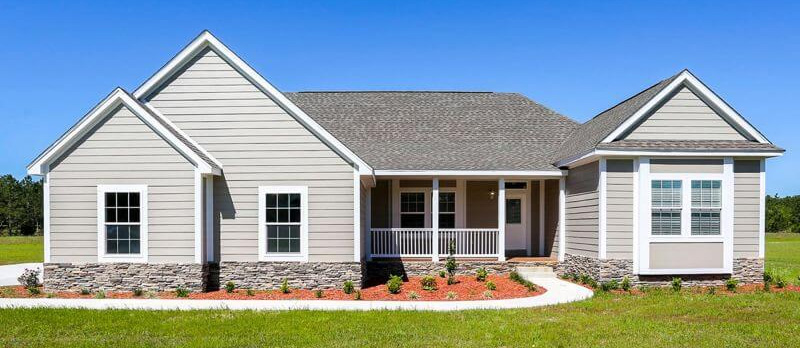
Mobile Home Construction
Factory-Based Manufacturing
Mobile homes are built in controlled factory environments, allowing for consistent quality, reduced construction time, and minimized material waste. Each unit is constructed on a steel chassis that provides structural support and enables transportation.
After completion, the home is delivered to a mobile home park, private land, or leased lot and installed using piers, blocks, or permanent foundations depending on local requirements.
Construction Standards
Mobile homes are manufactured under standardized housing codes that regulate structural strength, fire safety, insulation, and energy efficiency. These standards ensure that mobile homes remain suitable for long-term residential use across varying climates.
Materials Used in Mobile Homes
Structural Materials
The structural system of a mobile home typically includes:
- Steel chassis and support beams
- Engineered wood or treated lumber framing
- Reinforced joints designed for transport stability
These materials are chosen to balance durability, flexibility, and cost efficiency.
Exterior Materials
Exterior finishes are designed to protect the home from weather exposure while remaining low maintenance. Common exterior materials include:
- Vinyl siding
- Metal siding
- Fiber cement panels
- Asphalt or metal roofing
Skirting materials are added to improve insulation and protect plumbing systems beneath the home.
Interior Materials
Interior materials focus on practicality and modern appearance. Common choices include:
- Drywall or vinyl-covered wall panels
- Laminate or vinyl plank flooring
- Composite or laminated countertops
- MDF or solid wood cabinetry
Upgraded models may feature enhanced flooring, stone-style countertops, and refined trim finishes.
Interior Design and Layout
Space Planning
Efficient space utilization is a defining feature of mobile home design. Popular layouts include:
- Single-wide homes with streamlined layouts
- Double-wide homes with open living areas
- Multi-section homes with defined zones for living, dining, and work
Vaulted ceilings, open floor plans, and large windows are commonly used to enhance interior spaciousness.
Kitchen Design
Kitchens in modern mobile homes often serve as central gathering spaces. Typical features include:
- Full-size appliances
- Energy-efficient lighting
- Kitchen islands or breakfast counters
- Functional cabinetry and storage
Neutral colors and durable surfaces are commonly selected for long-term usability.
Bedrooms and Bathrooms
Bedrooms are designed for comfort and efficient storage. Bathrooms may include walk-in showers, tub combinations, water-efficient fixtures, and modern vanities. Larger mobile homes often feature private bathrooms in primary bedrooms.
Mobile Home Renovation and Remodeling
Reasons to Renovate
Renovating a mobile home is a cost-effective way to improve comfort, functionality, and overall value. Common renovation goals include updating outdated interiors, improving energy efficiency, and enhancing resale or rental appeal.
Common Renovation Projects
Popular renovation projects include:
- Flooring replacement
- Kitchen and bathroom upgrades
- Window and door replacement
- Insulation and climate system improvements
- Exterior siding or roofing updates
Cosmetic updates such as paint and lighting can significantly modernize older units.
Renovation Costs
Renovation costs vary depending on project scope and materials. Many improvements can be completed incrementally, making renovations more accessible compared to traditional housing remodels.
Mobile Home Pricing
Average Purchase Prices
Mobile home prices vary based on size, age, and features. Typical market ranges include:
- New single-wide mobile home: approximately fifty thousand to eighty thousand
- New double-wide mobile home: approximately ninety thousand to one hundred fifty thousand
- Used mobile home: approximately twenty thousand to sixty thousand depending on condition
These prices generally exclude land, delivery, and installation costs.
Additional Purchase Expenses
Additional costs may include:
- Transportation and delivery
- Site preparation
- Utility connections
- Permits and inspections
These expenses can range from several thousand to tens of thousands depending on location and setup requirements.
Ongoing Costs and Ownership Expenses
Utilities and Maintenance
Monthly expenses include electricity, water, heating fuel, and waste services. Energy-efficient designs and appliances help reduce ongoing utility costs.
Routine maintenance includes roof inspections, plumbing checks, exterior upkeep, and climate system servicing. Consistent maintenance extends the lifespan of a mobile home.
Insurance and Taxes
Insurance costs vary depending on coverage and home value. Policies typically cover structural damage, personal property, and liability. Tax treatment depends on placement and local regulations.
Mobile Home Rental Options
Renting a Mobile Home
Mobile home rentals offer affordable housing options for individuals and families. Rental arrangements may include renting the home alone or combined home and lot agreements.
Average monthly rental costs typically range from eight hundred to one thousand five hundred depending on size, location, and condition.
Mobile Home Communities
Mobile home communities often provide shared amenities such as community centers, laundry facilities, and recreational areas. Community rules may regulate occupancy, maintenance, and exterior modifications.
Investment Considerations
Mobile home rentals often maintain steady demand due to lower housing costs. Investors should consider maintenance responsibilities, community regulations, and long-term planning.
Advantages and Limitations of Mobile Homes
Advantages
- Lower purchase and rental costs
- Faster construction timelines
- Flexible placement options
- Customizable layouts
- Efficient material use
Limitations
- Land ownership or lot rental requirements
- Financing options may vary
- Depreciation concerns for older units
- Zoning restrictions in some regions
Future Trends in Mobile Home Living
Advancements in energy efficiency, insulation systems, and interior design continue to improve mobile home quality. Smart technology integration and sustainable materials are becoming increasingly common.
As housing affordability remains a global issue, mobile homes are increasingly recognized as a long-term residential solution.
Conclusion
A Mobile Home provides a practical, flexible, and cost-conscious housing option. With factory-based construction, durable materials, modern interior design, renovation potential, and manageable ownership costs, mobile homes serve a wide range of housing needs.
Understanding construction methods, materials, pricing, ongoing expenses, and rental options helps individuals determine whether mobile home living aligns with their long-term goals.