Senior Living Apartments for Comfortable Lifestyles
Senior apartments offer a modern, maintenance-free living option focused on comfort, safety, and independence. This guide explains what senior apartments are, available housing types, key benefits, amenities, cost considerations, and how they compare to traditional housing. Designed to simplify daily life, senior apartments support an active lifestyle while providing security, community connection, and predictable living expenses.
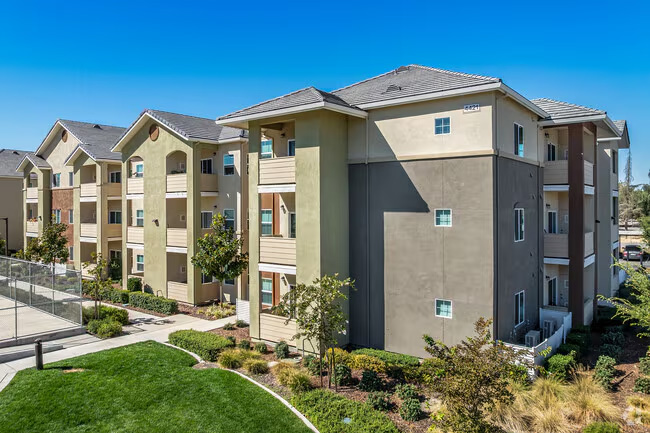
What Are Senior Apartments?
Senior apartments are residential communities designed for adults seeking an easier, more accessible way of living. These apartments emphasize safety, convenience, and functionality while maintaining privacy and independence.
Common design features include:
- Step-free entrances and elevator access
- Non-slip flooring and safety grab bars
- Emergency response or call systems
- Wide hallways and accessible bathrooms
Many communities are conveniently located near hospitals, shopping centers, parks, and restaurants. Apartment layouts typically include one- or two-bedroom options to suit different needs, lifestyles, and budgets.
Why Choose a Senior Apartment?
Independent Living, Made Simple
Residents maintain full control over their daily routines—cooking, decorating, and socializing as they wish—without worrying about maintenance or repair issues.
Safety and Peace of Mind
Senior apartments often feature secure entry systems, emergency call buttons, and on-site staff. These elements provide reassurance while allowing residents to live independently.
Built-In Community
From fitness classes and movie nights to hobby clubs and social gatherings, senior apartment communities encourage interaction and engagement, helping residents stay active and connected.
Predictable, Maintenance-Free Costs
Many senior apartments include utilities such as water, electricity, and trash services in the monthly rent. Without surprise repair bills, budgeting becomes simpler and more predictable.
Types of Senior Apartments
Independent Living Communities
Ideal for active individuals who value autonomy. These communities often include fitness centers, walking paths, libraries, and common spaces for events and activities.
Assisted Living Options
Some senior apartments offer optional support services, such as transportation, meal assistance, or medication reminders, while still preserving independence.
Affordable Senior Housing
Income-based or government-supported programs make senior apartments accessible to a wider range of residents, offering comfort and safety at reduced costs.
Senior Apartments vs. Traditional Housing
Summary: Senior apartments provide convenience, safety, and social opportunities that traditional housing often lacks—while still offering privacy and independence.
Amenities and Lifestyle Benefits
Modern senior apartments are designed to support active and enjoyable living. Common amenities include:
- Fitness and wellness centers
- Walking paths and landscaped gardens
- Shared kitchens or dining areas
- Laundry facilities or in-unit washers
- On-site salons or barber services
- Pet-friendly policies
Many communities also provide scheduled transportation, making it easier to access medical appointments, shopping, and cultural activities without the stress of driving.
How to Find the Right Senior Apartment
1. Search Online
Use trusted housing platforms to filter by location, price range, and amenities.
2. Visit in Person
Touring the community helps you assess cleanliness, layout, and atmosphere. Meeting staff and residents provides valuable insight into daily life.
3. Review Lease Details
Confirm what is included in the rent—utilities, maintenance, internet, or additional services.
4. Talk to Current Residents
Their experiences offer an honest look at community culture and overall satisfaction.
Budgeting and Cost Considerations
The cost of senior apartments varies by location, apartment size, and included services. Typical monthly ranges may include:
- Basic units: $700–$1,200
- Mid-range options: $1,200–$2,000
- Premium communities: $2,500 and above
Tips for Managing Costs
- Explore housing assistance or income-based programs
- Look for move-in incentives or seasonal offers
- Consider shared two-bedroom layouts
- Compare suburban and urban locations
While monthly rent applies, senior apartments often represent long-term value through safety and lifestyle benefits.
Short-Term and Seasonal Living Options
Some senior apartment communities offer short-term or flexible leases. These options are ideal for individuals recovering from medical procedures, seasonal residents, or those who want to experience community living before committing long-term.
Two-Bedroom Senior Apartments
Two-bedroom layouts are popular among couples, friends, or family members who wish to live together while maintaining personal space. Shared living can also help reduce overall costs.
Wellness and Active Living
Senior apartment communities emphasize holistic well-being. Organized fitness programs, creative workshops, volunteer opportunities, and social activities support both physical and emotional health.
Living in an active environment fosters purpose, connection, and daily enjoyment.
Tips for a Smooth Transition
Moving into a senior apartment marks an exciting new chapter. Helpful tips include:
- Downsizing gradually
- Seeking support from family or friends
- Participating in community activities early
- Personalizing your new space with familiar items
A positive mindset helps make the transition smooth and rewarding.
A Complete Living Experience
Senior apartments offer more than housing—they provide a lifestyle focused on comfort, security, and ease. With utilities included, maintenance handled, and a welcoming environment, residents can enjoy each day without unnecessary stress.
Conclusion
Whether you are exploring affordable housing, independent living, or flexible rental options, senior apartments offer a practical and comfortable solution. They combine safety, social engagement, and simplicity—allowing residents to live confidently and independently.
Choosing a senior apartment is not just about changing addresses—it’s about embracing a lifestyle designed for comfort, connection, and peace of mind.