What Is Labubu? Why a Simple Doll Went Viral Globally
Scroll through social media long enough, and you are likely to encounter a peculiar character: oversized eyes, a mischievous grin, and an expression that feels both playful and unsettling. This character is Labubu. For many first-time viewers, the reaction is often the same: “It’s just a doll.” “Why is everyone obsessed with this?” And yet, Labubu has rapidly crossed borders, languages, and platforms, becoming a recognizable presence in global pop culture. It appears in collections, photos, memes, and emotional posts shared by people who feel an unexpected connection to it. So what exactly is Labubu—and why has a character that defies conventional cuteness resonated so deeply around the world?
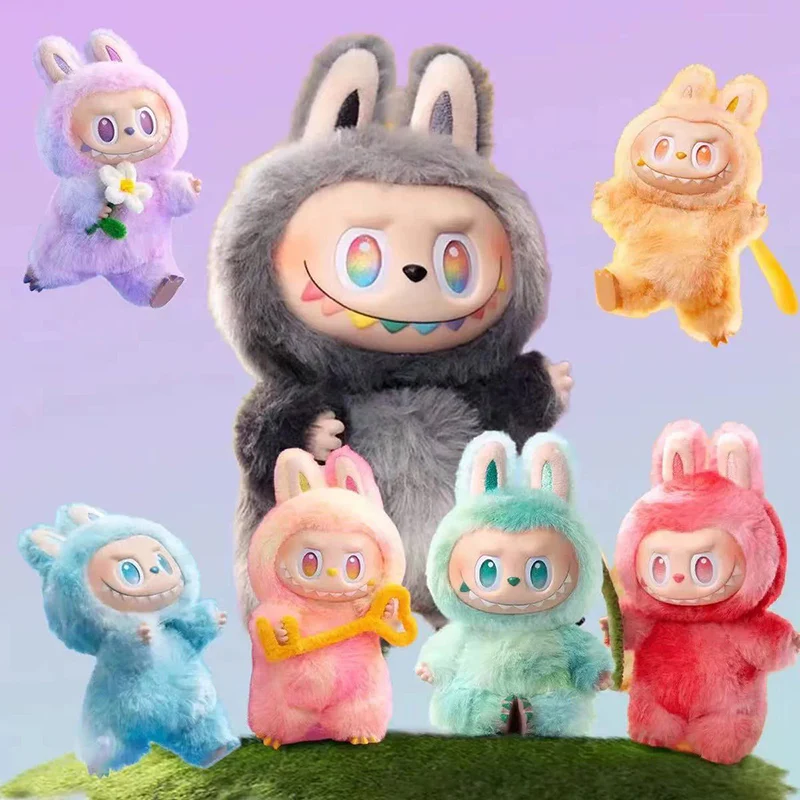
Official authentic products are now on sale!
LABUBU!!!
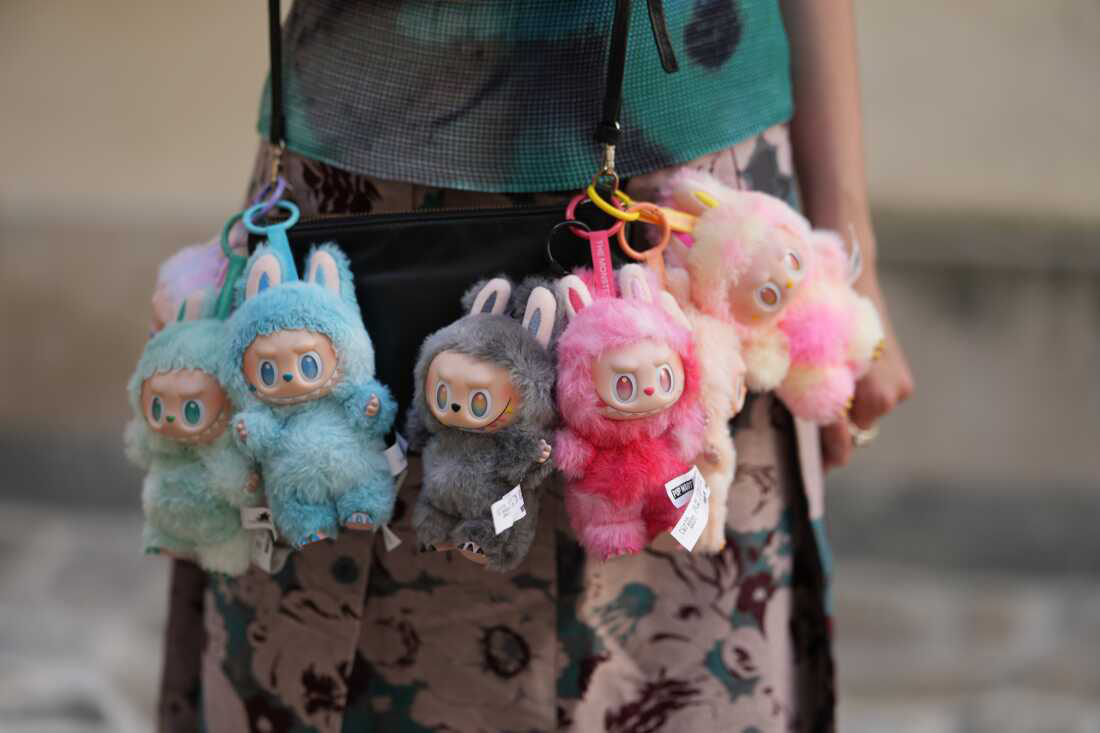
The Origin and Core Concept of Labubu
Labubu is not designed as a traditional mascot or a universally “adorable” character. Instead, it exists in a deliberately ambiguous space.
Neither clearly childish nor fully mature, Labubu embodies emotional contradictions: innocence mixed with defiance, warmth paired with unease. Its facial expressions are not fixed into a single emotion. Depending on the viewer, Labubu can look lonely, cheeky, tired, or quietly resilient.
This openness is intentional. Labubu is not meant to tell a clear story—it is meant to receive one.
Rather than presenting a predefined personality, Labubu functions as a vessel for interpretation. Viewers project their own emotions onto it, making the character feel personal rather than prescriptive.
Why Many People Initially See Labubu as “Just a Doll”
The perception of Labubu as “just a doll” often comes from expectations shaped by mainstream character design.
Traditionally popular characters tend to have:
- Clearly defined personalities
- Easy-to-understand backstories
- Instantly recognizable emotional cues
Labubu offers none of these upfront. There is no obvious narrative, no explicit explanation of who it is or how it should be perceived. As a result, casual observers may dismiss it at first glance.
However, in an era dominated by short-form content and emotional signaling, this lack of explanation becomes a strength. Labubu does not demand understanding—it invites curiosity.
Three Key Reasons Behind Labubu’s Global Popularity
1. A Design That Stays in Your Memory
Labubu’s appearance is intentionally imperfect. The proportions feel slightly off. The smile is ambiguous. The character does not aim to be comforting in a traditional sense.
Psychologically, humans are more likely to remember things that feel unexpected or unresolved. Labubu creates visual tension, and that tension makes it hard to forget. In a landscape crowded with polished, predictable designs, Labubu stands out simply by refusing to conform.
2. Emotional Ambiguity That Reflects Modern Feelings
One of Labubu’s strongest appeals lies in its emotional neutrality.
It is not clearly happy, sad, angry, or cheerful. Instead, it exists somewhere in between—much like how many people feel in real life. In a world where emotions are often complex and difficult to articulate, Labubu becomes a silent stand-in.
For many, Labubu expresses feelings they cannot easily put into words. This emotional resonance turns the character into more than an object—it becomes a form of emotional representation.
3. Organic Spread Through Social Sharing
Labubu did not rely on traditional advertising to gain visibility. Its rise was largely driven by individuals sharing it as a personal symbol.
Posts featuring Labubu are often accompanied by captions such as:
- “This feels like me today.”
- “I don’t know why this character speaks to me.”
- “Somehow, this makes sense.”
These emotionally driven posts encourage engagement and sharing, allowing Labubu to spread organically across platforms. The character thrives in an environment where meaning is co-created by communities rather than dictated by brands.
Why “Unconventional Cuteness” Resonates Globally
The appeal of Labubu is not tied to a single culture or region. Instead, it reflects a broader global shift in aesthetics and emotional expression.
Across different societies, younger generations are increasingly drawn to characters that feel:
- Honest rather than perfect
- Vulnerable rather than heroic
- Relatable rather than idealized
Labubu aligns with this shift. Its charm lies in its refusal to perform happiness or perfection. It feels human—not because it looks human, but because it mirrors emotional complexity.
This universality allows Labubu to transcend cultural boundaries. The emotions it represents are not specific to any one place; they are widely shared experiences in a fast-paced, uncertain world.
Labubu Is Not “Just a Doll”
At its core, Labubu is not merely a collectible or decorative object.
It functions as:
- An emotional mirror
- A symbol of imperfection
- A quiet form of self-expression
Its popularity is not driven by trend cycles alone, but by its ability to connect with how people feel rather than how they want to appear.
Labubu’s global success suggests something larger: modern audiences are no longer searching only for characters that entertain them. They are looking for characters that understand them.
And that is why Labubu is far more than just a doll.
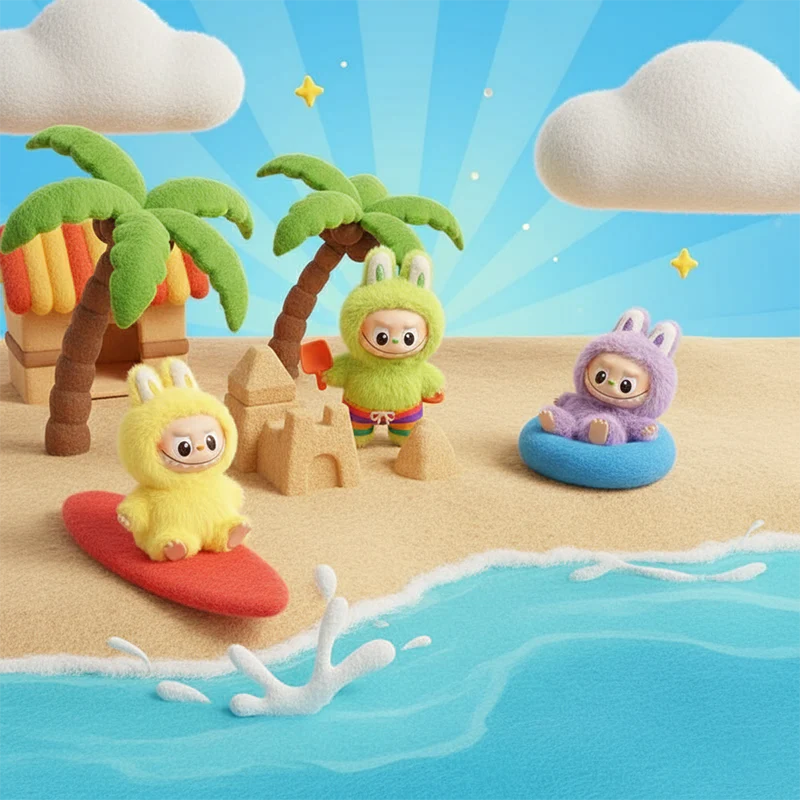
Official authentic products are now on sale!
LABUBU!!!