Why Labubu Captivates the World Beyond Cuteness
At first glance, Labubu may appear to be just another cute character in the ever-expanding universe of designer toys. Small body, oversized eyes, playful proportions—it seems to follow familiar visual rules. Yet its global popularity suggests something far deeper is at work. Across regions, cultures, and age groups, Labubu resonates in ways that go beyond surface-level cuteness. The growing fascination with Labubu is not merely about trends in collectibles or art toys. It reflects a broader shift in how people relate to characters, emotions, and even themselves. In an era marked by uncertainty, emotional fatigue, and identity complexity, Labubu embodies a form of expression that feels unusually honest. This article explores Labubu from a global perspective: how evolving ideas of “cute,” emotional projection, and contemporary aesthetics converge to make Labubu a symbol of modern emotional culture rather than just a character.
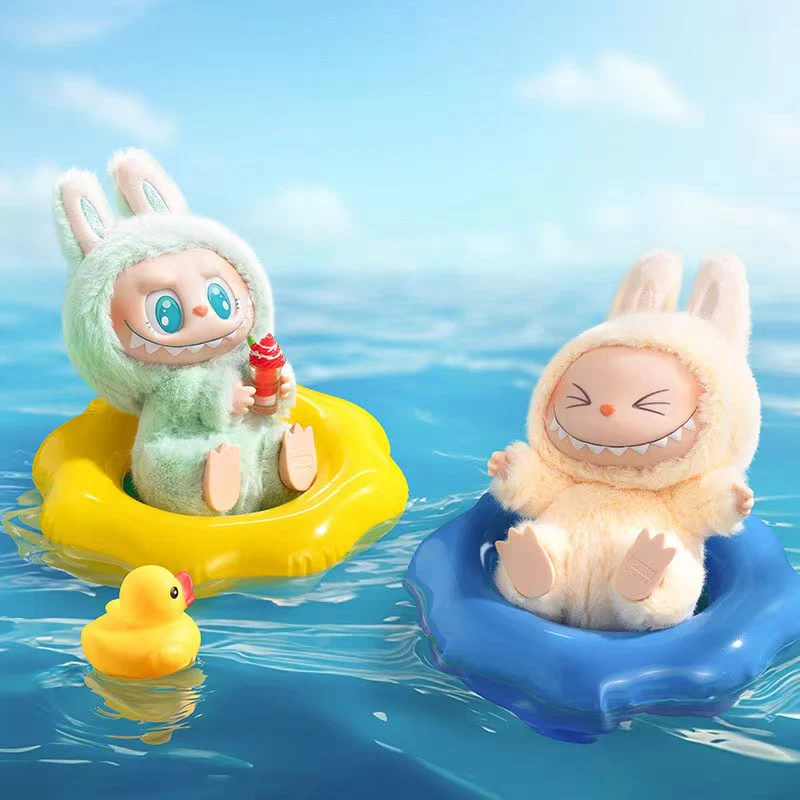
Official authentic products are now on sale!
LABUBU!!!
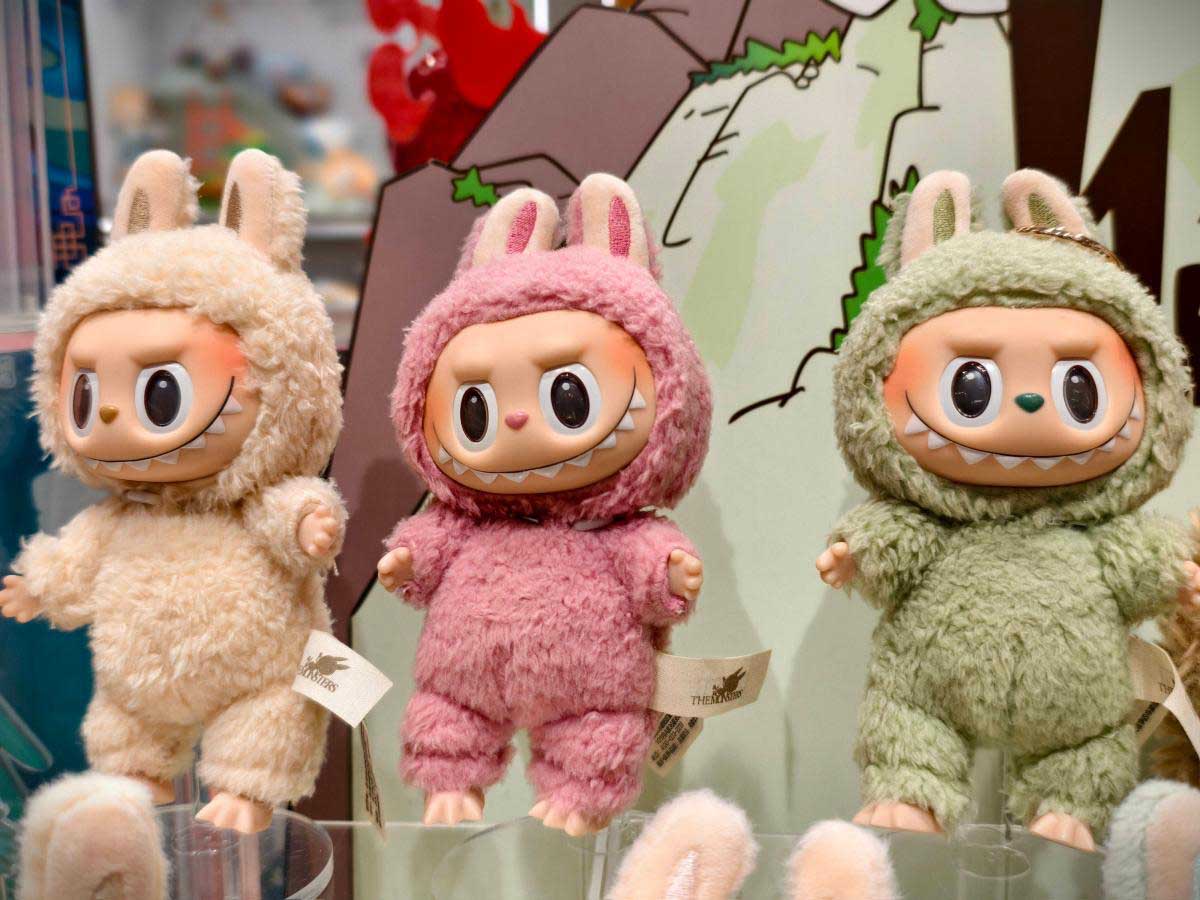
The Global Evolution of “Cute” as a Cultural Language
Historically, “cute” has functioned as a universal visual language. Soft shapes, rounded features, and harmless expressions have long been associated with comfort, safety, and approachability. These traits made cute characters easy to love and easy to consume across borders.
However, as societies worldwide have become more complex and emotionally demanding, the meaning of cute has evolved. Perfect sweetness and constant positivity now feel increasingly disconnected from lived reality. Many people no longer seek idealized happiness in characters; instead, they gravitate toward representations that acknowledge vulnerability, imbalance, and emotional contradiction.
Globally, cute has shifted from being something that reassures to something that relates. Imperfection is no longer a flaw—it is a point of connection.
Labubu exists precisely within this transition.
How Labubu Differs from Traditional Cute Characters
What sets Labubu apart is not a rejection of cuteness, but a reinterpretation of it. Unlike traditional characters designed to remain emotionally neutral or eternally cheerful, Labubu displays ambiguity.
Rather than presenting an image of who people want to be, Labubu reflects how many people actually feel. It carries traces of anxiety, loneliness, curiosity, and quiet defiance—emotions that are globally familiar in modern life.
This shift explains why Labubu resonates across cultures despite differing backgrounds. Emotional authenticity has become a shared human language.
The Rise of Dark Cute and Fragile Aesthetics
A key concept behind Labubu’s appeal is often described as “dark cute” or fragile aesthetics. This does not mean horror or negativity, but rather the coexistence of softness and discomfort.
Visually, Labubu balances charm with unease. Its expressions may feel slightly off, its posture uncertain, its gaze ambiguous. This ambiguity invites interpretation rather than dictating emotion.
Around the world, similar aesthetics are appearing in art, fashion, illustration, and digital culture. They reflect a generation that no longer believes emotions must be simplified into happy or sad. Complexity itself has become beautiful.
Labubu captures this sensibility in a form that is tangible, collectible, and emotionally symbolic.
Emotional Projection and a New Definition of Healing
Labubu is often described as “comforting,” but not in the traditional sense. It does not promise happiness or reassurance. Instead, it offers recognition.
Many people today feel pressure to appear functional, optimistic, and composed. Negative emotions are often hidden, minimized, or internalized. Labubu, by contrast, seems to exist comfortably with emotional tension.
This allows viewers to project their own feelings onto it. Rather than being told how to feel, they are allowed to feel as they are.
In this way, Labubu represents a new form of emotional healing—one based on acceptance rather than correction.
Why Labubu Resonates Across Cultures
Despite cultural differences, several psychological factors behind Labubu’s global appeal remain consistent.
First, there is a growing desire for emotional honesty. Characters that appear too perfect feel distant, while those that seem fragile feel approachable.
Second, Labubu offers interpretive freedom. It does not impose a fixed story or moral, allowing individuals to create personal meaning.
Finally, owning or appreciating Labubu becomes a form of self-expression. It signals sensitivity, introspection, and a willingness to embrace emotional complexity.
These factors are not tied to a specific country or market. They reflect shared experiences of modern life.
Conclusion: Labubu as a Symbol of Contemporary Emotional Culture
Labubu is not simply part of the cute character tradition—it represents its next stage.
In a world where emotional experiences are increasingly layered and uncertain, people are drawn to representations that acknowledge fragility without judgment. Labubu does not ask its audience to be happier, stronger, or more optimistic. It simply exists, imperfectly and sincerely.
That quiet sincerity may be the true reason why Labubu continues to captivate people around the globe.
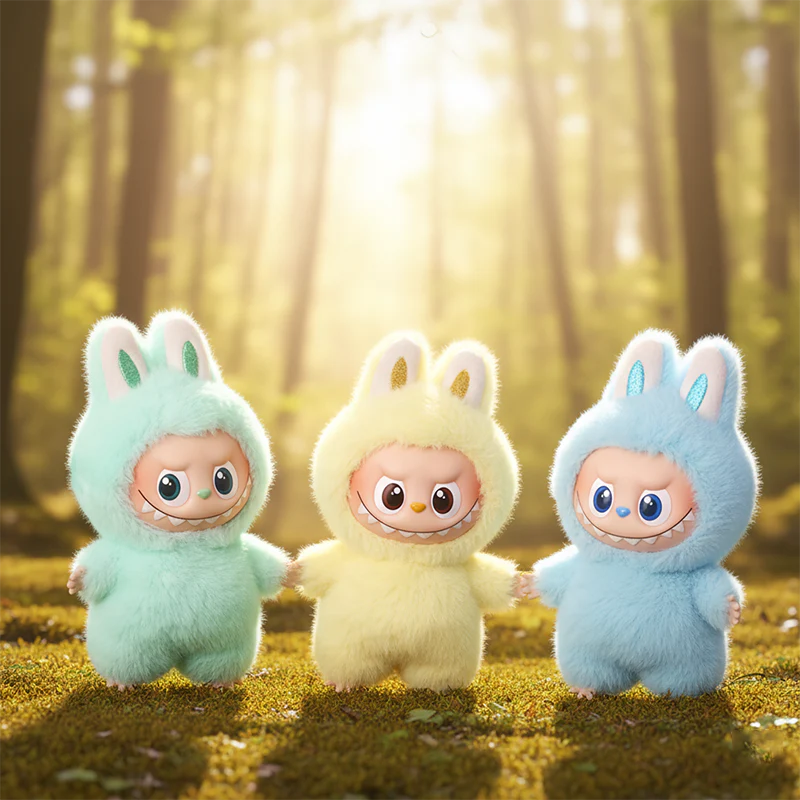
Official authentic products are now on sale!
LABUBU!!!