Labubu on the Desk: How Adult Plush Culture Is Becoming a Global Lifestyle Trend
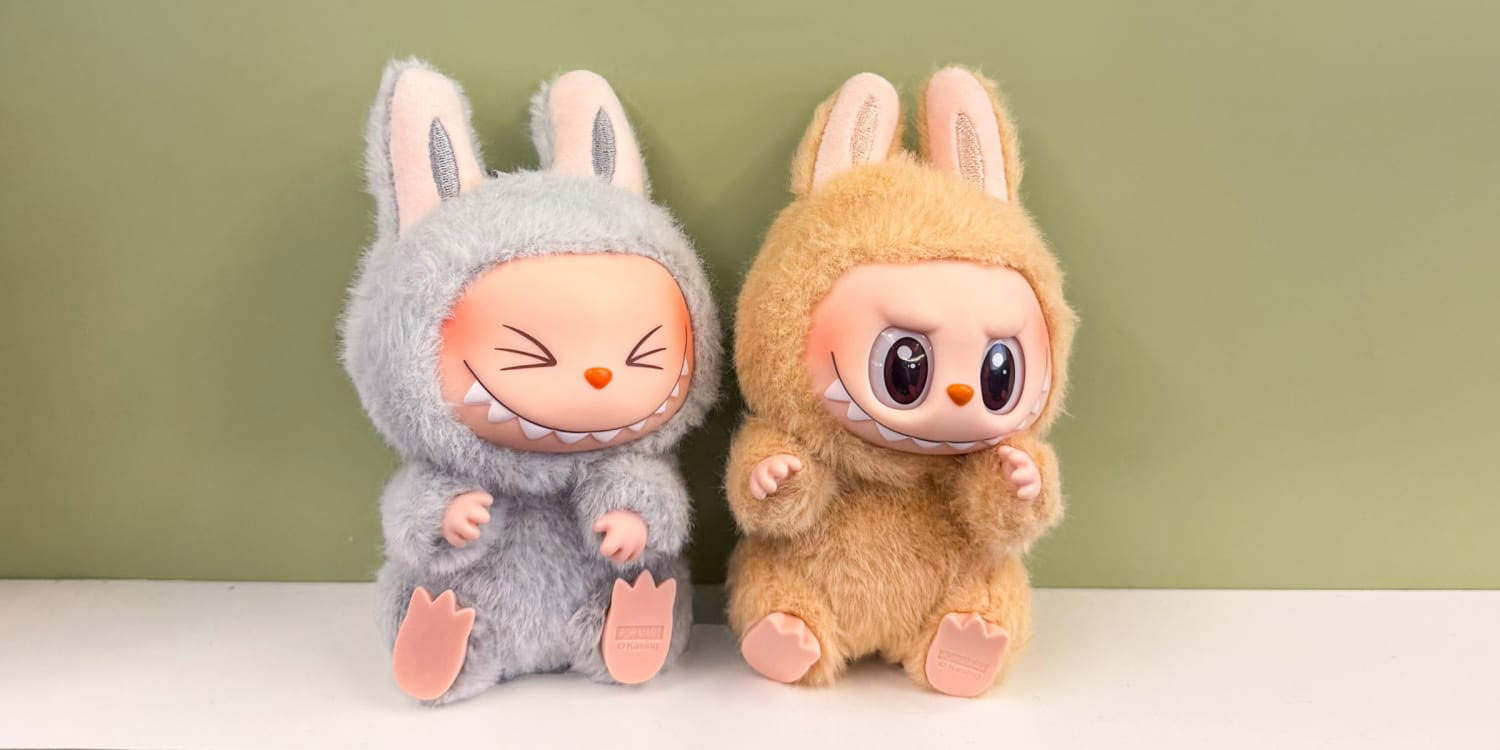
Across offices, home workspaces, and creative studios around the world, desks are quietly changing. What were once strictly functional surfaces—occupied by laptops, notebooks, and coffee cups—are increasingly shared with small plush toys, character figures, and emotionally meaningful objects. Among these, Labubu has become a recognizable symbol of a broader cultural shift: the rise of adult plush culture. Once associated almost exclusively with childhood, plush toys are now finding a place in adult environments, particularly in the United States and other developed markets where work stress, digital fatigue, and emotional burnout are becoming everyday concerns. Placing a plush figure like Labubu on a desk is no longer seen as immature or ironic. Instead, it reflects changing attitudes toward mental well-being, self-expression, and how adults shape their personal spaces. This trend is closely connected to larger movements: the normalization of emotional self-care, the blending of work
.webp)
Official authentic products are now on sale!
LABUBU!!!
The Global Shift Toward Desk Personalization
In many Western workplaces, desks were traditionally expected to remain neutral and professional. Personal items were allowed, but emotional expression through workspace design was often subtle or discouraged. That expectation has changed significantly over the past decade.
Remote work, hybrid schedules, and freelance careers have transformed desks into deeply personal environments. For millions of people, the desk is no longer just a place to work—it is where they spend most of their waking hours. As a result, desk personalization has become a way to reclaim comfort and emotional balance.
Alongside plants, candles, and decorative stationery, plush figures like Labubu are appearing more frequently. These objects introduce softness into environments dominated by screens and deadlines. A brief glance at a familiar, comforting figure can provide a moment of relief, helping people reset emotionally during the day.
This trend reflects a growing recognition that productivity and emotional well-being are not opposing goals, but interconnected ones.
Why Labubu Appeals to Adult Audiences
Among many character-based plush toys, Labubu resonates strongly with adults because of its design language. It avoids exaggerated cuteness and instead presents a nuanced personality—slightly playful, slightly unconventional, and emotionally expressive.
This design makes Labubu adaptable to adult spaces. It fits comfortably on minimalist desks, creative workstations, or home offices without feeling out of place. Rather than functioning as a toy, it becomes a quiet companion—present, but not distracting.
In Western markets, where adults often feel pressure to justify emotional choices, Labubu offers something subtle: emotional presence without explanation. It doesn’t demand attention or signal nostalgia alone; it represents individuality and emotional awareness.
Plush Companions as Lifestyle Objects
Keeping Labubu on a desk is less about collecting and more about integration into daily life. Many adults describe their plush companions as emotional anchors—objects that mark the beginning and end of the workday, or provide reassurance during moments of stress.
In an era defined by constant notifications and digital overload, physical objects with emotional meaning help ground attention. Plush companions serve as tactile reminders of softness and humanity within highly digital environments.
This reflects a broader lifestyle shift: adults are increasingly prioritizing emotional continuity over strict functionalism. Plush toys are becoming part of daily routines, not hidden away as childhood artifacts.
Healing-Oriented Consumption in Modern Markets
Consumer behavior in the U.S. and globally is increasingly shaped by what analysts often describe as emotion-driven or healing-oriented consumption. This trend emphasizes emotional comfort, stress relief, and personal meaning rather than durability or resale value.
Labubu fits naturally into this pattern. Its value lies not in utility, but in emotional return. For professionals navigating high-pressure environments, economic uncertainty, and social fragmentation, small comforting objects offer accessible emotional support.
This does not represent escapism. Instead, it reflects a cultural rebalancing—acknowledging that emotional health is a legitimate reason to consume, decorate, and curate one’s surroundings.
Common Usage Scenarios Among Female Users
Adult plush culture is especially visible among female users, particularly those working in creative, digital, or hybrid roles. Common scenarios include:
Across these scenarios, the emphasis is not on display for status, but on creating spaces that feel emotionally supportive and authentic.
Social Media and Shared Emotional Identity
Platforms like Instagram, TikTok, and Pinterest have amplified the visibility of desk aesthetics featuring plush companions. However, these posts are rarely about showing ownership or rarity.
Instead, they function as signals of shared emotional values—softness, self-care, vulnerability, and intentional living. Viewers who respond positively often see their own feelings reflected rather than feeling excluded or impressed.
In this context, Labubu becomes a symbol of emotional openness and self-acceptance. It helps users communicate who they are without words.
What Adult Plush Culture Represents Today
The image of a plush figure sitting calmly on a desk reflects a deeper transformation in adult life globally. Success is no longer measured solely by efficiency or output. Emotional resilience, mental health, and self-compassion are becoming equally important markers of a meaningful life.
Plush companions like Labubu are not about returning to childhood. They are about redefining adulthood—allowing space for comfort, emotional expression, and softness within demanding environments.
As adult plush culture continues to grow, it signals a future where personal spaces are designed not just for productivity, but for emotional sustainability.
Official authentic products are now on sale!
LABUBU!!