Honestly Speaking, Is LABUBU Just a Doll?
“Isn’t LABUBU just a doll?” This is often the first reaction people have when they encounter LABUBU for the first time. It doesn’t offer practical functionality, it doesn’t make life more efficient, and it doesn’t solve everyday problems. Yet despite this, LABUBU has steadily captured attention across social media, collectible communities, and personal spaces, becoming something far more than a simple decorative object. Many people who search phrases like “Is LABUBU just a doll?” or “Why is LABUBU so popular?” are not trying to criticize it. Instead, they are looking for an explanation for a feeling they can’t quite put into words. There is a sense of attraction that feels irrational, subtle, and emotional—and that curiosity drives people to seek answers. This article begins with that simple question and explores it from multiple angles: real user experiences, the concept of emotional value, and why LABUBU’s appeal is not a temporary trend. By the end, you may find that your own feel
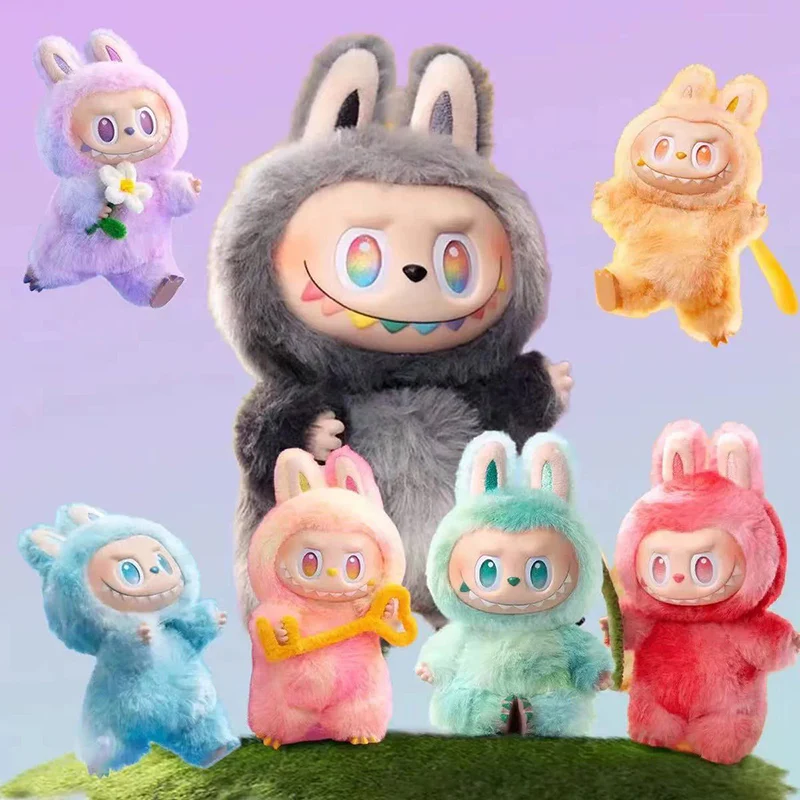
Official authentic products are now on sale!
LABUBU!
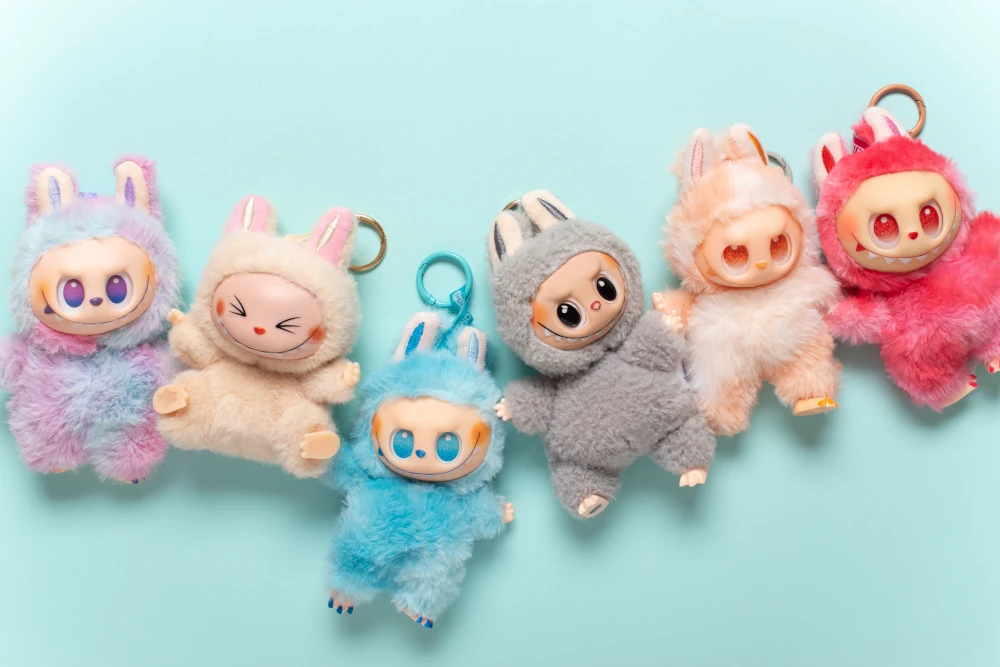
Where the “Just a Doll” Question Comes From
At first glance, LABUBU appears difficult to categorize. It isn’t a tool, a gadget, or an accessory with a clear purpose. In a world where value is often measured by usefulness, efficiency, or performance, LABUBU seems to resist explanation.
This sense of discomfort doesn’t come from LABUBU itself, but from the way modern consumers are used to evaluating objects. We are trained to ask, “What does this do for me?” When an object doesn’t provide a straightforward answer, it feels confusing or even unnecessary.
That is why the phrase “just a doll” appears so often. It reflects not rejection, but uncertainty. And within that uncertainty lies the key to understanding LABUBU’s true appeal.
How LABUBU Feels to the People Who Own It
When listening to people who already own LABUBU, a clear pattern emerges. Many of them struggle to explain their attachment logically, yet feel strongly connected to it emotionally.
Common sentiments include: Having LABUBU in the room creates a sense of calm. Catching a glimpse of it during a stressful moment feels oddly comforting. It doesn’t do anything, yet its presence feels meaningful.
These reactions are not about function or utility. LABUBU is not something people “use.” Instead, it is something they experience. This distinction is crucial in understanding why LABUBU resonates so deeply with its audience.
Why Emotional Value Matters More Than Practical Value
LABUBU represents a broader shift in consumer behavior: the growing importance of emotional value over practical value. Emotional value refers to how something makes us feel, rather than what it does.
Modern life places constant pressure on people to perform, improve, and produce results. In response, many individuals seek objects and experiences that ask nothing of them. LABUBU fits perfectly into this space. It doesn’t demand attention, effort, or achievement. Simply seeing it is enough.
This lack of expectation is exactly what makes LABUBU comforting. It exists without purpose, and in doing so, allows its owner to momentarily escape the need to be purposeful as well.
How LABUBU Becomes a Vessel for Emotion
One of LABUBU’s most distinctive qualities is the emotional “space” it provides. Its expression is subtle, and its character is not defined by a rigid backstory. This openness allows people to project their own emotions onto it.
When someone is tired, LABUBU can feel like a quiet companion. When someone is happy, it can feel like a silent witness to that joy. Because it does not impose a fixed meaning, it adapts to the emotional state of the person observing it.
Additionally, when LABUBU is shared through photos or social platforms, private feelings become shared experiences. This transforms personal emotion into collective resonance, strengthening the bond people feel toward it.
Why LABUBU’s Popularity Is Not a Passing Trend
LABUBU’s continued popularity cannot be explained by trends alone. It reflects a deeper shift in how people relate to objects in an increasingly fast-paced, efficiency-driven society.
As life becomes more demanding, people are drawn to things that offer unconditional presence. LABUBU does not require productivity, improvement, or justification. It simply exists—and allows its owner to do the same.
Another reason for its longevity is its cross-generational appeal. Younger audiences may see LABUBU as a form of self-expression, while older individuals may experience it as a way to emotionally reset. The meaning changes, but the connection remains.
Conclusion: Is LABUBU Really “Just a Doll”?
From a physical standpoint, LABUBU is undeniably a doll. But emotionally and psychologically, it occupies a far more complex space.
LABUBU functions as a mirror for modern emotions—a quiet anchor in a world that constantly demands attention and output. The fact that many people cannot easily explain their attachment to it is not a weakness, but evidence of its value.
If you find yourself drawn to LABUBU without fully understanding why, you are not alone. That feeling reflects a shared emotional need of our time—and LABUBU simply happens to give it a gentle, tangible form.
Official authentic products are now on sale!
LABUBU!!